
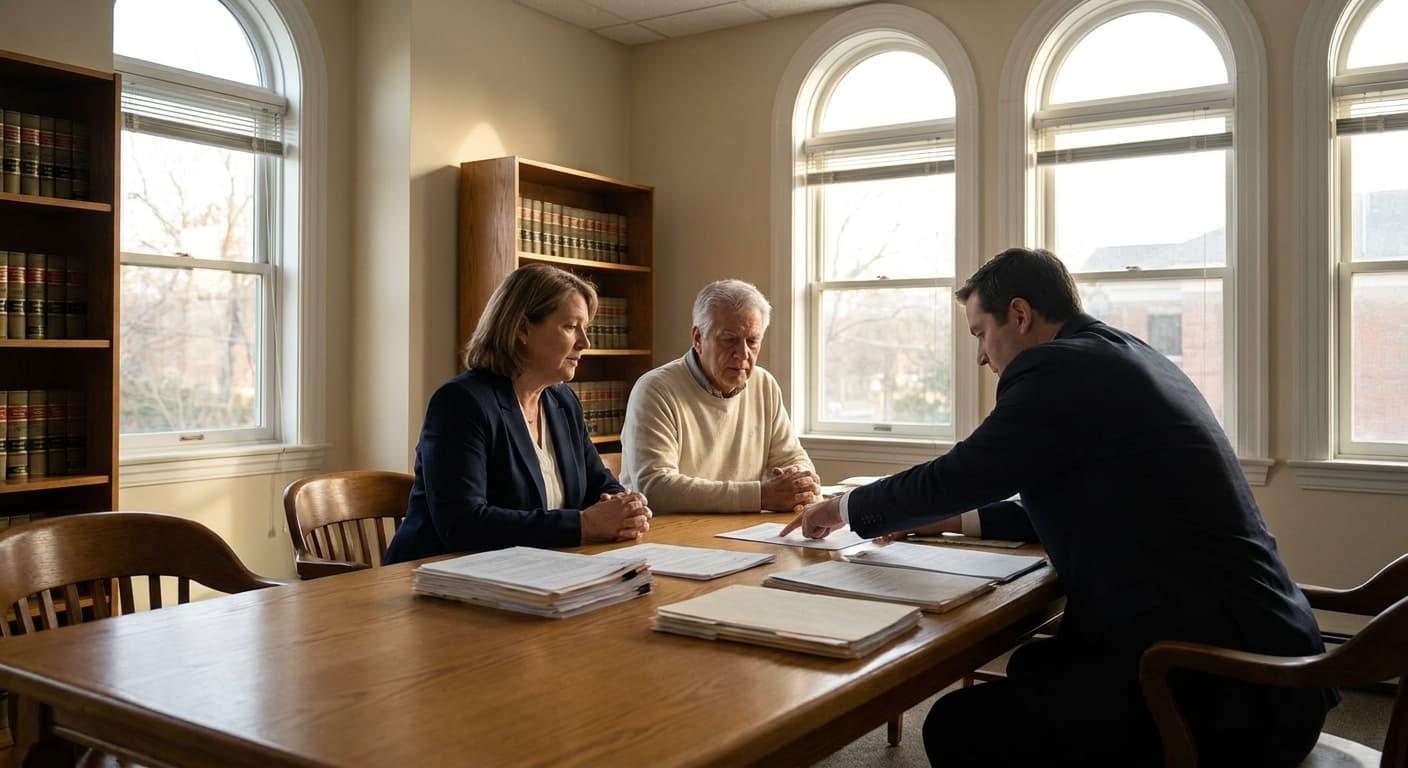
Elder Law in Rochester: Laws, Rights and Legal Options
As people get older, legal questions can become part of everyday family decisions. It might start with something simple, such as helping a parent manage finances, and later involve long-term care, Medicaid, estate planning, or concerns about treatment in a nursing home. Elder Law in Rochester covers many of these situations and is generally focused on protecting an older person’s rights, assets, care, and ability to make important decisions.
For families in Rochester, understanding these issues early can make difficult situations easier to handle. New York has programs that can help eligible older adults receive long-term care at home or in community settings, while state law also provides protections for people receiving long-term care and for nursing home residents.
What Does Elder Law Cover?
Elder law is not limited to one type of legal case. It can involve several areas that often overlap.
An elder law attorney may help with:
- Medicaid and long-term care planning
- Nursing home and assisted-living issues
- Estate planning
- Powers of attorney
- Health care directives
- Guardianship matters
- Elder abuse and financial exploitation
- Social Security or public-benefit issues
- Asset and property concerns
- Disputes involving long-term care services
The right legal approach depends heavily on the person’s circumstances. A family trying to plan for future nursing home care may have very different concerns from someone dealing with suspected financial exploitation.
Medicaid and Long-Term Care Planning
One of the biggest concerns for Rochester families is how an older parent or spouse will pay for long-term care.
New York Medicaid can help eligible individuals pay for certain health and long-term care services. Depending on eligibility and circumstances, services may include home care, personal care, adult day care, nursing services, therapy, transportation, and other support.
New York also has Managed Long Term Care programs that coordinate services for eligible people who need ongoing support while remaining in their homes and communities.
Because Medicaid eligibility involves financial and medical requirements, families should avoid making major transfers or financial decisions simply because someone suggested that they are a quick way to qualify. An attorney can review the person’s circumstances and explain what planning options may be available.
Estate Planning for Older Adults
Estate planning is another important part of elder law.
A basic plan may involve a will, power of attorney, health care proxy, and other documents depending on the person’s needs. These documents can help establish who should make financial or medical decisions if the individual later becomes unable to make those decisions independently.
The conversation is not only about what happens after death. A power of attorney, for example, can be important while a person is still alive but needs assistance managing financial or legal matters.
It is worth reviewing estate-planning documents periodically, particularly after major changes such as marriage, divorce, death in the family, a significant change in assets, or a change in who the person trusts to help them.
Nursing Home and Assisted-Living Rights
Moving into a nursing home or another long-term care setting does not mean giving up basic rights.
New York’s Attorney General explains that nursing home residents have rights involving dignity, quality care, privacy, personal decisions, property and money, and safeguards concerning admission, transfer, and discharge. Residents also have the right to use complaint procedures without fear of retaliation.
That matters when something does not feel right.
A family member may notice unexplained injuries, changes in behavior, missing belongings, unusual financial transactions, poor care, or problems with medication. These situations can require quick attention, especially when the older person may be unable to advocate for themselves.
New York also maintains a nursing home abuse hotline through the Department of Health.
Elder Abuse and Financial Exploitation
Elder abuse does not always leave an obvious physical mark.
Financial exploitation can happen when someone improperly uses an older person’s money, bank account, property, or other assets. Emotional abuse, neglect, and improper treatment can also create serious legal concerns.
If a Rochester family suspects abuse or exploitation, documenting what happened can be important. Keep records of unusual transactions, communications, injuries, care concerns, and other relevant information.
The New York Attorney General’s Medicaid Fraud Control Unit investigates abuse and neglect in residential health-care facilities, including nursing homes and adult homes, as well as certain financial misconduct involving residents.
Guardianship and Decision-Making
Sometimes an older adult can no longer safely manage certain personal or financial decisions. Families may then ask whether guardianship is necessary.
Guardianship is a serious legal step because it can affect a person’s ability to make decisions for themselves. It should not automatically be the first solution simply because a family member is aging or needs assistance.
Depending on the circumstances, existing powers of attorney or other less restrictive arrangements may provide an alternative. An elder law attorney can explain the available options and the legal process involved.
Planning for Care at Home
Not every older adult who needs assistance has to move into a nursing home.
New York provides several programs designed to support people who want to remain at home or in their communities. Depending on eligibility, services may include home health care, personal care, adult day care, therapy, and other long-term supports.
For example, the Nursing Home Transition and Diversion Medicaid Waiver Program can provide community-based support to eligible individuals who meet program requirements and can live safely in the community with available services.
This is one reason it can be helpful to discuss care planning before a crisis occurs.
When Should You Talk to an Elder Law Attorney?
You do not necessarily need to wait until there is a lawsuit or emergency.
A Rochester family may consider speaking with an elder law attorney when:
- A parent is beginning to need long-term care
- Medicaid eligibility is becoming a concern
- Estate-planning documents are outdated
- Someone needs help managing finances
- A family is considering guardianship
- There are questions about nursing home admission or discharge
- An older adult may be experiencing abuse or financial exploitation
- A family is trying to understand available care options
Getting legal advice early can give a family time to understand its options instead of making major decisions under pressure.
4 FAQs About Elder Law in Rochester
1. What does an elder law attorney do in Rochester?
An elder law attorney may assist with issues such as Medicaid planning, long-term care, estate planning, powers of attorney, guardianship, nursing home matters, and elder abuse or financial exploitation.
2. Can Medicaid help pay for long-term care in New York?
Eligible individuals may receive Medicaid-funded services depending on their medical, financial, and program eligibility. New York offers both community-based and long-term care programs.
3. What rights do nursing home residents have in New York?
Nursing home residents have rights involving dignity, privacy, quality care, personal decisions, property, money, admission, transfer, discharge, and complaint procedures.
4. What should I do if I suspect an older person is being abused?
If someone is in immediate danger, contact emergency services. For suspected abuse or neglect in a New York nursing home or other covered residential facility, state reporting and investigation resources are available, including the New York Department of Health and Attorney General’s Medicaid Fraud Control Unit.
Final Thoughts
Elder law is really about more than paperwork. For Rochester families, it can involve questions about where an older loved one will live, who can make decisions, how care will be paid for, and how the person’s money, property, dignity, and choices can be protected.
Because every family’s financial and care situation is different, legal planning should be based on the individual’s circumstances rather than a one-size-fits-all strategy. Speaking with a qualified elder law attorney before a major crisis can help families understand their rights and available options.
