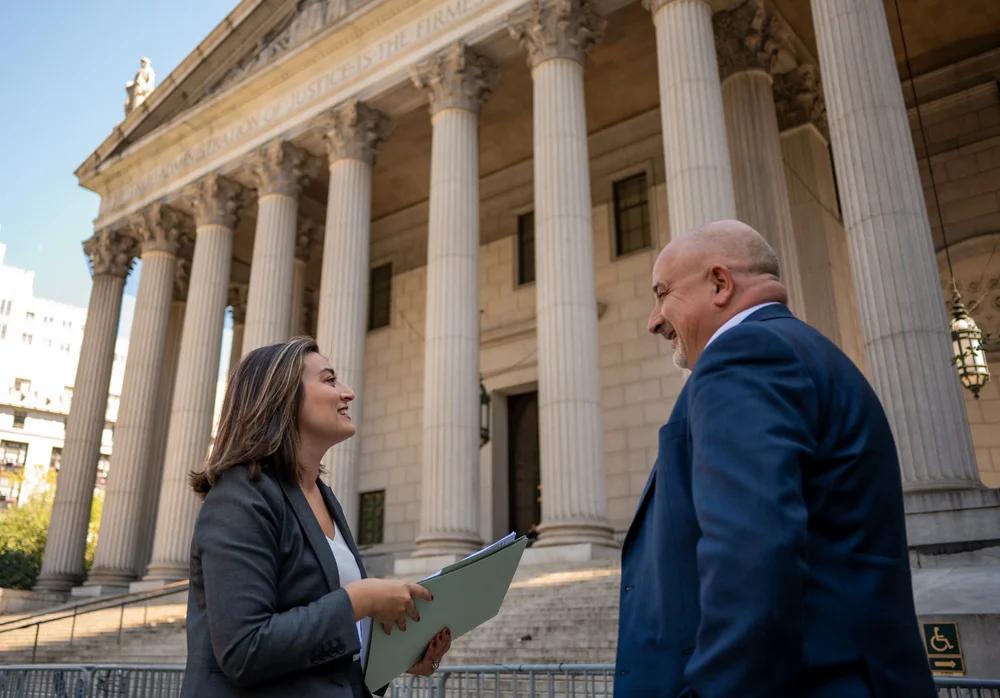
How Do I Find the Right Lawyer in New York? Everything You Need to Know
Finding a lawyer can seem easy until you actually need one. You search online, see dozens of law firms, read reviews, and somehow end up with even more questions than you started with. Which lawyer actually handles cases like yours? Is a big law firm better? Should you choose someone nearby? And what should you ask before agreeing to work with them?
The right lawyer isn’t necessarily the one with the biggest advertisement or the longest list of awards. In New York, finding the right attorney usually comes down to something much more practical: whether they have experience with your type of legal problem, explain things clearly, and are someone you feel comfortable trusting with your case.
Start With the Type of Legal Problem You Have
This sounds obvious, but it is one of the easiest things to overlook. You don’t want to simply search for “best lawyer in New York.” You want someone who regularly handles the type of matter you’re dealing with.
A personal injury lawyer may be very experienced with car accidents but not the right person for a divorce. A criminal defense attorney may know criminal procedure inside and out but have little experience with a complicated business dispute.
Start by identifying what kind of legal help you actually need.
It could be:
Car accident or personal injury
Divorce or family law
Criminal defense
Employment issues
Real estate
Business disputes
Estate planning
Immigration
Landlord and tenant matters
Medical malpractice
Workers’ compensation
Once you know the area of law, your search becomes much more focused.
Look for Experience With Cases Like Yours
A lawyer may have practiced for twenty years, but that doesn’t automatically mean they’re the best fit for your particular situation. What matters is relevant experience. Ask how often they handle cases similar to yours. If you’ve been injured in a serious car accident, for example, you may want an attorney who regularly handles injury claims rather than someone who mostly prepares wills.
You can ask simple questions during the consultation:
“How many cases like mine have you handled?”
“What usually happens in cases like this?”
“What problems do you see with my situation?”
The answers can tell you quite a bit.
You’re not looking for someone who promises that you’ll definitely win. In fact, be cautious of anyone making guarantees before they have properly reviewed the facts.
Check That the Lawyer Is Authorized to Practice in New York
Before hiring someone, make sure you’re actually dealing with a New York attorney who is authorized to practice.
The New York State Unified Court System provides a public attorney search where you can look up attorneys by name. The court system also provides information about attorney registration and professional requirements. This is a small step, but it can give you peace of mind.
If someone is representing themselves as a New York lawyer, there is no reason not to verify their status.
Don’t Choose a Lawyer Based Only on Reviews
Online reviews can be useful, but they shouldn’t be the deciding factor. Someone might have hundreds of five-star reviews because they are excellent at communication. Another lawyer might have fewer reviews but decades of experience handling highly complicated cases. Reviews also don’t tell you everything about how an attorney will handle your case. Pay attention to what people say about communication, responsiveness, professionalism, and whether the lawyer actually stayed involved. Then use that information alongside experience and your own consultation.
Pay Attention to How the Lawyer Explains Things
This is one of those things you notice almost immediately during a consultation.
Does the lawyer explain the situation in a way you understand?
Or do they throw around legal terms and leave you wondering what they actually said?
You don’t need a lawyer who makes everything sound simple when the situation is complicated. You do need someone willing to explain what is happening and answer reasonable questions.
New York’s Statement of Client Rights says clients are entitled to be kept reasonably informed about their matters and to have their questions and concerns addressed promptly.
If you leave the first meeting feeling like you weren’t allowed to ask questions, that may be worth considering before moving forward.
Ask How the Lawyer Charges
Money can become an uncomfortable conversation, but it shouldn’t be avoided.
Different lawyers use different fee arrangements. Depending on the case, you may encounter:
- Hourly billing
Flat fees
Retainers
Contingency fees
A combination of fees and expenses
Ask exactly how the lawyer charges before you agree to representation. For an hourly lawyer, ask about the hourly rate and retainer. For a contingency lawyer, ask what percentage they charge and how expenses are handled. For a flat-fee arrangement, ask exactly what services are included and what would result in additional charges.
New York’s Rules of Professional Conduct require lawyers to communicate the basis or rate of their fees and the expenses for which the client will be responsible. Lawyers also cannot charge excessive or illegal fees.
Ask Who Will Actually Handle Your Case
You may meet the senior attorney during your consultation and assume that person will personally handle everything. That isn’t always what happens. Some firms have partners meet with new clients while associates, paralegals, or other attorneys handle much of the day-to-day work. There’s nothing necessarily wrong with that. In fact, having a team can be helpful. But you should know what to expect.
Ask:
“Who will be my main contact?”
“Who will attend my court appearances?”
“Will I be able to speak directly with the attorney handling my case?”
Those answers can help you understand what the relationship will actually look like.
Consider Communication Before You Hire
Imagine having a serious legal problem and being unable to get a response from your lawyer for days. That can make an already stressful situation much worse. Before hiring someone, pay attention to how the firm communicates during the consultation itself. Do they return calls? Do they explain when you should expect updates? Do they seem organized? You don’t need a lawyer who answers every message immediately. That’s unrealistic. But you should know how communication will work and who you should contact when something important happens.
Don’t Be Afraid to Speak With More Than One Lawyer
You don’t necessarily have to hire the first lawyer you talk to. For an important or complicated matter, speaking with two or three attorneys can help you compare experience, communication style, strategy, and fees. You may notice that one lawyer explains the case in a way that makes sense to you while another immediately feels like a better fit. That’s useful information. A consultation isn’t just about the lawyer deciding whether to take your case. It’s also your opportunity to decide whether you want that person representing you.
The New York State Bar Association operates a Lawyer Referral and Information Service that connects people with attorneys in different practice areas. Its referral attorneys are vetted for New York eligibility, although the referral service itself does not set the attorney’s fees.
Trust Your Comfort Level, But Don’t Ignore the Facts
Your instincts matter, especially when you’re going to share personal or sensitive information with someone. But don’t let personality alone make the decision.
A lawyer can be friendly and confident and still not have the experience your case requires. On the other hand, an attorney doesn’t have to be flashy or charismatic to be excellent at their job.
Look at the whole picture: relevant experience, communication, fees, availability, reputation, and whether the lawyer gives you realistic information about your situation.
What Are Red Flags When Choosing a Lawyer?
Sometimes knowing what to avoid is just as useful as knowing what to look for.
Be cautious if a lawyer:
- Guarantees that you will win
Avoids explaining their fees
Won’t provide a written fee agreement when one is required
Doesn’t seem familiar with your type of case
Pressures you to hire them immediately
Is difficult to reach from the beginning
Makes unrealistic promises about how much money you will receive
Refuses to answer basic questions about your representation
No lawyer can predict every turn a legal case will take.
A good attorney should be able to tell you what they know, what they don’t know yet, and what could change the situation.
What If You Can’t Afford a Lawyer?
Cost shouldn’t automatically mean you have to handle everything alone. Depending on your income and the type of legal issue, you may qualify for free or reduced-cost legal assistance. New York Courts directs people seeking free legal help toward LawHelp and also notes that some courthouses have volunteer lawyer programs that provide legal advice. The New York State Bar Association also provides information about lawyer referral services and resources for people looking for low-cost legal assistance. Even if you cannot afford full representation, it may still be worth finding out whether you can receive advice about your next step.
Frequently Asked Questions (FAQs)
How do I know if a lawyer is good in New York?
Look at their experience with cases similar to yours, New York licensing status, communication style, reputation, and fee arrangement. A good lawyer should also give you realistic information rather than promising a guaranteed result.
Should I meet with more than one lawyer?
You can. Speaking with several attorneys can help you compare experience, strategy, communication, and fees before making a decision. For a complicated or high-stakes matter, getting more than one perspective can be particularly useful.
How can I verify a New York lawyer’s license?
The New York State Unified Court System provides a public attorney search where you can look up attorneys and verify their New York registration information.
What should I ask a lawyer during the first consultation?
Ask about their experience with cases like yours, who will handle your case, how they charge, what expenses you may have, what they think the major challenges are, and how they normally communicate with clients. These questions can give you a much clearer idea of whether the lawyer is the right fit.
Final Thoughts
Finding the right lawyer in New York isn’t really about finding the person with the most impressive website. It’s about finding someone who understands your particular legal problem and who you can actually work with throughout the process. Take a little time to compare your options. Check the attorney’s New York registration, ask about relevant experience, understand the fee arrangement, and pay attention to how the lawyer communicates with you from the first conversation. And remember, you’re allowed to ask questions. Legal matters can already feel confusing enough. The right lawyer should help make the situation clearer, not leave you feeling like you’re trying to figure everything out on your own.