Winter Slip and Fall Claims in New York
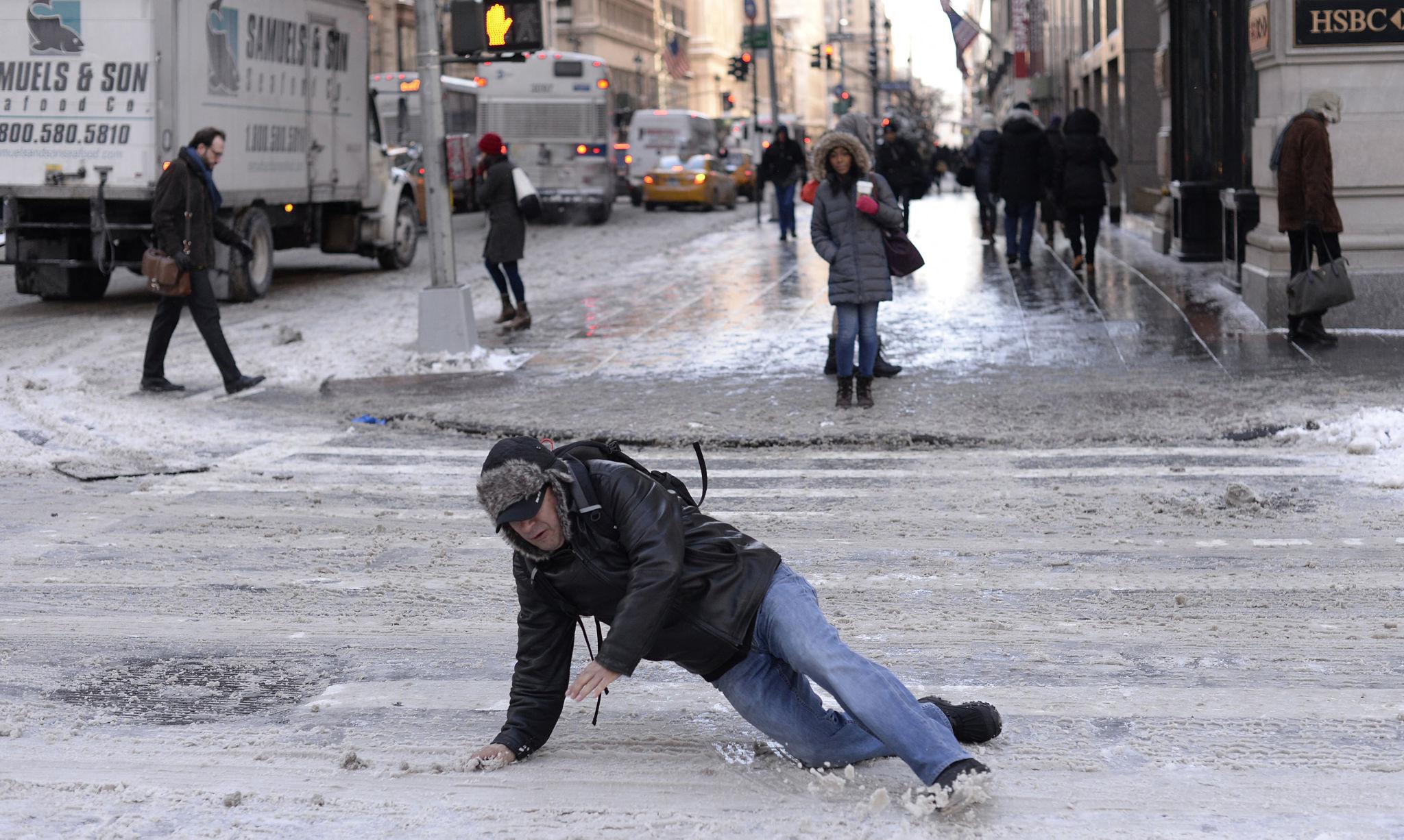
Winter in New York can make an ordinary walk surprisingly risky. One minute you’re walking into a store, apartment building, parking lot, or office, and the next you’re on the ground because of a patch of ice you didn’t even see.
Snow and ice accidents can leave people dealing with much more than a bruised knee. Broken bones, back injuries, head injuries, and other serious problems can lead to medical bills and time away from work. But simply falling on someone else’s property does not automatically mean the property owner is legally responsible.
New York has specific rules that can make winter slip-and-fall claims more complicated than they first appear.
When Can a Property Owner Be Responsible?
Generally, a property owner or person controlling the property may be responsible when a dangerous snow or ice condition was created by them or when they had actual or constructive notice of the condition and failed to address it within a reasonable time.
That distinction matters.
For example, imagine you walk into a store parking lot and slip on a patch of ice. If the property owner knew about the ice and had enough time to remove it or make the area reasonably safe, there may be a basis for a claim.
But if the ice appeared moments before your fall and the owner had no reasonable opportunity to discover it, proving negligence can be much harder.
The “Storm in Progress” Rule
This is one of the biggest things people need to understand about winter slip-and-fall claims in New York.
Under the storm in progress rule, a property owner generally isn’t expected to eliminate snow or ice while a storm is still actively creating the hazardous condition. The law gives the owner a reasonable amount of time after the storm ends to address the accumulation.
The reasoning is fairly practical. If snow is falling heavily and a property owner clears a walkway, another layer can cover it minutes later.
That doesn’t mean a property owner is automatically protected whenever it snows. Courts look at the circumstances, including whether the storm had actually ended and whether the dangerous condition existed before the storm.
What If Someone Tried to Remove the Snow?
Snow removal can create another issue.
Suppose a business shovels snow during a storm but leaves behind a dangerous ridge of ice or creates an especially slippery surface. New York courts have recognized that when a property owner voluntarily undertakes snow removal during an ongoing storm, the work must be performed with reasonable care.
So “we were clearing the snow” doesn’t necessarily end the discussion.
The question may become whether the snow-removal work actually created or made the dangerous condition worse.
Black Ice Can Make These Cases Difficult
Black ice is especially frustrating because you may not even see it before falling.
Someone might walk across what appears to be an ordinary sidewalk and suddenly lose their footing. Afterward, proving exactly what caused the fall can become important.
Photos taken shortly after the accident can help show the condition of the area. Weather records, surveillance footage, maintenance records, witness statements, and other evidence may also become relevant.
New York courts have repeatedly emphasized the importance of proving that the property owner created the condition or had actual or constructive notice of it.
What Does “Constructive Notice” Mean?
Constructive notice basically means the dangerous condition existed long enough, and was visible and apparent enough, that the property owner should reasonably have discovered it.
For example, if a large patch of ice has been sitting in a heavily traveled entrance for hours, there may be an argument that the owner should have known about it.
On the other hand, if the condition appeared only moments before the accident, constructive notice can be much harder to establish.
This is why timing can become such an important part of a winter slip-and-fall case.
Where Did the Fall Happen?
The location of the accident can also make a difference.
A fall inside a privately owned store, in an apartment building, in a parking lot, on a sidewalk, or on government property can involve different responsibilities and legal rules.
New York City, for example, has specific rules concerning certain sidewalk conditions and the responsibility of adjoining property owners. New York courts have recognized that certain abutting landowners can face liability for negligent failure to remove snow and ice under New York City’s Administrative Code.
So two people could experience almost identical falls but have very different legal situations depending on where the accidents occurred.
What Should You Do After a Winter Slip and Fall?
The first priority is getting medical attention if you’re injured.
After that, try to preserve evidence while the condition still exists.
If you’re physically able to do so, consider taking photographs of:
- The snow or ice that caused the fall
- The surrounding sidewalk or walkway
- Nearby entrances and signs
- Poor lighting
- Any visible cracks or drainage problems
- Your clothing and shoes
- Your injuries
If someone saw you fall, get their contact information.
You should also report the accident to the property owner, manager, store employee, or appropriate person and ask for a copy of any incident report.
Don’t assume someone else will preserve surveillance footage. If cameras may have captured the accident, that footage can become important later.
Keep Track of Your Injuries
Some winter injuries are obvious immediately.
A broken wrist is hard to ignore.
Others aren’t.
Back pain, soft-tissue injuries, headaches, and other symptoms may develop or become more noticeable later. Follow your medical provider’s instructions and keep records of appointments, bills, medications, and time missed from work.
Those records can help establish how the accident affected your daily life.
Can You Sue If You Slipped on Snow or Ice?
Possibly, but the answer depends heavily on the facts.
A successful claim generally requires more than proving that snow or ice existed. You may need to establish that the defendant was negligent—for example, by creating the dangerous condition or having actual or constructive notice of it and failing to take reasonable steps to address it.
That’s also why photographs, weather information, maintenance records, witness testimony, and other evidence can matter so much.
Frequently Asked Questions (FAQs)
Can I file a claim if I slipped on black ice in New York?
Yes, you may be able to pursue a claim if another party was legally responsible for the dangerous condition. However, you generally need to establish that the property owner or responsible party created the condition or had actual or constructive notice of it.
Can a property owner be liable if it was snowing when I fell?
Not necessarily. New York’s storm in progress rule can protect property owners from liability for snow and ice accumulating during an ongoing storm because they generally need a reasonable opportunity to address the condition after the storm ends. There are exceptions, particularly where a preexisting condition or negligent snow removal is involved.
What evidence is helpful in a winter slip-and-fall case?
Photographs, videos, witness information, medical records, accident reports, surveillance footage, weather records, and evidence showing how long the dangerous condition existed can all be useful. The specific evidence needed depends on the circumstances of the accident.
Should I speak with a lawyer after a serious winter fall?
If the fall resulted in significant injuries, medical expenses, lost income, or ongoing problems, speaking with a New York personal injury attorney can help you understand whether another party may be legally responsible and what evidence could support your claim.
Final Thoughts
Winter slip-and-fall cases in New York aren’t always as simple as “there was ice, so someone must be responsible.” The timing of the storm, how long the condition existed, whether the property owner knew about it, where the accident happened, and whether the owner created or worsened the condition can all matter.
If you’ve been injured, don’t overlook the small details. A photograph taken right after the fall, the name of someone who witnessed what happened, or a record showing when the snow stopped can sometimes become important later.
Most importantly, get your injuries evaluated and preserve whatever evidence you reasonably can. When a winter fall causes serious harm, understanding how New York’s snow and ice rules work can help you make a more informed decision about what to do next.