Criminal Defense in Rochester: Laws, Rights and Legal Options
Getting arrested or charged with a crime can make everything feel uncertain very quickly. You may be wondering what happens next, whether you need a lawyer, or what you should say to police or the court. In Rochester, criminal cases are handled under New York State law, with proceedings taking place in Rochester City Court, local town and village courts, Monroe County Court, or Supreme Court depending on the charge and circumstances.
Understanding your basic rights and the legal process can help you approach the situation with a clearer picture of what comes next.
What Happens After an Arrest in Rochester?
An arrest does not mean that a person has been found guilty. The criminal process generally begins with an appearance in court, known as an arraignment.
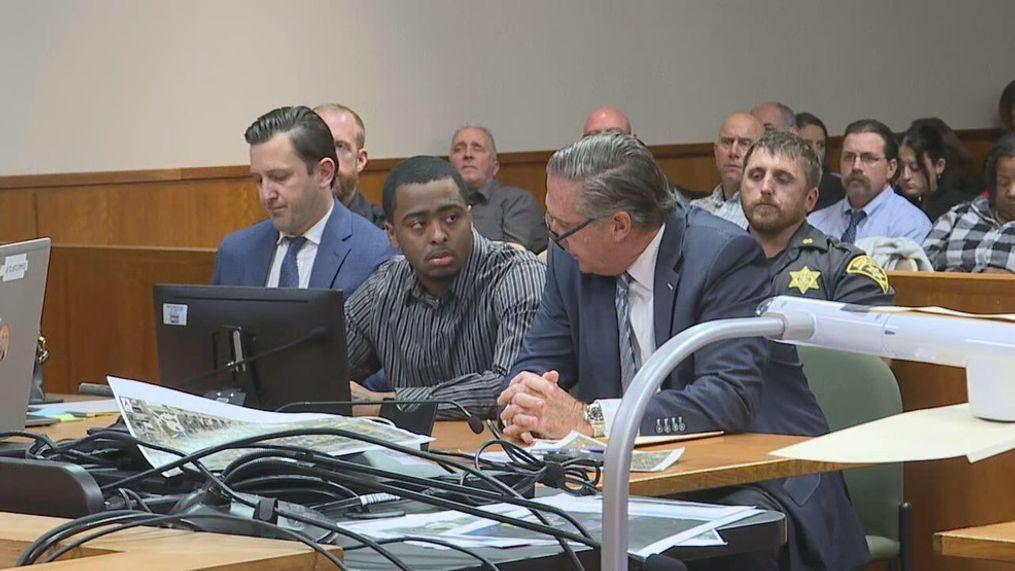
At an arraignment, the defendant is informed of the charges and certain important rights. The court also addresses the plea, and depending on the circumstances, issues involving release, bail, or other conditions may be considered. New York Courts explains that a person arrested has the right to an attorney at arraignment and throughout the criminal case.
The next steps depend heavily on whether the accusation involves a violation, misdemeanor, or felony and on the specific facts of the case.
What Are Your Rights During a Criminal Case?
People facing criminal charges have constitutional and statutory protections. One of the most important is the right to legal representation.
You generally have the right to remain silent and the right to have an attorney. If you cannot afford to hire a lawyer, you may qualify for court-appointed representation.
It is also important to remember that you should not assume that talking to investigators will make a difficult situation disappear. What you say can become part of the evidence in a case. A defense attorney can explain how your particular circumstances affect your rights before you make important decisions.
Do You Need a Criminal Defense Lawyer?
The answer depends on the circumstances.
A relatively minor charge and a serious felony can involve very different risks and procedures. Even when someone believes the accusation is straightforward, there may be questions involving the legality of an arrest, a search, statements made to police, identification evidence, or whether prosecutors have sufficient evidence.
A criminal defense lawyer can review the allegations, court paperwork, police reports, and available evidence and explain the options that may exist.
Recent decisions from New York’s Fourth Department illustrate how issues such as searches, statements, video evidence, and the right to effective counsel can become important parts of criminal appeals.
Common Types of Criminal Cases in Rochester
Criminal defense can involve many different allegations, including:
- DWI and other traffic-related crimes
- Drug possession or distribution charges
- Assault charges
- Theft and property crimes
- Criminal possession of a weapon
- Domestic violence-related criminal charges
- Burglary and robbery
- Fraud and financial crimes
- Sex-related criminal charges
- Felony and misdemeanor offenses
The possible consequences can vary substantially depending on the offense, prior criminal history, evidence, and other circumstances.
What Defense Options May Be Available?
There is no single defense strategy that applies to every criminal case.
Depending on the facts, an attorney may investigate whether evidence was obtained unlawfully, challenge statements or identification evidence, question whether prosecutors can establish the required elements of the offense, negotiate a plea agreement, or prepare the case for trial.
In some cases, suppression issues can become especially important. For example, the Fourth Department recently decided a Monroe County case in which suppression of tangible property and statements resulted in the plea being vacated and the indictment dismissed.
That does not mean suppression will be available in every case. The specific facts and applicable law matter.
Plea Bargaining and Going to Trial
A criminal case does not necessarily end with a trial.
New York Courts explains that before a plea is entered, defense counsel and the prosecutor may discuss resolving the case without a trial. This is commonly referred to as plea bargaining. If a defendant pleads not guilty, the case can proceed toward hearings or trial.
A lawyer can explain the potential consequences of accepting a plea compared with continuing to defend the case. The decision should be based on the actual charges, evidence, possible penalties, and the individual’s circumstances rather than assumptions about what will happen.
What If You Cannot Afford a Lawyer?
Financial circumstances do not necessarily mean you must handle a criminal case alone.
The Monroe County Public Defender’s Office represents financially eligible clients in criminal proceedings throughout Monroe County, including cases involving town, village, city, county, and Supreme Courts.
Monroe County also has an Assigned Counsel Program. It provides representation in criminal matters for people who cannot afford counsel when the Public Defender’s Office or Conflict Defender’s Office cannot represent someone because of a conflict of interest.
The Conflict Defender’s Office separately handles criminal and family court matters when a conflict prevents representation by the Public Defender.
Eligibility and assignment depend on the circumstances of the individual case, so it is worth asking the court or appropriate office about available representation.
Why Evidence Matters So Much
Criminal cases are often decided around the evidence available to both sides.
That can include police reports, photographs, surveillance footage, physical evidence, witness testimony, electronic records, and statements attributed to the defendant. A lawyer may examine how evidence was collected, whether it can legally be used, and whether it can be authenticated.
For example, a 2026 Fourth Department decision involving a Monroe County prosecution addressed authentication of video evidence as well as the defendant’s right to effective counsel.
This is one reason it is important to preserve potentially relevant messages, photographs, videos, documents, and other records rather than deleting or altering them.
What Should You Do After Being Charged?
One of the most useful steps is to take the charges seriously from the beginning. Keep track of your court dates, follow release conditions, avoid discussing the case publicly, and communicate honestly with your attorney.
Do not assume that a charge will simply disappear because you believe you are innocent. At the same time, being charged does not mean the prosecution has already proved its case.
The defense process exists so that the allegations and evidence can be examined through the court system.
4 FAQs About Criminal Defense in Rochester
1. Can I get a lawyer if I cannot afford one in Rochester?
Possibly. Financially eligible defendants may receive representation through the Monroe County Public Defender’s Office. When conflicts prevent the Public Defender from handling a case, the Conflict Defender or Assigned Counsel Program may become involved.
2. Do I have to speak to the police after an arrest?
You have important rights regarding questioning and legal representation. Because the circumstances of every arrest are different, it is generally wise to seek legal advice before making statements about an alleged offense.
3. Can a criminal case be resolved without a trial?
Yes. Depending on the circumstances, a case may be resolved through a plea agreement or another court-approved resolution. Other cases proceed through hearings and potentially a trial.
4. What should I bring when meeting a Rochester criminal defense lawyer?
Bring your charging documents, appearance information, release paperwork, police paperwork if you have it, and any potentially relevant records, photographs, messages, or videos. Tell the attorney what happened as accurately as you can, including facts that may seem unfavorable.
Final Thoughts
A criminal charge can feel overwhelming, especially when you do not know what the next court date will bring. The legal process in Rochester involves specific procedures, deadlines, rights, and potential consequences, and the right approach depends on the individual case.
Whether you hire private counsel or qualify for appointed representation, getting legal advice early can help you understand the allegations, protect your rights, and make informed decisions about the options available to you.