DWI in Rochester: Laws, Rights and Legal Options
Getting stopped for suspected DWI in Rochester can turn a normal night into a situation that suddenly feels much more serious. You may be worried about your driver’s license, your job, your insurance, or even whether you could face jail. Understanding DWI in Rochester: Laws, Rights and Legal Options starts with knowing that New York treats impaired driving as a criminal matter, and the consequences can extend beyond the traffic stop itself.
New York law generally defines DWI as operating a motor vehicle with a blood alcohol concentration (BAC) of .08% or higher or while intoxicated based on other evidence. Aggravated DWI generally applies at .18% BAC or higher. New York also recognizes alcohol-related impairment below .08%, as well as drug-impaired driving.
What Happens After a DWI Stop in Rochester?
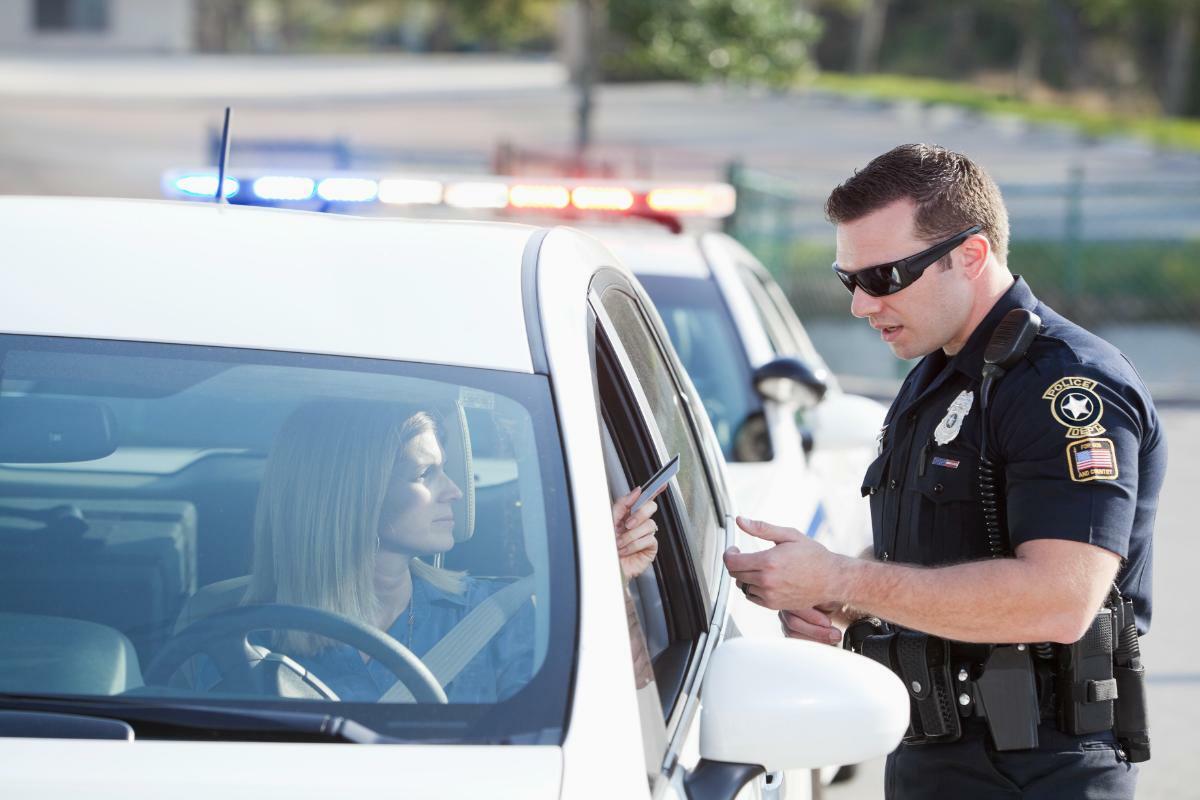
A DWI case can begin with a traffic stop, an accident investigation, or another situation in which an officer believes a driver may be impaired.
The officer may ask questions, conduct field sobriety testing, and request a chemical test. What happens next can depend on the circumstances, including what the officer observed, whether a breath test was given, whether there was an accident, and whether the driver has previous alcohol- or drug-related convictions.
It is important to remember that an arrest is not the same thing as a conviction. The prosecution still has to establish the applicable charges under New York law.
What Are the BAC Levels in New York?
For most drivers, a BAC of .08% or higher can support a per se DWI charge. A BAC of .18% or higher falls under aggravated DWI provisions. Drivers can also face charges based on impairment even when the BAC does not reach .08%.
For example, New York recognizes DWAI for alcohol impairment at more than .05% and less than .07% BAC, while other circumstances can result in an impairment charge based on evidence rather than simply a specific BAC number.
These distinctions matter because the possible penalties can be very different.
What Happens to Your Driver’s License?
A DWI case can create both criminal-court and DMV consequences.
For a first DWI conviction, New York DMV information lists a mandatory fine of $500 to $1,000, a possible jail term of up to one year, and a minimum six-month license revocation. Repeat offenses can carry substantially greater penalties.
There can also be a separate issue involving a chemical-test refusal. A confirmed refusal can result in a separate license revocation and civil penalty, even though the refusal proceeding is different from the criminal DWI case.
That is why someone arrested for DWI should not assume that dealing with the criminal charge automatically takes care of the DMV side of the case.
What If You Refused a Breath or Chemical Test?
People sometimes believe refusing a chemical test makes a DWI case disappear. It does not.
New York imposes separate consequences for chemical-test refusals. According to the DMV, a first confirmed refusal generally results in at least a one-year license revocation and a $500 civil penalty, with different consequences for commercial drivers and certain repeat refusals.
Because refusal issues can involve separate DMV proceedings, getting legal advice quickly can be important.
Do You Have Rights After a DWI Arrest?
Yes. Being accused of DWI does not eliminate your legal rights.
You have the right to understand the accusation against you and to have legal counsel. You should also be cautious about making unnecessary statements about what happened before speaking with your attorney.
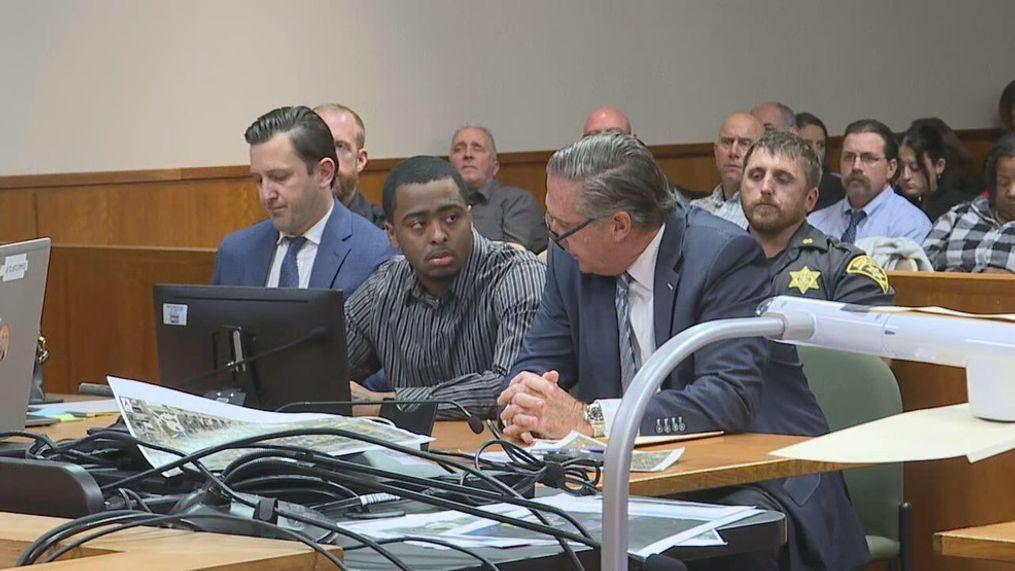
A lawyer reviewing a Rochester DWI case may examine the reason for the traffic stop, how the investigation was conducted, field sobriety testing, chemical-test procedures, timing, video evidence, police reports, and whether required procedures were followed.
That does not mean every DWI case has a technical defense. It means the circumstances of each case need to be examined rather than assuming the charge automatically proves the allegation.
What Penalties Can a DWI Conviction Bring?
The consequences depend on the charge, BAC level, prior convictions, and other circumstances.
A first DWI conviction can involve fines, license revocation, and possible incarceration. Repeat offenses within specified periods can become felony offenses and carry much more serious penalties.
New York also requires ignition interlock devices in many DWI conviction situations. New York Courts explains that an IID is connected to the vehicle’s ignition and requires a breath sample before the vehicle can start.
If a child age 15 or younger was in the vehicle, additional serious consequences may apply under New York’s DWI laws.
Why Talk to a Rochester DWI Lawyer?
The details of a DWI arrest can matter. Two people may both be charged with DWI but have very different circumstances involving their traffic stops, BAC results, prior records, accidents, or interactions with police.
A Rochester DWI attorney can review the evidence and explain the charges, potential penalties, DMV consequences, and available legal options. Depending on the case, those options could include challenging evidence, negotiating with prosecutors, defending the charges in court, or addressing separate license-related proceedings.
The important thing is not to assume that a charge automatically tells you how the case will end.
What Should You Do After a DWI Arrest?
If you have been arrested for DWI, keep copies of the paperwork you received and pay attention to court and DMV deadlines. Do not ignore notices simply because the criminal case has not been resolved.
Write down what you remember about the stop while the details are still fresh. Keep any paperwork, receipts, photographs, videos, or other information connected to the incident. Then discuss the situation with a qualified New York attorney who can review the specific facts.
4 FAQs About DWI in Rochester
1. Is DWI a crime in New York?
Yes. New York Courts states that DWI is a crime. Depending on the specific charge and the driver’s history, an offense may be classified as a misdemeanor or felony.
2. Can I lose my license after a DWI arrest?
Potentially. New York has separate license-related consequences connected to DWI charges and chemical-test refusals. The exact action depends on the circumstances and the applicable law.
3. What happens if I refused a chemical test?
A confirmed chemical-test refusal can lead to a separate license revocation and civil penalty. A first refusal generally carries at least a one-year revocation and a $500 civil penalty, subject to the applicable circumstances.
4. Do I need a lawyer for a DWI charge in Rochester?
You have the right to represent yourself, but DWI cases can involve both criminal and DMV consequences. An attorney can review the evidence, explain the potential consequences, and help you understand your legal options based on the specific facts.
Final Thoughts
A DWI charge can affect much more than one night of driving. Your license, finances, employment, insurance, and future driving privileges may all become concerns. New York’s DWI laws also become significantly more complicated when there are prior offenses, high BAC allegations, chemical-test refusals, drugs, accidents, or children in the vehicle.
If you are facing a DWI charge in Rochester, understanding the accusation and the deadlines involved is a good place to start. The right legal approach depends on what actually happened, what evidence.