
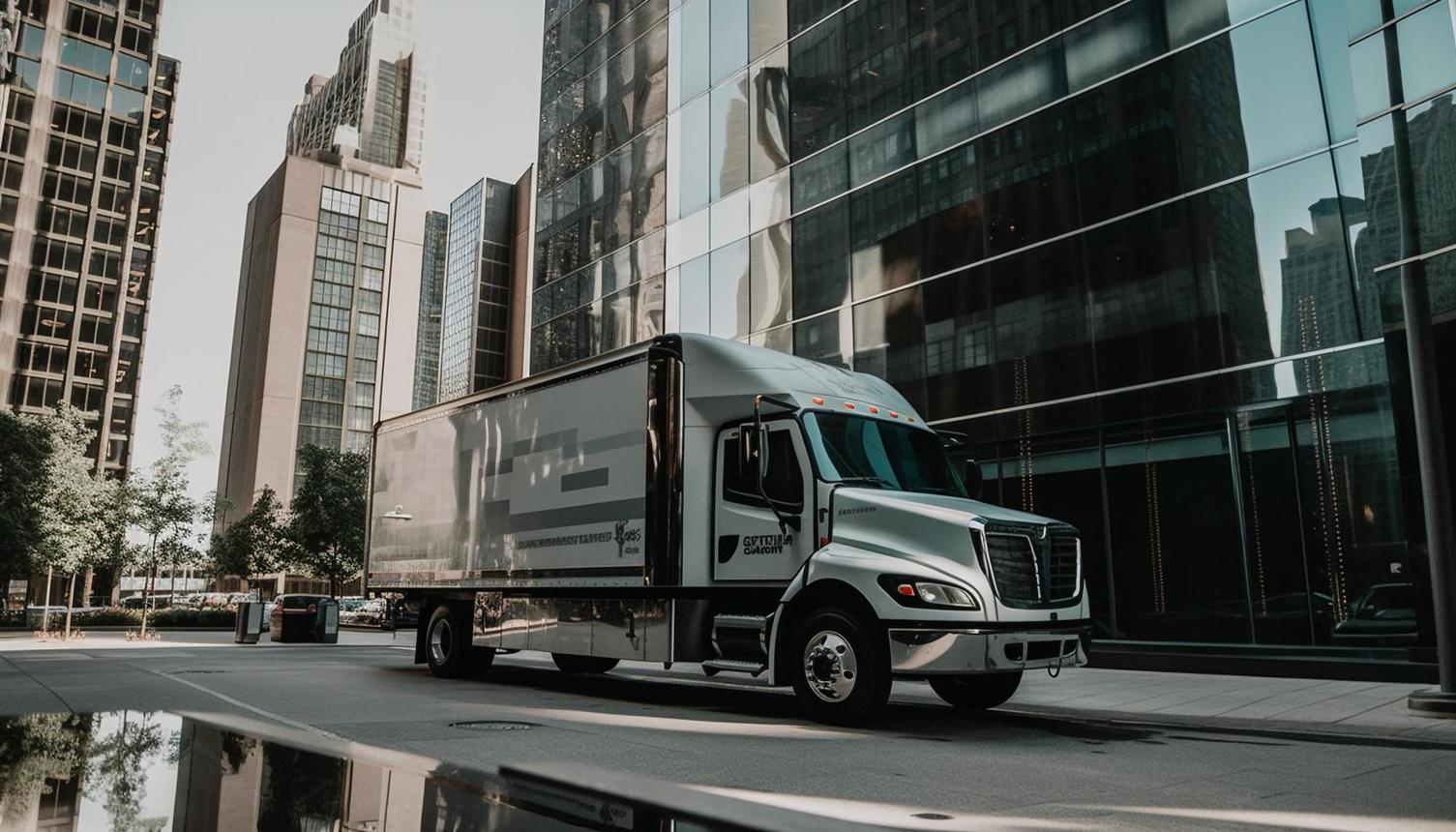
Trucks and Commercial Vehicle Classifications Under New York Law
If you’ve ever driven on a New York highway, you’ve probably noticed that not all trucks are the same. Some are small delivery vans making neighborhood stops, while others are massive tractor-trailers carrying goods across the country. Although they may all seem like “commercial vehicles,” New York law classifies them differently based on factors such as weight, size, and how they’re used.
Understanding these classifications can be helpful for truck drivers, business owners, and everyday motorists. It also becomes especially important after a truck accident, when the type of commercial vehicle involved may affect licensing requirements, insurance coverage, and legal responsibilities.
What Is Considered a Commercial Vehicle?
Under New York law, a commercial vehicle is generally a vehicle used to transport goods or passengers for business purposes. Many commercial vehicles require special registration, insurance, inspections, and, in some cases, a Commercial Driver License (CDL).
Commercial vehicles can range from small cargo vans to heavy tractor-trailers, depending on their size and purpose.
Why Do Vehicle Classifications Matter?
Vehicle classifications are more than just technical categories.
They determine:
- Driver licensing requirements
- Safety regulations
- Weight restrictions
- Inspection requirements
- Insurance obligations
- Hours-of-service rules for commercial drivers
- Legal responsibilities after an accident
For example, operating a fully loaded semi-truck involves far different legal requirements than driving a local delivery van.
Common Commercial Vehicle Classifications
Light Commercial Vehicles
Light commercial vehicles are typically used for local deliveries and small business operations.
Examples include:
- Cargo vans
- Small delivery trucks
- Pickup trucks used for business
- Utility service vehicles
These vehicles generally transport smaller loads and often operate within cities and suburban areas.
Medium Commercial Vehicles
Medium-duty commercial vehicles are larger and can carry heavier cargo.
Examples include:
- Box trucks
- Beverage delivery trucks
- Flatbed trucks
- Large utility trucks
- Dump trucks used for local construction
Many businesses rely on these vehicles for regional transportation and commercial services.
Heavy Commercial Vehicles
Heavy commercial vehicles include the largest trucks on New York roads.
Examples include:
- Tractor-trailers
- Semi-trucks
- Tanker trucks
- Livestock carriers
- Car carriers
- Refrigerated freight trucks
Because of their size and weight, these vehicles are subject to extensive state and federal safety regulations.
Commercial Driver License (CDL) Requirements
Many commercial vehicles require the driver to hold a Commercial Driver License (CDL).
The type of CDL needed often depends on:
- The vehicle’s weight
- The type of cargo being transported
- Whether hazardous materials are involved
- The number of passengers carried
Drivers operating large commercial vehicles must also meet medical certification requirements and comply with additional training and testing standards.
Weight Classifications
Commercial vehicles are often classified according to their Gross Vehicle Weight Rating (GVWR).
Generally, heavier vehicles are subject to stricter regulations regarding:
- Licensing
- Vehicle inspections
- Maintenance
- Load limits
- Operating restrictions
Weight also plays an important role in determining stopping distance, road safety, and accident severity.
Special Rules for Commercial Vehicles
Commercial vehicles in New York are subject to regulations that do not apply to ordinary passenger vehicles.
These may include:
- Routine safety inspections
- Electronic logging requirements
- Driver hour limitations
- Cargo securement standards
- Drug and alcohol testing for CDL drivers
- Vehicle maintenance requirements
These rules are intended to improve safety for everyone sharing the road.
Commercial Vehicle Accidents
Accidents involving commercial trucks are often more complicated than typical car accidents.
Liability may involve multiple parties, including:
- The truck driver
- The trucking company
- The cargo loading company
- Vehicle maintenance providers
- Manufacturers of defective truck parts
Investigating these accidents often requires reviewing driver logs, maintenance records, inspection reports, and other business documents.
What Should You Do After a Commercial Truck Accident?
If you’re involved in an accident with a commercial vehicle, consider taking the following steps:
- Call 911 immediately.
- Seek medical attention.
- Take photographs of the accident scene.
- Collect contact information from witnesses.
- Record the trucking company’s name and any identifying numbers on the vehicle.
- Avoid discussing fault at the scene.
- Notify your insurance company promptly.
Because commercial vehicle cases can involve multiple insurance policies and federal regulations, preserving evidence early is often important.
Do’s and Don’ts
Do:
- Drive cautiously around large trucks.
- Stay out of truck blind spots whenever possible.
- Give commercial vehicles extra space to stop.
- Report unsafe commercial driving when appropriate.
- Seek medical care after an accident.
Don’t:
- Cut off large trucks in traffic.
- Drive alongside a truck for extended periods.
- Assume the truck driver is automatically at fault.
- Ignore injuries after an accident.
- Delay gathering evidence if a crash occurs.
Frequently Asked Questions (FAQs)
What is considered a commercial vehicle in New York?
A commercial vehicle is generally one used to transport goods or passengers for business purposes. Depending on its size and use, it may require commercial registration and additional legal requirements.
Do all commercial vehicle drivers need a CDL?
No. Not every commercial vehicle requires a Commercial Driver License. CDL requirements depend on factors such as the vehicle’s weight, the type of cargo transported, and passenger capacity.
Why are truck accident cases more complicated?
Commercial truck accidents often involve multiple parties, larger insurance policies, federal transportation regulations, and extensive documentation that must be reviewed during an investigation.
Are commercial trucks subject to additional safety rules?
Yes. Many commercial vehicles must comply with regulations covering inspections, maintenance, driver qualifications, hours of service, cargo securement, and other safety standards.
Final Thoughts
Commercial vehicles play a vital role in keeping New York’s economy moving, delivering everything from groceries and construction materials to medical supplies and consumer goods. Because these vehicles vary greatly in size and purpose, New York law places different legal and safety requirements on each classification.
Whether you’re a commercial driver, business owner, or everyday motorist, understanding how trucks and commercial vehicles are classified can help you better understand the rules that keep New York roads safer. If you’re involved in an accident with a commercial vehicle, knowing these classifications may also help you better understand the legal issues that can arise afterward.



