Do I Need a Lawyer for Small Claims Court?
If you’re thinking about taking someone to small claims court—or you’ve been sued there yourself—you’ve probably asked one simple question: Do I actually need a lawyer?
The short answer is usually no, but the full answer depends on your situation. Small claims court was created to help people resolve smaller legal disputes without the time, expense, and complexity of a traditional lawsuit. Many people represent themselves successfully, but there are situations where getting legal advice can still be helpful.
Here’s what you should know before deciding whether to hire an attorney.
What Is Small Claims Court?
Small claims court is designed to resolve disputes involving relatively small amounts of money. The process is generally simpler than regular civil court, making it easier for individuals to present their own cases.
Common small claims cases include:
- Unpaid loans
- Security deposit disputes
- Property damage
- Unpaid invoices
- Breach of simple contracts
- Faulty home repairs
- Consumer disputes
- Minor vehicle damage
Each state sets its own maximum dollar limit for small claims cases, so the amount you can recover depends on where the lawsuit is filed.
Do You Have to Hire a Lawyer?
In most cases, no.
Small claims courts are specifically designed so that people can represent themselves without needing formal legal representation.
Judges understand that many individuals appearing in small claims court are not lawyers. Because of this, the procedures are often less formal than those used in higher courts.
For straightforward disputes, many people successfully present their own evidence and explain their side of the case.
When You May Not Need a Lawyer
You may feel comfortable representing yourself if:
- The facts are straightforward.
- You have written evidence supporting your claim.
- The amount in dispute is relatively small.
- Both parties agree on most of the facts.
- The legal issues are simple.
Many landlord-tenant disputes, unpaid personal loans, and consumer complaints fall into this category.
When Hiring a Lawyer May Be Helpful
Although lawyers aren’t required, there are situations where legal advice may make a significant difference.
You may want to consult an attorney if:
- The case involves complicated legal issues.
- A business or insurance company is involved.
- The other party has hired an attorney.
- There are multiple defendants.
- The evidence is complex.
- The dispute could affect another lawsuit.
- A large amount of money is at stake under your state’s small claims limit.
Even if you don’t hire a lawyer to appear in court, paying for a consultation beforehand can help you better prepare your case.
What Evidence Should You Bring?
Winning a small claims case usually depends on the quality of your evidence.
Helpful evidence may include:
- Contracts
- Receipts
- Invoices
- Emails
- Text messages
- Photographs
- Repair estimates
- Bank records
- Witness statements
Organizing your documents before the hearing can make your presentation much more effective.
What Happens During the Hearing?
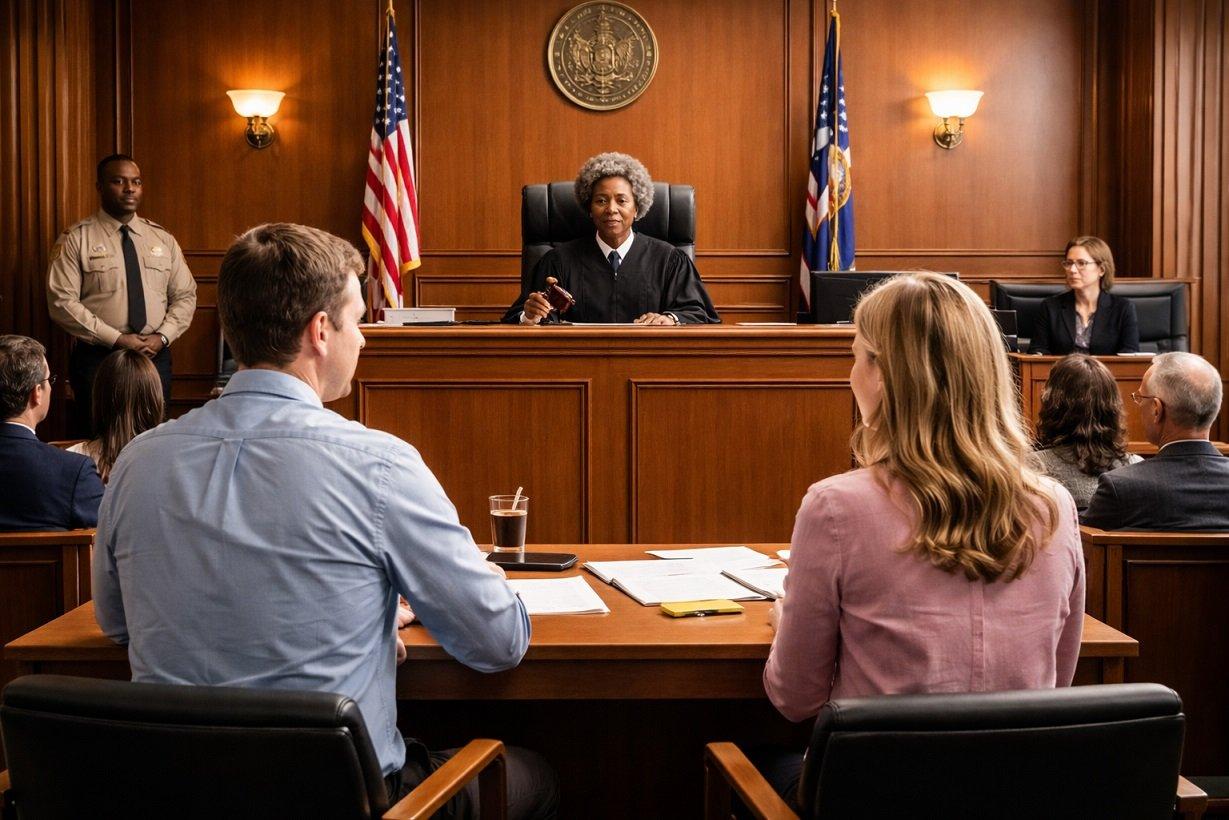
Small claims hearings are generally much shorter than traditional court trials.
Each side has an opportunity to:
- Explain what happened.
- Present documents and evidence.
- Answer the judge’s questions.
- Respond to the other party’s claims.
The judge reviews the evidence and either issues a decision immediately or sends a written judgment later.
Tips for Representing Yourself
If you decide not to hire a lawyer, preparation becomes even more important.
Some helpful tips include:
- Arrive early.
- Dress neatly and professionally.
- Stay respectful throughout the hearing.
- Bring multiple copies of your documents.
- Focus on facts rather than emotions.
- Answer questions honestly.
- Stay organized when presenting your evidence.
Judges appreciate clear, straightforward presentations.
What If You Lose?
If the judge rules against you, your options depend on your state’s laws.
Some states allow appeals under certain circumstances, while others limit appeal rights in small claims court.
Understanding your state’s procedures can help you determine your next steps.
Do’s and Don’ts
Do:
- Gather all your evidence before court.
- Keep copies of important documents.
- Arrive early for your hearing.
- Remain calm and respectful.
- Stick to the facts.
- Listen carefully to the judge’s questions.
Don’t:
- Interrupt the other party.
- Bring irrelevant information.
- Argue emotionally instead of presenting evidence.
- Miss your court date.
- Assume the judge already knows your side of the story.
- Ignore court paperwork or deadlines.
Frequently Asked Questions (FAQs)
Can I represent myself in small claims court?
Yes. Small claims court is specifically designed so that individuals can represent themselves without hiring a lawyer in many cases.
Is hiring a lawyer worth it for small claims court?
It depends on the complexity of the case. For straightforward disputes, many people successfully handle their own cases. For more complicated legal issues, consulting an attorney may be beneficial.
What kind of evidence should I bring?
Bring any documents that support your claim, including contracts, receipts, invoices, emails, text messages, photographs, repair estimates, and witness information.
What happens if the other side has a lawyer?
You can still represent yourself. The judge will consider the evidence presented by both sides and make a decision based on the facts and applicable law.
Final Thoughts
Small claims court was created to make the legal process more accessible for everyday people. In many cases, you can successfully handle your own claim without hiring an attorney, especially if the dispute is straightforward and you have strong evidence to support your position.
That said, every case is different. If your dispute involves complicated legal questions, significant financial consequences, or an opposing party represented by counsel, seeking legal advice can provide valuable guidance. Whether you choose to hire a lawyer or represent yourself, being organized, prepared, and focused on the facts will give you the best chance of presenting a strong case.