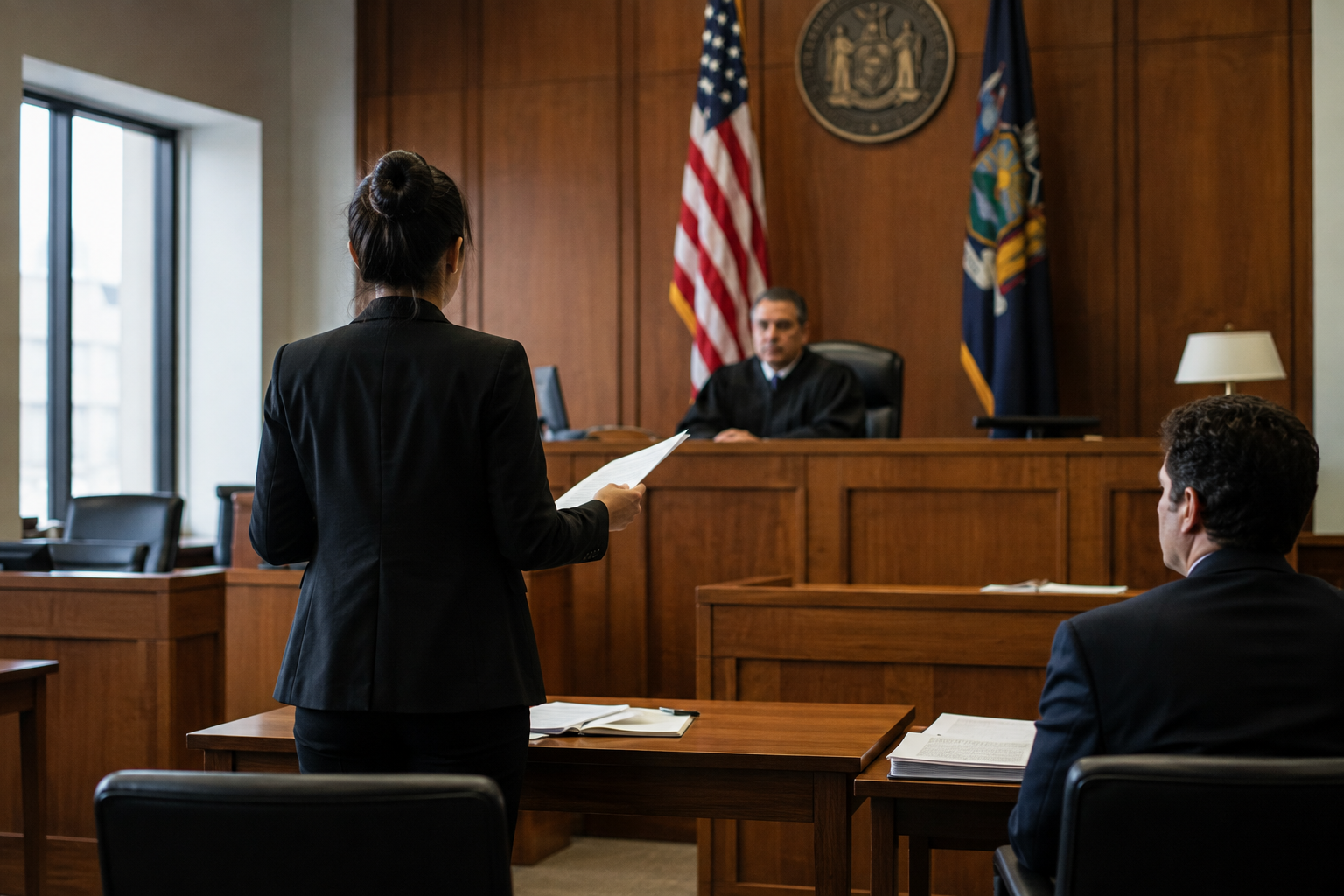
Can I Sue Without a Lawyer in NYC?
If you’re thinking about filing a lawsuit in New York City, one of the first questions that probably comes to mind is, “Do I really need a lawyer?” The answer is no, not always. In many civil cases, individuals have the right to represent themselves. This is known as appearing pro se, which simply means you’re handling the case on your own.
That doesn’t mean every lawsuit is easy to manage without an attorney. Court rules, filing requirements, deadlines, evidence, and legal arguments can become confusing pretty quickly. Whether representing yourself makes sense depends largely on what you’re suing about and how complicated the dispute has become.
Can You Represent Yourself in NYC Courts?
Yes. New York generally allows individuals to represent themselves in court.
You don’t have to be a lawyer to file a lawsuit involving your own legal rights. You can prepare your paperwork, file documents, appear at hearings, communicate with the court, and present your case yourself.
For a relatively straightforward dispute, handling the case on your own may be realistic.
But there’s an important difference between being allowed to represent yourself and being prepared to do it successfully.
What Types of Cases Can You Handle Yourself?
Some cases are easier to manage without an attorney than others.
For example, people sometimes represent themselves in:
- Small claims disputes
- Property damage claims
- Contract disputes
- Security deposit disputes
- Consumer complaints
- Certain landlord-tenant matters
- Unpaid debt disputes
Small claims cases are particularly common for self-representation because the process is designed to be more accessible to people who aren’t lawyers.
When Representing Yourself May Become Difficult
A case can look simple at first and become complicated once the other side responds.
You may run into issues involving:
- Complex contracts
- Multiple parties
- Serious personal injuries
- Business disputes
- Insurance companies
- Employment claims
- Significant financial losses
- Technical evidence
- Complicated legal arguments
If the other party has an experienced attorney, you may also find yourself dealing with legal procedures and arguments you aren’t familiar with.
That’s often the point where getting professional advice becomes worth considering.
What Does “Pro Se” Mean?
Pro se means you’re representing yourself rather than having an attorney represent you.
If you proceed pro se, the court generally expects you to follow the applicable rules and deadlines just as a represented party would.
The judge may explain basic courtroom procedures, but you shouldn’t expect the judge to build your case for you.
You’re still responsible for presenting your evidence and making the arguments necessary to support your position.
What Do You Need to File a Lawsuit?
The exact requirements depend on the type of case and the court where you’re filing.
Generally, you may need to:
- Determine which court has jurisdiction.
- Prepare the appropriate legal documents.
- File the case and pay applicable fees.
- Properly serve the other party.
- Respond to court notices and deadlines.
- Gather supporting evidence.
- Attend scheduled conferences or hearings.
Missing a deadline or failing to properly serve the other party can create serious problems, even if you have a legitimate claim.
What Evidence Should You Gather?
If you’re suing without a lawyer, organization matters.
Depending on your case, useful evidence could include:
- Contracts
- Emails
- Text messages
- Photographs
- Receipts
- Invoices
- Bank records
- Medical records
- Police reports
- Witness information
- Property records
Don’t simply bring a pile of documents and hope the judge figures everything out. Know what each document proves and how it connects to your claim.
Can You Sue Without a Lawyer in Small Claims Court?
Yes. Small claims court is one of the most common places where people represent themselves.
In New York City, the Civil Court’s Small Claims Part handles certain money disputes involving relatively smaller amounts. The rules are designed to be simpler than those used in many larger civil cases.
Still, you need to follow the court’s requirements, bring appropriate evidence, and explain clearly why you believe you’re entitled to money.
What If You Lose?
Representing yourself also means understanding the risks.
If the court rules against you, there may be limited options for challenging the decision depending on the type of case and court involved. You may also have spent filing fees, time, and other expenses without recovering anything.
Before filing, it’s worth considering not only “Can I sue?” but also “What happens if I lose?”
When Should You Consider Hiring a Lawyer?
You don’t necessarily need an attorney just because you’re going to court. But legal representation can become particularly valuable when the case involves substantial money, serious injuries, complicated laws, or significant consequences.
Consider speaking with a lawyer if:
- Your injuries are serious.
- The other side has an attorney.
- A large amount of money is involved.
- You’re unsure which laws apply.
- The case involves several parties.
- You received complicated court paperwork.
- You aren’t sure how to prove your claim.
- The opposing party has made a settlement offer.
You can also speak with an attorney without necessarily hiring one for the entire case. A consultation may help you understand whether self-representation is realistic.
Don’t Assume You Have to Do Everything Alone
Representing yourself doesn’t mean you can’t get legal information or assistance.
You can research court procedures, use official court resources, organize your evidence, and speak with an attorney about specific questions. The key is understanding the difference between getting guidance and having someone formally represent you.
For some people, a little legal advice before filing can prevent mistakes that become much harder to fix later.
Frequently Asked Questions (FAQs)
Can I sue someone in NYC without a lawyer?
Yes. Individuals can generally represent themselves in New York courts. This is known as proceeding pro se. However, you are still responsible for following the court’s rules and meeting applicable deadlines.
Is it cheaper to sue without a lawyer?
It can be. You won’t have attorney fees if you represent yourself, although court filing fees and other expenses may still apply. The amount you can save should be weighed against the time and complexity involved in handling the case yourself.
Can I represent myself in NYC Small Claims Court?
Yes. Small Claims Court is specifically designed to allow individuals to resolve certain money disputes without requiring an attorney.
Should I talk to a lawyer before suing?
It can be a smart step, particularly if the dispute involves serious injuries, substantial money, complicated legal issues, or an opposing party who already has legal representation. Even a consultation can help you understand your options.
Final Thoughts
Yes, you can sue without a lawyer in NYC in many situations. For straightforward disputes, representing yourself may be a practical option, especially when you have clear evidence and understand what you’re asking the court to do.
But being allowed to represent yourself doesn’t mean the process will always be simple. Court procedures, deadlines, evidence rules, and legal arguments can quickly become overwhelming when a case gets complicated.
Before filing, take an honest look at the dispute, the amount involved, the evidence you have, and what could happen if the case doesn’t go your way. Sometimes handling the case yourself makes sense. Other times, getting advice from a New York attorney before taking the next step can save you considerable time, money, and frustration.