Holiday weekends usually mean more people on the road. Families are traveling, friends are meeting up, parties are happening, and there is often more alcohol involved than on an ordinary weekend. For New York law enforcement, that also means increased attention on impaired driving.
Holiday DUI enforcement isn’t a completely different set of DWI laws. Instead, New York State Police and local agencies often increase patrols, use sobriety checkpoints, and focus on drivers who may be under the influence of alcohol or drugs. Recent holiday campaigns have included additional DWI patrols, checkpoints, and even concealed-identity traffic enforcement vehicles.
Why DUI Enforcement Increases During Holidays
Holiday weekends are some of the busiest travel periods of the year. More cars on the road combined with parties, celebrations, and alcohol can create a higher risk of impaired driving.
New York regularly conducts special enforcement campaigns around major holidays. During the 2026 Memorial Day campaign, for example, law enforcement agencies issued more than 27,000 tickets statewide, including more than 1,100 impaired-driving tickets.
The point isn’t simply to hand out more tickets. These campaigns are intended to identify impaired drivers before they cause a serious crash.
What Can Drivers Expect During Holiday Enforcement?
If you’re driving during a major holiday weekend, you may notice more police vehicles than usual.
New York State Police have used:
Increased DWI patrols
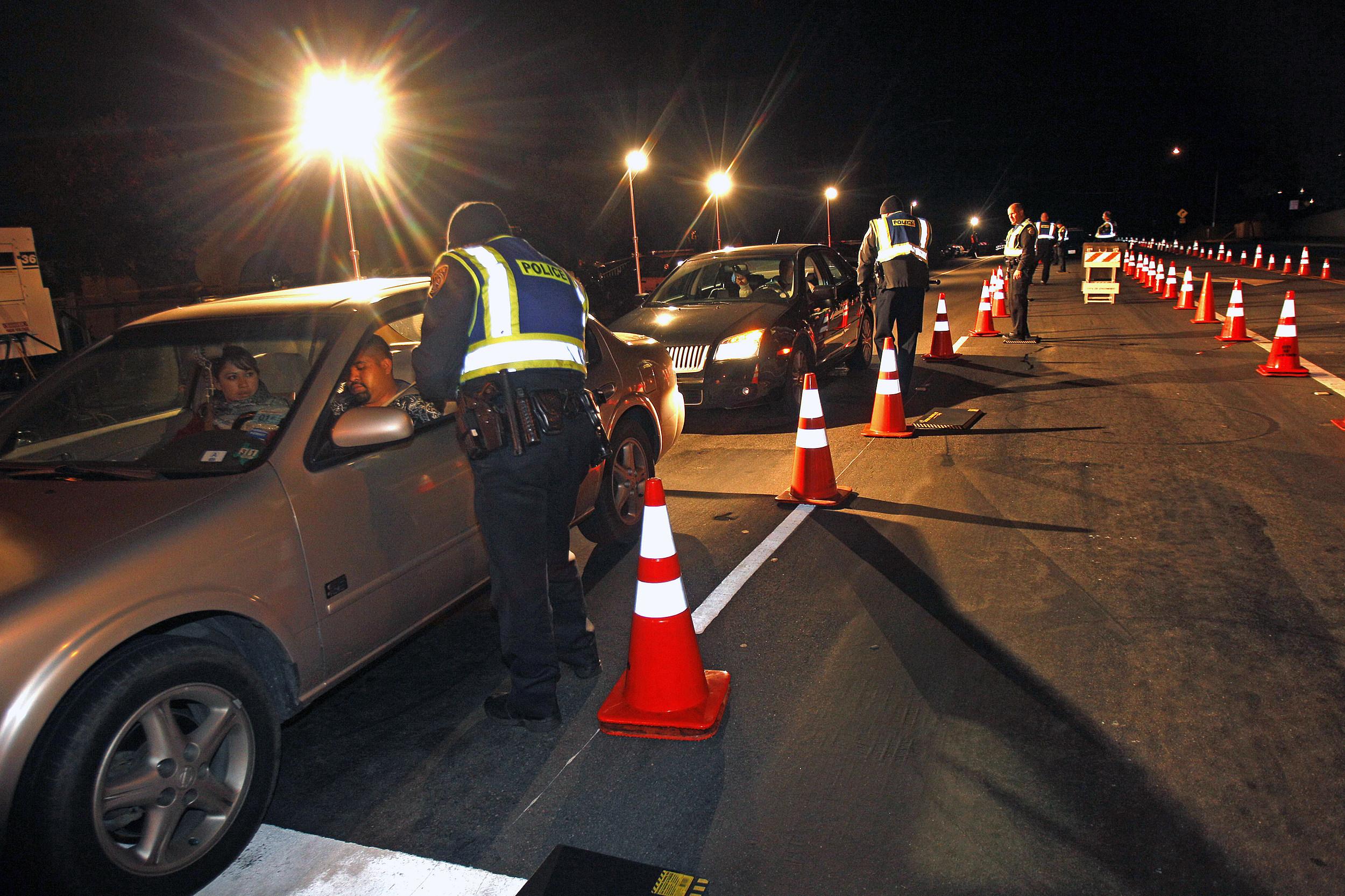
Sobriety checkpoints
Marked police vehicles
Concealed Identity Traffic Enforcement vehicles
Traffic stops for other violations that may reveal impaired driving
Enforcement against distracted and reckless driving
During the July 4 holiday enforcement period in 2026, New York State Police specifically warned drivers to expect sobriety checkpoints and additional DWI patrols.
A checkpoint also doesn’t necessarily mean every driver will be arrested or tested for alcohol. Officers may use the stop to look for signs of impairment and other traffic violations.
What Is Considered DWI in New York?
New York uses several different alcohol- and drug-related driving offenses.
For most drivers, a blood alcohol content (BAC) of .08% or higher can constitute DWI. New York also recognizes aggravated DWI at .18% BAC or higher. Drivers can also be charged with impairment below .08% when the evidence establishes that their ability to drive was impaired.
Drug impairment matters too.
Driving while impaired by cannabis or other drugs is illegal in New York. The fact that cannabis is legal for adults to possess does not mean it is legal to drive after consuming it while impaired. New York’s 2026 drug-impaired-driving campaign specifically included cannabis along with alcohol and other drugs.
You Don’t Have to Feel Drunk to Face a DWI Charge
This is something people sometimes misunderstand.
A person may think, “I only had a couple of drinks, so I can’t possibly be impaired.”
But impairment depends on many factors, including how much someone drank, how quickly they drank, their body weight, whether they ate, and other circumstances. New York DMV also makes clear that there is no quick trick for becoming sober. The body needs time to process alcohol.
So the safest approach during a holiday celebration is to plan transportation before drinking rather than trying to calculate later whether you’re safe to drive.
What Happens If You’re Arrested for DWI?
A DWI arrest can become much more serious than a traffic ticket.
For a first DWI or drug-impaired-driving conviction, New York currently lists a mandatory fine of $500 to $1,000, a possible jail term of up to one year, and at least a six-month license revocation. Additional surcharges and fees can also apply.
The consequences become more severe with repeat offenses.
For example, a second DWI or DWAI-Drug violation within 10 years can be an E felony, with fines of $1,000 to $5,000 and a possible prison sentence of up to four years.
That is why treating a DWI arrest like an ordinary traffic ticket can be a serious mistake.
What About Refusing a Chemical Test?
Another issue that can surprise drivers is chemical-test refusal.
New York imposes separate penalties when a driver refuses a chemical test. A refusal can lead to license revocation and civil penalties even though the refusal itself is different from a DWI conviction.
The consequences can become more severe when there has been a previous DWI-related charge or chemical-test refusal.
If you are arrested or asked to take a chemical test, it is important to understand that there are separate administrative and criminal consequences that may be involved.
A DWI Can Affect Your License
Losing your license can sometimes be more disruptive than the fine.
Think about someone who drives to work every day, takes children to school, or needs a car to care for a family member. A suspension or revocation can affect ordinary life very quickly.
New York DMV explains that alcohol- and drug-related convictions can result in suspension or revocation of driving privileges. Some people may later qualify for a conditional license after participating in the state’s Impaired Driver Program, depending on their circumstances.
Holiday Enforcement Also Targets More Than DUI
DWI enforcement campaigns aren’t limited to alcohol.
Police may also watch for speeding, reckless driving, distracted driving, seat-belt violations, and other traffic offenses.
During the 2026 Memorial Day enforcement campaign, New York State Police reported thousands of speeding and seat-belt tickets in addition to impaired-driving arrests.
So even if you’re completely sober, driving aggressively or using a handheld phone can still put you at risk of being stopped.
What Should You Do If You Are Pulled Over?
If an officer stops you during a holiday enforcement campaign, stay calm and follow the officer’s lawful instructions.
Don’t argue about the existence of the checkpoint or make the situation more difficult.
If the stop develops into a DWI investigation or arrest, the situation becomes more serious. You should be careful about making unnecessary statements about how much you drank or what you consumed, and you may want to speak with a qualified New York DWI attorney about your legal options.
A DWI case can involve several separate issues, including the traffic stop, field sobriety testing, chemical testing, probable cause, license consequences, and the prosecution itself.
What If You Were Not Actually Impaired?
An arrest does not automatically mean a person will be convicted.
There can be questions about whether the traffic stop was lawful, whether police had sufficient grounds to investigate, whether testing was properly conducted, and whether the evidence supports the charge.
The details matter.
That is especially true when a case involves conflicting evidence or questions about how an officer conducted the investigation.
Frequently Asked Questions (FAQs)
Does New York have more DUI checkpoints during holidays?
New York State Police and local agencies regularly conduct increased DWI enforcement around major holiday periods. Recent campaigns have included sobriety checkpoints and additional patrols.
Is driving after using cannabis illegal in New York?
Yes. Although adult cannabis use is legal under New York law, driving while impaired by cannabis or another drug remains illegal.
What is the legal BAC limit for most New York drivers?
For most drivers, a BAC of .08% or higher can constitute DWI. New York also has separate offenses for lower levels of alcohol-related impairment and a higher threshold for aggravated DWI.
Can I lose my license after a DWI?
Yes. A DWI conviction can result in license suspension or revocation, depending on the offense and the driver’s history. New York also has additional consequences for repeat offenses and chemical-test refusals.
Final Thoughts
Holiday DUI enforcement in New York is something drivers should take seriously, but it doesn’t mean the state has created a separate holiday version of DWI law.
The bigger difference is visibility.
There may be more patrol cars, checkpoints, and enforcement activity on the roads, particularly during major travel weekends. New York has repeatedly used these campaigns to target alcohol- and drug-impaired drivers, along with speeding, distracted driving, and other dangerous behavior.
If you’re going to celebrate, the easiest way to avoid a DWI problem is to decide how you’ll get home before you start drinking. A designated driver, taxi, rideshare, or another safe option is a much better plan than trying to figure it out after the party ends.
And if you are arrested for DWI, remember that an arrest is not the same thing as a conviction. The circumstances of the stop, testing, evidence, and your legal rights can all matter in what happens next.