Legal Rights During Natural Disasters in New York: What You Need to Know
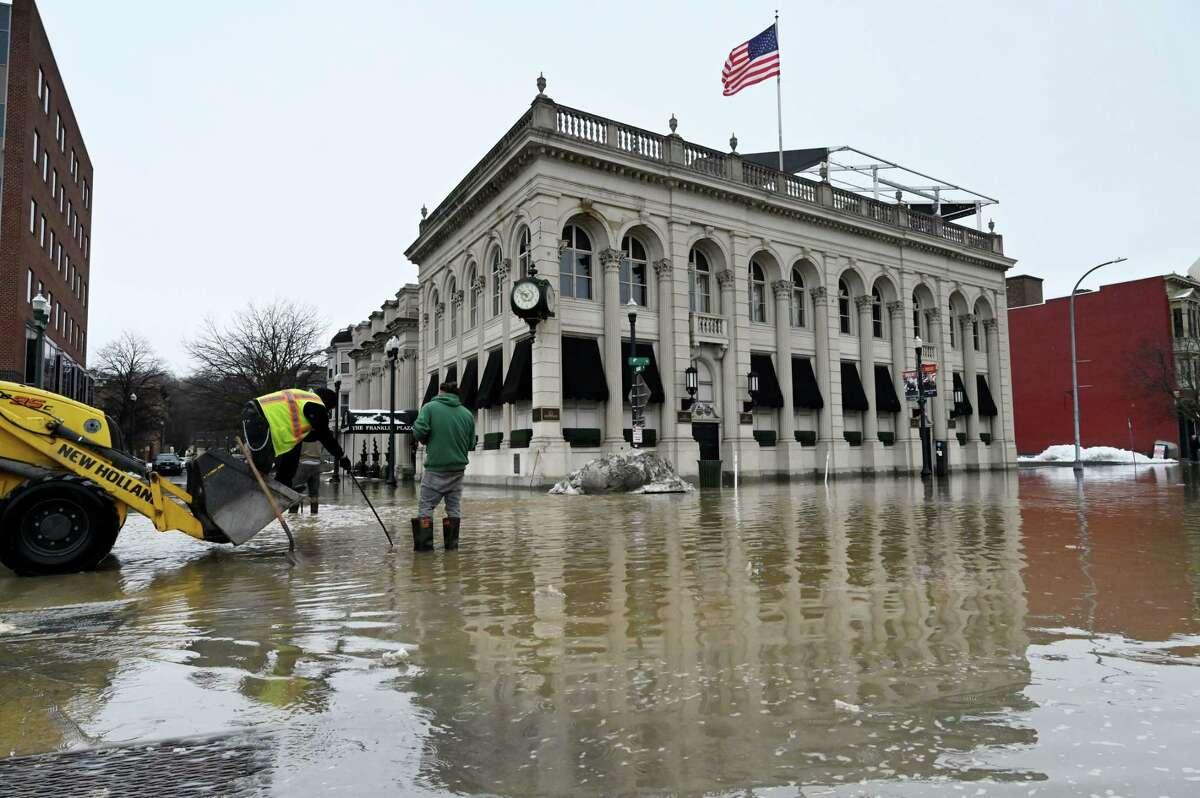
Natural disasters have a way of turning an ordinary week upside down. A winter storm can leave roads closed and homes without heat. A flood can damage everything from a basement to important personal documents. A fire, hurricane, or major power outage can suddenly leave families wondering where they are supposed to go and what happens to their rent, job, insurance, or property.
During those moments, most people aren’t thinking about the law. They’re thinking about staying safe.
But knowing your legal rights can become extremely important once the immediate danger has passed.
New York has laws and protections that can apply during and after emergencies, particularly when it comes to housing, employment, insurance, property damage, and access to essential services.
Your Right to a Safe and Livable Home
If a natural disaster damages your rental property, your landlord still has legal responsibilities.
New York’s warranty of habitability generally requires residential landlords to provide tenants with a safe, livable, and sanitary home. That includes essential services such as heat and hot water.
This can become especially important after a severe storm.
Imagine a winter storm knocks out heat in your apartment. You may be tempted to simply wait and hope the landlord gets around to fixing it. But New York law does not generally allow landlords to ignore serious habitability problems just because the damage happened during bad weather.
The specific rights and remedies can depend on the circumstances, the type of housing, and whether the problem can actually be repaired.
Landlords Still Have Responsibilities After a Storm
A disaster does not automatically erase a landlord’s responsibilities.
For example, after severe winter weather, property owners may have obligations concerning snow and ice removal and safe access to buildings. The New York Attorney General recently reminded tenants that landlords are responsible for maintaining safe conditions around residential buildings, including certain snow and ice removal responsibilities.
If a storm causes damage to a building, tenants should document what happened rather than relying only on a verbal conversation with the landlord.
Take photographs.
Keep emails and text messages.
Write down when the problem started.
Keep records of requests for repairs.
Those small details can become important later if there is a disagreement about what happened or who was responsible.
What Happens If Your Home Becomes Unlivable?
This is where things can become complicated.
If a natural disaster makes a rental home unsafe or impossible to live in, the tenant may have certain rights depending on the circumstances and the terms of the lease. Issues can include whether rent is still owed, whether repairs must be made, whether the lease can be terminated, and whether temporary housing is available.
There isn’t one answer that applies to every New York tenant.
A flooded basement is different from a completely destroyed apartment. A short-term power outage is different from major structural damage. Rent-regulated housing can also involve additional protections.
The New York Attorney General’s tenant guidance explains that different housing arrangements can be subject to different rules.
So before simply stopping rent payments or moving out permanently, it is usually worth finding out what rules apply to your particular situation.
You May Have Rights Against Illegal Eviction
Disaster situations can sometimes create another problem: housing pressure.
A landlord cannot simply decide that a tenant has lost all rights because the building was damaged.
New York tenants have protections against illegal lockouts and other unlawful attempts to remove them from their homes. The Attorney General’s office has recently taken action against property managers accused of changing apartment locks to force tenants out.
If someone changes your locks, removes your belongings, shuts off essential services, or tries to force you out without following the legal process, don’t assume you have no options just because the property has been affected by an emergency.
Your Insurance May Become Important
After a disaster, people often discover that they aren’t sure what their insurance actually covers.
Homeowners insurance and renters insurance are not the same thing. A homeowner’s policy may cover certain damage to the building, while renters insurance generally focuses on a tenant’s personal belongings and certain types of liability.
And then there are exclusions.
Flood damage, for example, may be treated differently from damage caused by wind or another covered event.
This is why reading the policy and reporting the loss promptly can matter. Keep photographs of damaged property, receipts when possible, repair estimates, and communications with the insurance company.
Don’t throw everything away immediately if it can be safely preserved for inspection.
Employees May Have Rights Too
Natural disasters don’t just affect homes. They can make it difficult or impossible for people to get to work.
Whether you can miss work, whether you must be paid, and whether your employer can discipline you for failing to report during an emergency depends on the circumstances and the law that applies.
New York also has laws dealing with emergency preparedness and workplace protections. For example, the state’s Emergency Preparedness Law requires covered public employers to maintain plans for continuing operations and protecting employees during certain declared emergencies.
Private employees may have different protections depending on the situation.
So if a disaster affects your workplace, don’t assume that “emergency” automatically means your employer can do whatever it wants.
What If a Disaster Is Declared by the Governor?
A formal disaster declaration can give the state government additional authority to respond to an emergency.
For example, New York’s Governor declared a statewide disaster emergency during severe winter weather in 2026. The declaration authorized state agencies to take action and temporarily modified certain laws and regulations where necessary to respond to the emergency.
That does not mean every ordinary law suddenly disappears.
Instead, emergency declarations can give government agencies additional tools to respond quickly, coordinate resources, and protect public safety.
The exact powers and temporary changes depend on the declaration itself.
Be Careful With Disaster-Related Scams
Unfortunately, disasters can bring out people who see an opportunity to take advantage of others.
Someone may promise to repair your roof for cash. Another person may claim they can speed up an insurance payment. Someone else might pretend to represent a government agency and ask for personal information.
New York’s Attorney General warns consumers about fraudulent and deceptive business practices and provides resources for protecting consumer rights.
If someone shows up immediately after a storm demanding a large deposit, take a step back.
Check who they are.
Get agreements in writing.
Keep receipts.
Don’t provide sensitive personal information simply because someone says they are helping with disaster recovery.
Document Everything After a Disaster
This may be one of the most practical things you can do.
When everything is happening at once, people tend to rely on memory. Months later, however, it can be difficult to remember exactly when the damage happened, who was contacted, what was promised, and what was repaired.
Create a simple record.
Take photographs and videos of damage.
Save insurance communications.
Keep receipts for emergency expenses.
Save messages from landlords, employers, contractors, and insurance companies.
Write down dates and important conversations.
The New York Attorney General has specifically encouraged tenants dealing with unsafe conditions to document problems and notify landlords in writing.
Don’t Assume Every Disaster Claim Is the Same
A hurricane, flood, winter storm, wildfire, apartment fire, and prolonged power outage can create very different legal questions.
The same is true for different people.
A homeowner may be dealing with an insurance claim. A tenant may be dealing with an unlivable apartment. A business owner may be worried about property damage and employees. A worker may be dealing with transportation problems or a workplace that has closed.
That’s why disaster-related legal questions often need to be looked at individually.
Frequently Asked Questions (FAQs)
Can a landlord stop providing heat after a natural disaster?
Generally, landlords still have obligations to provide essential services required by New York law, although the exact situation depends on the cause of the outage and the circumstances. New York requires residential landlords to maintain safe and livable housing, including required heat and hot water.
Can I stop paying rent if my apartment is damaged by a disaster?
Not automatically. Whether rent is still owed can depend on the extent of the damage, whether the apartment remains legally habitable, the terms of the lease, and other circumstances. Simply stopping payment without understanding your rights can create additional problems.
What should I do if my landlord refuses to make disaster-related repairs?
Start by documenting the damage and notifying the landlord in writing. Keep copies of your communications. If the problem isn’t addressed, you may be able to contact the appropriate local code-enforcement agency or housing authority. New York also provides information about housing legal services for tenants who qualify.
Does a disaster declaration eliminate my legal rights?
No. A disaster declaration gives government officials additional emergency powers and can temporarily modify certain laws or regulations, but it does not mean that residents lose all of their ordinary legal protections. The specific declaration determines what temporary changes apply.
Final Thoughts
Natural disasters don’t wait until everyone has their paperwork organized. They happen in the middle of ordinary life, leaving people to figure things out while dealing with damaged homes, lost belongings, interrupted work, and sometimes nowhere comfortable to stay.
That is why knowing your basic legal rights before you actually need them can make a stressful situation a little easier to manage.
For New Yorkers, housing protections, insurance rights, workplace rules, consumer protections, and emergency government powers can all become relevant after a disaster. The details depend heavily on what happened and where you live.
If your home has become unsafe, your landlord is refusing necessary repairs, your insurance claim is being disputed, your employer is threatening you over an emergency absence, or someone is trying to take advantage of the disaster, don’t assume you have no legal options.
Document what happened, keep your records, and get advice based on the specific facts of your situation.