Summer Driving Safety Laws in New York
Summer in New York usually means more people on the road. Families are heading out for vacations, teenagers are driving more during school break, motorcycles are everywhere, and weekend traffic can get surprisingly busy. Add construction, heat, long-distance trips, and holiday travel, and there are plenty of things drivers need to pay attention to.
New York doesn’t have one single “summer driving law.” Instead, several existing traffic and safety laws become especially relevant during the warmer months.
Summer Means More Traffic on New York Roads
One thing you notice pretty quickly in summer is that roads simply feel busier.
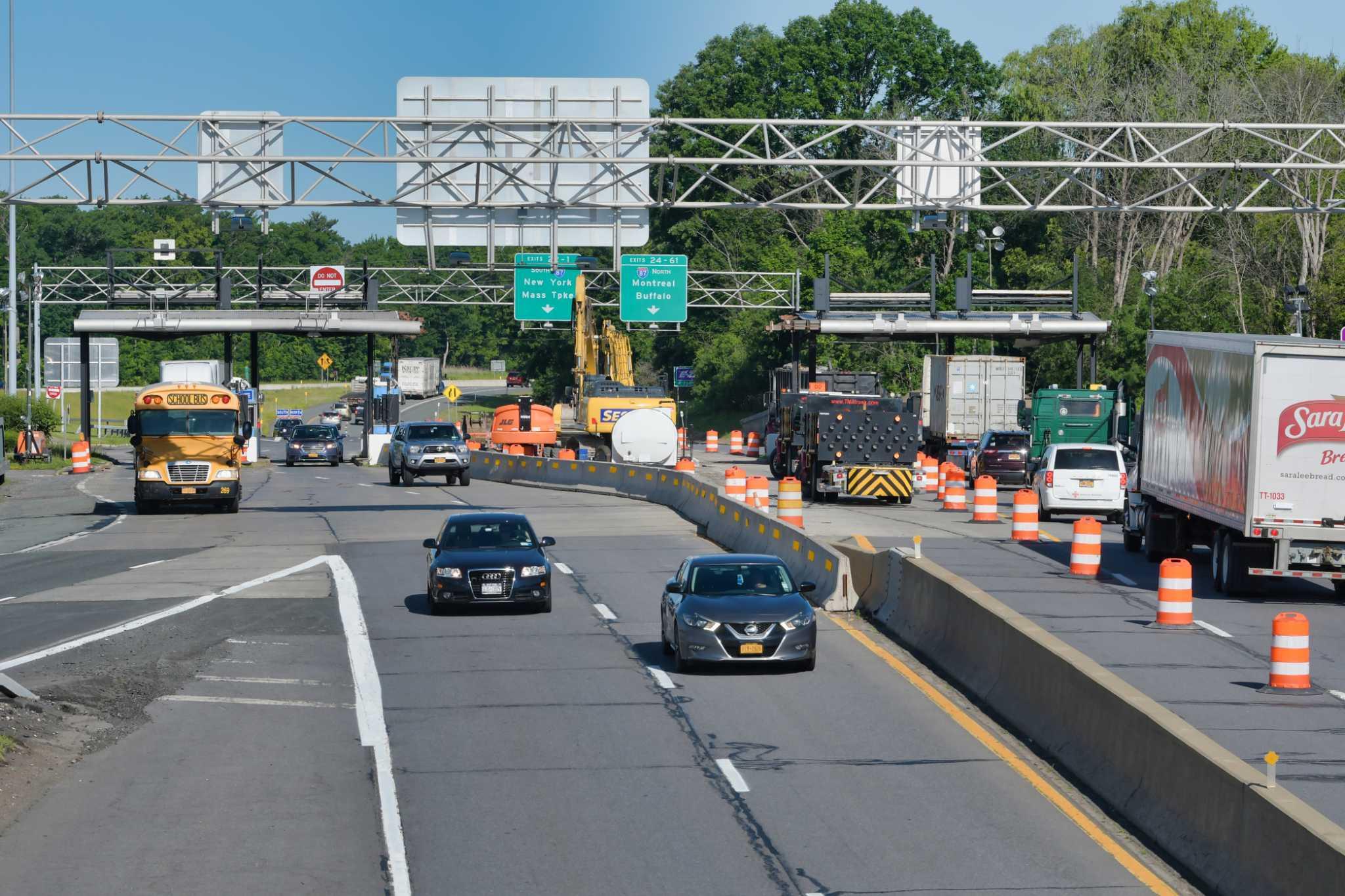
There are more vacation trips, motorcycles, bicycles, pedestrians, recreational vehicles, and drivers traveling through unfamiliar areas. New York also has major construction activity during the warmer months, which can create lane shifts, reduced speed limits, work zones, and sudden changes in traffic patterns.
Drivers are expected to follow posted signs and temporary traffic controls just like they would anywhere else.
And ignoring a temporary work-zone speed limit can become an expensive mistake.
Slow Down in Work Zones
Summer is a major road-construction season in New York. You may suddenly find yourself going from three lanes to one, passing workers close to traffic, or driving through a section where the normal speed limit has been reduced.
New York has enhanced penalties for certain work-zone violations, and drivers are expected to obey signs and directions from flaggers and other authorized personnel.
The best approach is pretty simple: slow down early rather than waiting until you’re already inside the construction area.
A few extra minutes is a lot better than dealing with a crash or a traffic ticket.
Move Over for Emergency and Roadside Vehicles
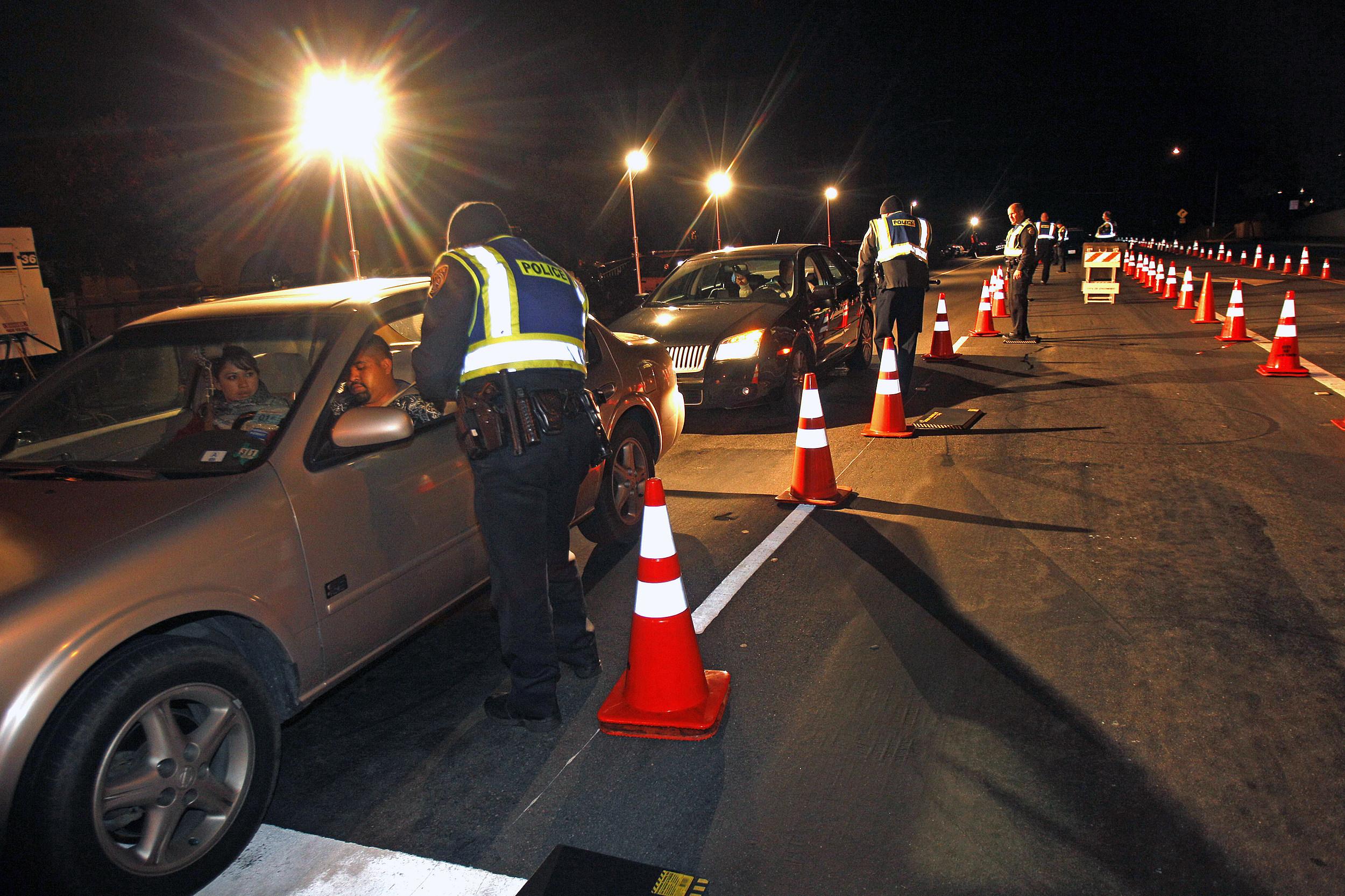
Summer breakdowns happen too. A car overheats on the highway, someone gets a flat tire, or a police officer pulls someone over on the shoulder.
New York’s Move Over Law requires drivers to exercise caution and, when possible, move from a lane adjacent to a stopped emergency or hazard vehicle. When changing lanes isn’t safe or practical, drivers must slow down and proceed cautiously.
The law covers more than just police cars.
Depending on the circumstances, protected vehicles can include emergency vehicles, tow trucks, highway maintenance vehicles, and other authorized vehicles displaying required lights.
Seeing flashing lights ahead should be a signal to slow down and give people working near traffic room.
Seat Belts Still Matter on Summer Trips
Long road trips can sometimes create a false sense of comfort. Everyone is relaxed, music is playing, and you’re thinking about getting to the destination.
But New York’s seat-belt laws don’t change because you’re on vacation.
New York requires drivers and passengers to use seat belts in situations covered by the state’s safety-belt laws. Children are also subject to specific child-restraint requirements.
That means a quick trip to the beach or a long drive across the state still requires everyone to be properly secured.
New York Child Car Seat Rules
Summer travel often means children are spending more time in cars, making child passenger safety especially important.
New York requires children to use appropriate child restraint systems based on their age and size. Children under certain age thresholds must be secured in an appropriate child restraint, and children who have outgrown child safety seats must use a booster seat until they meet the applicable requirements.
Parents should also follow the manufacturer’s instructions for installing the seat.
It can be tempting to think a short drive doesn’t matter.
Unfortunately, crashes don’t care how far you were planning to drive.
Don’t Leave Children or Pets in Hot Cars
New York has specific laws addressing children left unattended in vehicles, and other legal consequences may arise when leaving someone in a vehicle creates a serious risk.
Even when the weather doesn’t feel extremely hot outside, the inside of a parked vehicle can become dangerously hot very quickly.
The same concern applies to pets.
If you’re stopping somewhere during a summer trip, don’t assume cracking a window makes a parked vehicle safe.
Distracted Driving Is Still a Major Problem
Summer doesn’t make New York’s distracted-driving laws disappear.
Using a handheld phone while driving can result in a traffic violation. That includes activities such as talking, texting, emailing, or using the device for other purposes while operating the vehicle.
And realistically, summer creates even more distractions.
You’re checking directions.
You’re looking for a parking spot.
You’re trying to find the beach entrance.
Someone in the back seat is asking where you’re going.
That’s exactly when it becomes easy to look away from the road for a few seconds.
Those few seconds can be enough.
Be Careful Around Motorcycles and Bicycles
Warm weather brings more motorcycles and bicycles onto New York roads.
Drivers need to share the road and pay attention before changing lanes or turning. A motorcycle can be much harder to see than a larger vehicle, particularly in a blind spot.
Bicyclists also have legal rights on New York roads, and drivers should provide appropriate space when passing.
Don’t assume a cyclist or motorcyclist will simply get out of your way.
Give them room.
Summer Also Means More Pedestrians
Beaches, parks, downtown areas, festivals, restaurants, and tourist attractions can all bring more pedestrians onto the roads.
Drivers should be especially careful near crosswalks and intersections.
A person may step into a crosswalk unexpectedly, particularly in an area where visitors aren’t familiar with the traffic pattern.
Slowing down around busy pedestrian areas is one of those things that takes very little effort but can prevent a serious accident.
Don’t Drink and Drive
Summer celebrations often involve alcohol.
Memorial Day, Fourth of July, Labor Day, concerts, weddings, backyard parties, and other events can all lead to more impaired drivers on the road.
New York’s DWI laws apply regardless of the season. For most drivers, a blood alcohol concentration of .08% or higher can result in a DWI charge. Driving while impaired by drugs, including cannabis, is also illegal.
If you’re planning to drink, figure out how you’re getting home before you start drinking.
Waiting until the end of the night to make that decision is when bad choices tend to happen.
Watch Your Speed During Summer Travel
Speeding is one of those things that can happen without you really noticing.
The road is open.
Traffic is moving.
The weather is nice.
And suddenly you’re traveling well above the posted limit.
New York State and local law enforcement increase traffic enforcement during major travel periods, particularly around holidays. Speeding can lead to fines, points, higher insurance costs, and more serious consequences when it contributes to a crash.
The posted speed limit is the maximum legal speed under normal conditions, not a target you have to reach.
Check Your Vehicle Before a Long Trip
Not every summer driving problem is caused by another driver.
Heat can be hard on vehicles, especially when you’re driving long distances.
Before a major road trip, it makes sense to check your:
- Tires and tire pressure
- Brakes
- Engine fluids
- Battery
- Air conditioning
- Windshield wipers
- Lights
- Spare tire or emergency equipment
A mechanical problem on a busy highway can quickly become a safety issue.
And if your vehicle breaks down, get as far away from moving traffic as safely possible and use hazard lights when appropriate.
What Happens If You Get Into a Summer Car Accident?
The basic legal steps after a crash don’t change because it happens during summer.
If you’re involved in an accident, check for injuries first and call emergency services when necessary. Exchange information with the other driver and document the scene when it is safe to do so.
Take photographs of the vehicles, road conditions, traffic signs, and visible damage.
If there are witnesses, get their contact information.
And don’t assume that a seemingly minor accident won’t matter later. Some injuries don’t become obvious until hours or days afterward.
If another driver’s negligence caused your injuries, you may have legal options for seeking compensation. The specific deadlines and requirements depend on the circumstances of the accident.
Frequently Asked Questions (FAQs)
Are there special summer driving laws in New York?
New York does not have one general summer driving law. However, existing traffic, work-zone, child-safety, impaired-driving, distracted-driving, and Move Over rules become particularly important during the summer because of increased travel and road activity.
Can I get a ticket for not moving over for a stopped emergency vehicle?
Yes. New York’s Move Over Law requires drivers to take appropriate precautions when approaching certain stopped emergency and hazard vehicles. Depending on the circumstances, you may need to move to another lane or slow down significantly.
Are child car seat laws different during summer?
No. Child passenger safety requirements apply year-round. Going on vacation or taking a short summer trip does not change the rules regarding appropriate child restraints and seat belts.
Can I use my phone for GPS while driving in New York?
New York’s distracted-driving laws restrict the use of handheld mobile devices while driving. If you need navigation, set it up before driving or use a properly configured hands-free system rather than handling the phone while the vehicle is moving.
Final Thoughts
Summer driving in New York can be enjoyable, but the roads can get unpredictable quickly. More traffic, construction zones, motorcycles, bicycles, pedestrians, holiday travelers, and impaired drivers all create situations that require a little extra attention.
Most of these laws aren’t complicated. Slow down in work zones. Move over for stopped emergency vehicles. Buckle everyone in. Use the right child restraint. Put the phone away. Never drive while impaired.
And if something does go wrong, knowing your rights and responsibilities can make the situation much easier to handle.
The goal isn’t to spend your summer worrying about traffic laws. It’s simply to know the rules well enough that you can enjoy the road without turning a summer trip into a legal or financial headache.