Tax Season Legal Scams in New York
Tax season is stressful enough without wondering whether that email, phone call, or text message you just received is actually from the IRS. Unfortunately, scammers know this. They know people are waiting for refunds, worrying about tax bills, and looking for someone to help prepare their returns.
In New York, tax-related scams can take several forms. Some scammers pretend to be IRS officials. Others pose as tax preparers, send fake refund notices, or use convincing emails and phone calls to collect personal information. New York Attorney General Letitia James has also warned residents about newer scams using artificial intelligence to make fake messages, videos, and phone calls look much more believable.
Fake IRS Calls Are Still Common
One of the oldest tricks is still one of the most effective.
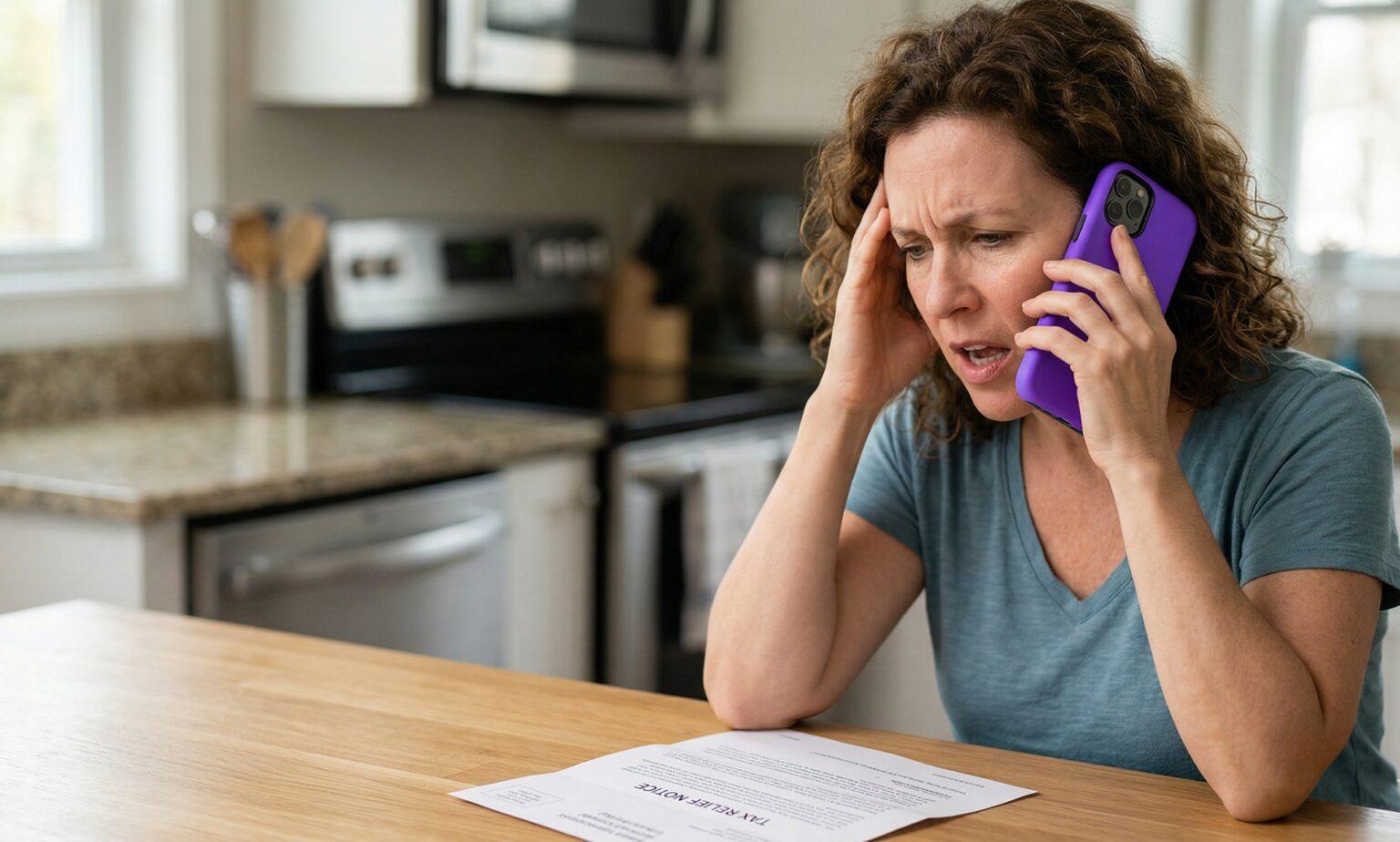
You receive a call from someone claiming to be an IRS representative. They tell you that you owe back taxes and need to pay immediately. Sometimes they threaten arrest, deportation, loss of your driver’s license, or other serious consequences.
The caller may even make the phone number appear legitimate through caller-ID spoofing.
The New York Attorney General’s Office warns that legitimate government agencies do not demand immediate payment through gift cards, prepaid cards, wire transfers, or cryptocurrency. The IRS also generally communicates tax debts through official notices rather than making threatening surprise calls.
If someone calls and tells you that you have only minutes to pay or the police will come, that pressure itself is a major warning sign.
Fake Tax Refund Scams
Not every scammer claims that you owe money.
Sometimes they tell you the opposite.
A message may say that your tax refund has been approved and ask you to “verify” your Social Security number, bank account information, or other personal details before the money can be deposited.
It can look surprisingly real.
The problem is that the information you provide may be enough for someone to steal your identity or access your financial accounts.
New York officials specifically warn consumers about unsolicited calls, texts, and emails requesting personal or financial information related to tax refunds.
AI Is Making Tax Scams Harder to Recognize
This is one area where tax scams have changed.
Scammers can now use AI to create convincing emails, fake videos, and cloned voices. A person may receive a phone call that sounds like a tax professional or government official, even though the person on the other end isn’t who they claim to be.
New York’s Attorney General warned residents about AI-powered tax scams, including fake videos of public figures, highly convincing phishing emails, and AI-generated phone calls impersonating IRS officials or tax preparers.
So relying only on grammar mistakes or an obviously strange voice isn’t enough anymore.
If something feels urgent or unusual, verify it independently.
Fake Tax Preparation Services
Scams don’t always come from someone pretending to be the government.
A person may advertise “free tax preparation” or promise to get you a much larger refund than another preparer. You might agree to use the service, only to discover later that there are unexpected fees or that the preparer entered questionable information on your return.
New York advises taxpayers to check a preparer’s qualifications and history, review the entire return before signing it, and make sure the preparer signs the return and includes their Preparer Tax Identification Number, or PTIN.
Never sign a tax return you haven’t reviewed.
You are ultimately responsible for the information submitted under your name, even if somebody else prepared the return.
“Pay Now or You’ll Be Arrested” Is a Red Flag
This deserves its own section because fear is one of the scammer’s favorite tools.
A legitimate tax problem can certainly result in serious consequences, but a caller demanding immediate payment through a gift card or cryptocurrency while threatening to have you arrested is not how legitimate tax collection works.
The New York Attorney General specifically warns that government organizations will not threaten arrest or deportation and then demand that a consumer pay through a prepaid card, gift card, wire transfer, or cryptocurrency.
Don’t let the urgency make the decision for you.
Hang up. Find the agency’s official contact information yourself and verify whether there is actually a tax issue.
What If Someone Steals Your Identity During Tax Season?
Tax scams can become identity theft cases.
A scammer may collect your Social Security number, date of birth, address, banking information, or other identifying details and use them to file fraudulent tax returns or commit other types of financial fraud.
The IRS warns taxpayers about schemes involving stolen personal information and fraudulent tax filings.
If you believe someone has used your information to file a fraudulent return, don’t simply wait to see what happens. Start documenting what occurred and report the suspected identity theft through the appropriate government channels.
What Should You Do If You Think a Tax Scam Targeted You?
First, don’t panic.
If you haven’t sent money or provided information, stop communicating with the person. Don’t click suspicious links, don’t download attachments, and don’t call the number included in a suspicious message.
Instead, independently locate the official contact information for the IRS or New York agency involved.
If you’ve already provided personal information or sent money, keep copies of emails, texts, receipts, phone numbers, payment records, and screenshots. That information may become useful when reporting the fraud or trying to recover your losses.
New Yorkers who believe they have been targeted by a tax scam can report suspected fraud to the New York Attorney General’s Office. The office also advises reporting tax scams to the U.S. Treasury Inspector General for Tax Administration.
Be Careful With “Free” Tax Services
“Free” can be a powerful word during tax season.
Some offers may genuinely be free, but others may come with hidden fees, expensive refund-related products, or loans carrying significant costs.
New York officials recommend checking exactly what a tax preparation service includes and reviewing all fees before agreeing to anything. Legitimate free filing and Volunteer Income Tax Assistance programs are also available for qualifying taxpayers.
If somebody refuses to explain the fee before preparing your return, that’s a reason to step back.
Frequently Asked Questions (FAQs)
How can I tell if an IRS call is a scam?
Be especially cautious if the caller threatens immediate arrest, demands payment through a gift card or cryptocurrency, or asks for sensitive financial information. Instead of using the phone number provided by the caller, contact the IRS through an official channel you locate independently.
Can a fake tax preparer be held legally responsible?
Potentially, yes. Tax preparers can face legal and regulatory consequences for fraudulent or deceptive conduct. If a preparer intentionally misleads you, steals your money, misuses your information, or prepares a fraudulent return, the circumstances may justify reporting the conduct and seeking legal advice.
What should I do if I gave a scammer my Social Security number?
Act quickly. Keep records of what happened and consider taking steps to protect your identity and financial accounts. If the information was used for tax fraud, report the suspected identity theft through the appropriate tax authorities and consider getting legal advice about your specific situation.
Can I report a tax scam in New York?
Yes. New Yorkers can report suspected scams to the New York Attorney General’s Office. Tax scams can also be reported to the U.S. Treasury Inspector General for Tax Administration. The New York Attorney General’s Office lists 1-800-771-7755 for consumer complaints.
Final Thoughts
Tax season scams work because they catch people at exactly the wrong moment. You’re already thinking about deadlines, refunds, paperwork, and whether you owe money. A scammer only needs to sound official enough to make you react before you stop and think.
That’s why slowing down is often your best protection.
Don’t let a threatening phone call push you into sending money. Don’t trust an unexpected refund message just because it uses your name. Don’t hand over your Social Security number simply because an email looks professional. And don’t assume a person offering tax preparation is legitimate without checking who they are.
For New Yorkers, staying cautious during tax season isn’t about being suspicious of every message. It’s about knowing that legitimate tax agencies have established procedures—and when someone tries to bypass those procedures with pressure, secrecy, or unusual payment demands, that’s when you should stop and verify what’s really happening.