Back-to-School Legal Issues
Back-to-school season usually means shopping for notebooks, checking bus schedules, filling out forms, and trying to get everyone back into a routine. Legal issues probably aren’t the first thing on a parent’s mind.
But once school starts, questions about attendance, transportation, bullying, special education, student safety, discipline, and school responsibilities can come up quickly. Knowing where parents and students stand can make it easier to recognize when a normal school problem may have become a legal issue.
School Attendance Is a Legal Responsibility
New York has compulsory education requirements, so parents and guardians can’t simply decide that a school-age child will stop attending school without consequences.
Attendance can become particularly important when a student has repeated absences or when a family is dealing with circumstances that make regular attendance difficult. New York law also addresses a student’s physical and mental condition when determining whether they are able to attend instruction safely.
That doesn’t mean every absence becomes a legal problem. Illness, family circumstances, and other legitimate situations can affect attendance. The important thing is communicating with the school and understanding the applicable district policies.
School Bus Safety Is a Legal Issue Too
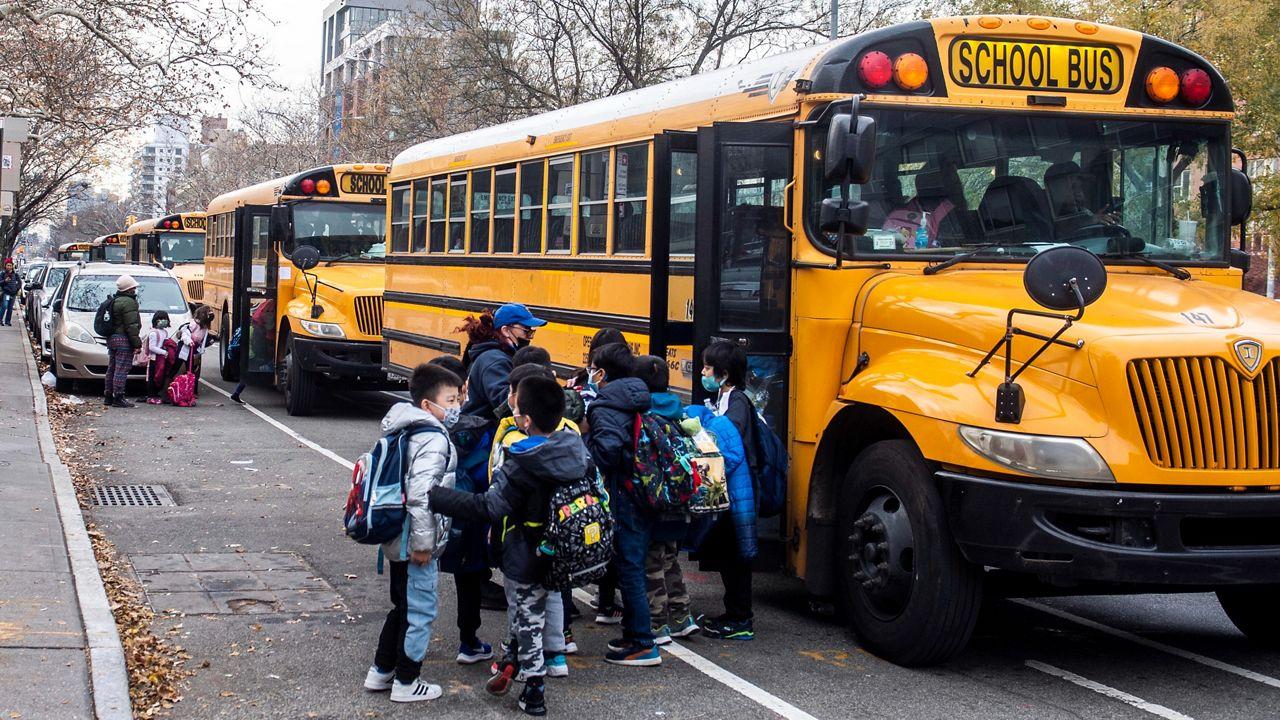
For many families, the school bus is where the school day begins.
New York takes school-bus safety seriously. Drivers are required to stop when a school bus is stopped for the purpose of picking up or dropping off students and has its red lights flashing. Passing a stopped school bus can result in fines, points, and potentially other penalties.
New York also allows certain school districts and municipalities to use stop-arm cameras to identify vehicles that illegally pass stopped school buses.
This matters even if you’re running late for work and think you’ll only be passing the bus for a second.
A few seconds can result in a serious traffic violation.
Special Education Rights Matter
Back-to-school can be especially complicated for families whose children receive special education services.
New York school districts have responsibilities to identify, evaluate, and provide appropriate educational services to students with disabilities. State law specifically addresses the duties of school districts regarding students who need special education.
If your child has an Individualized Education Program, commonly called an IEP, the beginning of the school year is a good time to make sure the school actually understands the services and accommodations included in it.
An IEP isn’t just a suggestion.
If there are services your child is supposed to receive, parents should pay attention to whether those services are actually being provided.
What About Transportation for Students With Disabilities?
Transportation can be part of a student’s educational needs.
New York’s education regulations specifically address transportation for students and include requirements concerning school bus drivers, monitors, attendants, and students. For children with special needs, an attendant may have responsibilities connected to safely boarding and leaving the bus and assisting with the child’s needs.
This can become a real issue when a child is regularly arriving extremely late, spending an unreasonable amount of time on transportation, or isn’t receiving transportation services described in their educational plan.
Recent concerns about lengthy transportation for young students with disabilities in New York have also highlighted why transportation isn’t simply a convenience for some students—it can be an important part of accessing their education.
Bullying and Student Safety
Not every disagreement between students is legally considered bullying.
But repeated harassment, threats, physical aggression, or conduct that creates a serious safety concern should not simply be brushed off as “kids being kids.”
Parents should document what happened, when it happened, who was involved, and how the school responded.
Keep emails.
Keep messages.
Write down conversations with teachers or administrators.
If the situation becomes more serious later, having a clear record can be much more useful than trying to remember everything months afterward.
School Discipline Can Raise Legal Questions
Schools have authority to establish rules and discipline students who violate them, but discipline still has to comply with applicable laws and school policies.
For parents, the important thing is understanding what actually happened before reacting.
A suspension, disciplinary hearing, or other serious school action can have consequences beyond a single day away from class. If your child is facing significant disciplinary action, review the notice from the school and understand what rights and procedures apply before assuming there is nothing you can do.
Student Privacy Is Another Concern
Students have privacy rights too.
Schools collect a surprising amount of information about children, including academic records, disciplinary information, health-related information, and other personal details.
Parents should know what information the school is requesting and why, particularly when forms or records involve sensitive personal information.
If you are uncomfortable with a request, don’t simply ignore it. Ask the school what information is being collected, who will have access to it, and how it will be used.
What Happens If a Student Is Injured at School?
A playground accident, sports injury, slip and fall, or injury during another school activity doesn’t automatically mean the school is legally responsible.
The circumstances matter.
Questions may include what happened, whether school staff were supervising, whether the school knew about a dangerous condition, whether reasonable safety procedures were followed, and whether another person’s conduct caused the injury.
If a child suffers a serious injury, parents should obtain medical care and preserve relevant information about the incident.
Ask the school whether an incident report was prepared and keep copies of medical records and related communications.
Parents Should Keep Their Own Paper Trail
This may sound boring, but it can save a lot of frustration later.
When you’re dealing with a school issue, keep important emails, letters, IEP documents, attendance records, disciplinary notices, transportation information, and written communications with school officials.
If someone tells you something important over the phone or in person, consider following up with a short email confirming your understanding.
That creates a written record without turning every conversation into an argument.
Frequently Asked Questions (FAQs)
Can a parent challenge a school decision in New York?
Potentially, yes. The available process depends on the type of decision involved. Special education disputes, disciplinary actions, transportation problems, and other school issues can have different procedures and deadlines. Parents should review the school’s written decision and applicable district or state rules.
What should I do if my child is being bullied?
Start by documenting what is happening and report the situation to the school. Keep copies of your communications and note how the school responds. If the conduct involves threats, physical violence, or another serious safety concern, additional legal options may need to be considered.
What if my child’s IEP services aren’t being provided?
Start by reviewing the IEP and identifying exactly which services or accommodations aren’t being provided. Communicate with the school in writing and keep records of missed or inadequate services. If the issue isn’t resolved, parents may have formal special-education dispute-resolution options.
Can I sue a school if my child gets injured?
Possibly, but an injury by itself doesn’t establish legal liability. The facts surrounding the accident matter, including whether the school or another party acted negligently and whether the responsible party had a legal duty to the child. Government entities can also have special notice and procedural requirements.
Final Thoughts
Back-to-school season is supposed to be about getting children ready for another year of learning. Still, things don’t always stay that simple.
A transportation problem can turn into a safety concern. A discipline issue can become much more serious than expected. A child who needs special education services may not be receiving everything listed in their plan. And something that starts as a bullying complaint can eventually become a much bigger problem if nobody addresses it.
Parents don’t need to treat every school disagreement like a lawsuit. But they should know when something deserves closer attention.
Keep records, communicate with the school, read important documents carefully, and don’t be afraid to ask questions when something doesn’t seem right. When a child’s education, safety, or legal rights are involved, understanding the rules early can make a difficult situation much easier to navigate.