Employment Law in Rochester: Laws, Rights and Legal Options
Most people do not think much about employment law when they start a new job. They are usually thinking about the position, the schedule, the paycheck, and whether the workplace seems like a good fit. Legal questions often come up later—perhaps a paycheck is missing overtime, a supervisor treats one employee differently, someone is fired after making a complaint, or an employee needs an accommodation at work. Understanding Employment Law in Rochester can help workers recognize when an ordinary workplace problem may have become a legal issue.
Because Rochester is in New York, employees are protected by a combination of New York State and federal employment laws. The specific rights involved depend on what happened, the type of employer, the worker’s position, and other circumstances.
Wages and Overtime in Rochester
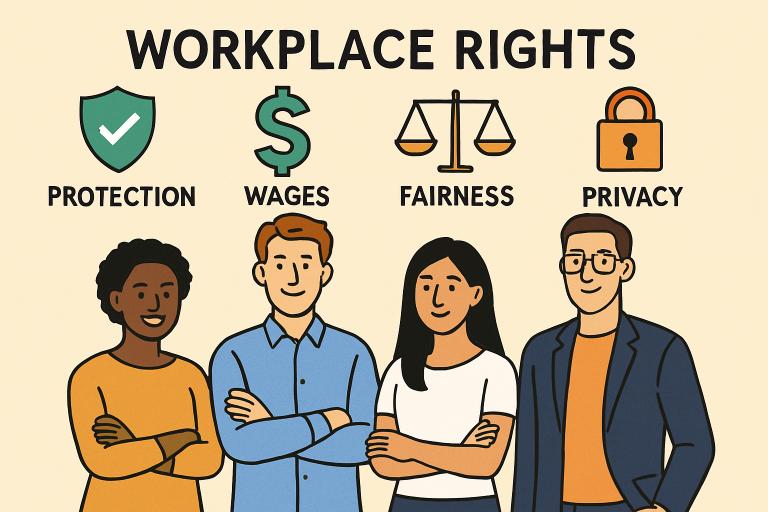
Pay is one of the most common employment-law concerns. As of January 1, 2026, the basic minimum wage in Rochester and other areas outside New York City, Long Island, and Westchester is $16 per hour. Different rules can apply to certain tipped workers and particular industries.
Overtime is another area where misunderstandings can happen. Most employees covered by the applicable wage laws must receive overtime pay when they work more than 40 hours in a week, although exemptions exist.
For example, an employee who regularly stays late but continues receiving the same straight-time pay may want to check whether those additional hours should have been paid at an overtime rate. New York’s Department of Labor accepts claims involving unpaid wages, minimum wage, overtime, illegal deductions, and certain unpaid wage supplements.
Workplace Discrimination and Harassment
New York law prohibits employment discrimination based on a range of protected characteristics. These include race, color, religion, sex, sexual orientation, gender identity or expression, national origin, disability, age, marital status, military status, pregnancy-related conditions, citizenship or immigration status, and other categories recognized by the New York Human Rights Law.
Discrimination can occur in different parts of employment. It may involve hiring, pay, promotion, job assignments, discipline, termination, or other terms and conditions of employment.
Harassment can also become a legal issue when it is connected to a protected characteristic or otherwise violates applicable law. A worker who notices a repeated pattern of inappropriate comments, unequal treatment, or unwanted conduct may want to document what happened rather than relying only on memory later.
Retaliation After Making a Complaint
Sometimes the original workplace problem is not the only concern. What happens after an employee speaks up can matter too.
New York law protects workers from retaliation for certain protected activities, including reporting possible labor-law violations. Retaliation can take forms such as termination, reduced hours, undesirable scheduling, demotion, discipline, or other negative employment actions.
There are also protections against retaliation for opposing discriminatory practices or participating in a discrimination proceeding. The New York Division of Human Rights specifically notes that retaliation can be a separate claim from the underlying discrimination complaint.
That is why keeping copies of complaints, emails, messages, schedules, performance reviews, and other relevant records can be important.
Leave, Disability and Workplace Accommodations
Employment law can also become important when an employee needs time away from work or an adjustment to perform their job.
Depending on the circumstances, employees may have rights relating to disability accommodations, pregnancy-related conditions, family or medical leave, sick leave, and other protected absences. New York’s Human Rights Law includes disability and pregnancy-related protections and can require reasonable accommodation in qualifying situations.
An employee who needs an accommodation should consider making the request clearly and keeping a record of the request and the employer’s response. The appropriate process can vary depending on the situation, so legal advice may be useful when an accommodation is denied or an employee experiences negative treatment afterward.
Wrongful Termination in Rochester
Being fired does not automatically mean an employer violated employment law. Employers may have legitimate reasons for terminating an employee, and New York generally follows an at-will employment system.
However, a termination can raise legal concerns if it was connected to discrimination, retaliation, certain protected complaints or activities, or another violation of applicable law.
For example, if an employee is dismissed shortly after reporting unpaid wages, the timing may be relevant, although timing alone does not establish a legal violation. Similarly, termination following a discrimination complaint may raise retaliation concerns depending on the facts.
A lawyer can review the circumstances, employment records, communications, and timeline to determine what legal issues may be present.
Independent Contractors and Employee Misclassification
Another employment-law issue involves how a worker is classified.
Some businesses classify workers as independent contractors even when the actual working relationship may meet the legal definition of employment. Classification can affect minimum wage, overtime, workers’ compensation, unemployment benefits, taxes, and other protections.
New York’s Attorney General notes that employers cannot avoid labor laws simply by paying workers off the books or incorrectly treating an employee as an independent contractor.
If you are unsure about your classification, looking at the actual working relationship—not just the title written on a contract—can be important.
What Legal Options Do Rochester Workers Have?
A workplace dispute does not always have to begin with a lawsuit. Depending on the issue, a worker may be able to raise the matter internally, file a complaint with the New York State Department of Labor, report discrimination to the New York State Division of Human Rights, contact a federal agency, or pursue a private legal claim.
For wage problems, NYSDOL accepts complaints involving unpaid wages, overtime, illegal deductions, and certain other labor-law violations.
For employment discrimination, the New York Division of Human Rights accepts employment complaints involving employees, applicants, domestic workers, interns, volunteers, and certain non-employees working at an employer’s site.
The right option depends heavily on the facts and applicable deadlines. Waiting too long can affect a person’s ability to pursue a claim, so it is worth looking into the issue promptly.
When Should You Talk to an Employment Lawyer?
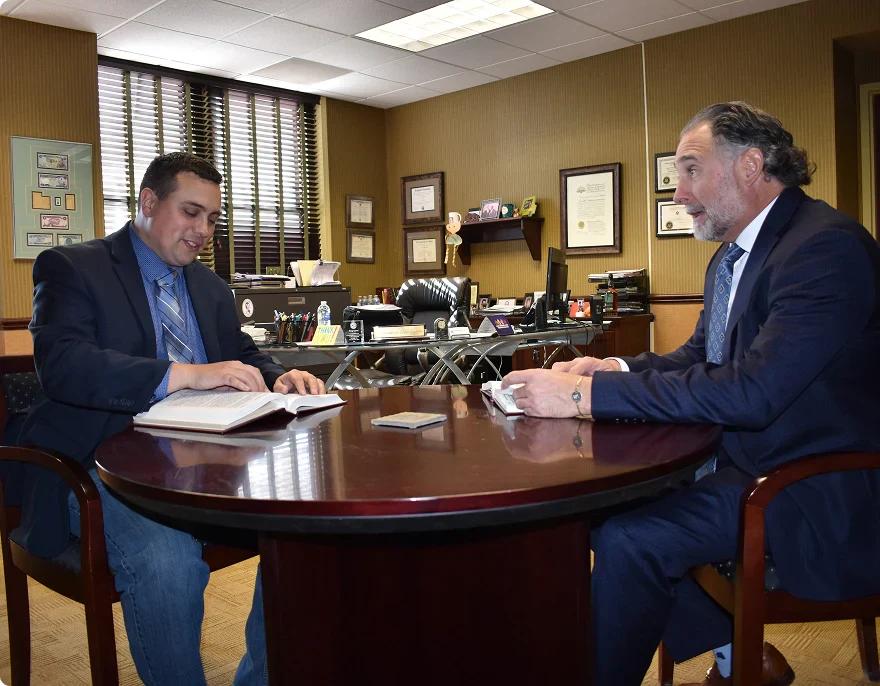
You do not necessarily need an attorney for every workplace disagreement. But legal advice may be useful when the situation involves termination, significant unpaid wages, discrimination, harassment, retaliation, denial of an accommodation, misclassification, or a dispute involving an employment agreement.
Before meeting with a lawyer, gather useful records such as pay stubs, employment agreements, schedules, emails, text messages, disciplinary notices, performance reviews, and written complaints. A simple timeline of important events can also help explain what happened.
The goal is not to turn every workplace problem into a lawsuit. It is to understand your rights and the options available before making an important decision.
4 FAQs About Employment Law in Rochester
1. What employment laws protect workers in Rochester?
Rochester workers may be protected by New York State and federal laws covering wages, overtime, discrimination, harassment, retaliation, leave, disability accommodations, and other workplace issues. The protections available depend on the facts of the employment situation.
2. Can I file a claim if my Rochester employer does not pay overtime?
Possibly. Most covered employees are entitled to overtime for hours worked over 40 in a workweek, subject to applicable exemptions. New York’s Department of Labor accepts certain unpaid-wage and overtime claims.
3. What should I do if I believe I am being discriminated against at work?
Keep records of what happened, including dates, people involved, relevant communications, and how similarly situated workers were treated. Depending on the circumstances, you may be able to use your employer’s internal complaint process or report the matter to the New York State Division of Human Rights or another appropriate agency.
4. Can an employer retaliate against me for reporting a labor-law violation?
New York law prohibits retaliation against workers for certain protected complaints and activities. Retaliation can include termination, reduced hours, schedule changes, discipline, demotion, or other adverse actions.
Final Thoughts
Employment problems can start with something that seems small—a missing payment, an uncomfortable comment, a denied request, or a sudden change in treatment at work. Sometimes it is simply a workplace disagreement. Other times, the details point to a legal issue.
Knowing the basic employment protections available in Rochester gives workers a starting point. If the situation involves substantial unpaid wages, discrimination, retaliation, harassment, termination, or another serious dispute, speaking with an employment lawyer can help clarify what rights and legal options may apply.