Employment Law in Buffalo: Laws, Rights and Legal Options
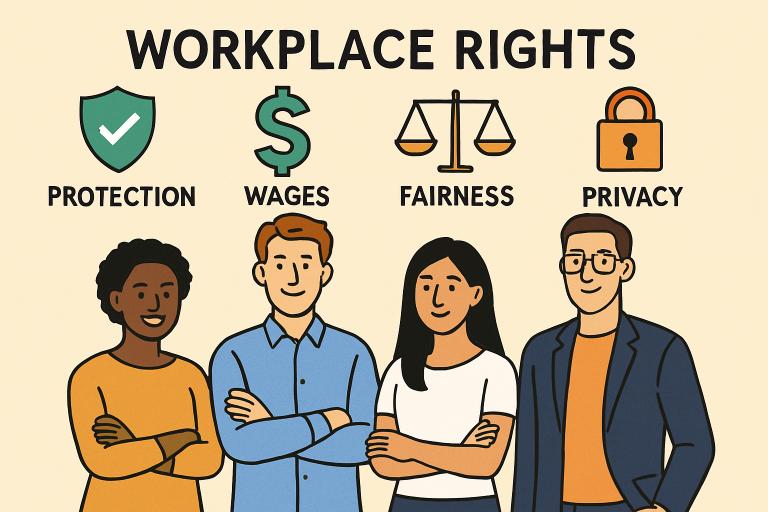
Work can become stressful quickly when something does not feel right. Maybe your paycheck is short, you are being treated differently from coworkers, you reported a problem and suddenly your hours changed, or you were fired without a clear explanation. Knowing the basics of Employment Law in Buffalo can help workers understand what rights they may have and what legal options could be available.
Employment matters in Buffalo are generally governed by a combination of New York State and federal laws, along with certain local protections. The right answer can depend heavily on what happened, when it happened, and whether there was an employment contract or another specific legal protection involved.
Wage and Overtime Rights
Getting paid correctly is one of the most basic workplace rights. New York labor laws cover minimum wage, overtime, pay frequency, wage statements, meal periods, and other wage-related requirements. The New York State Department of Labor also accepts complaints involving unpaid wages, overtime, illegal deductions, and certain other labor violations.
For many covered employees, working more than 40 hours in a workweek can trigger overtime at one-and-a-half times the regular rate. There are exceptions, particularly for employees classified as exempt under applicable law, so job title alone does not necessarily answer the question.
If your paycheck does not match the hours you worked, keep your pay stubs, schedules, time records, and messages with your employer. Those details can become important if you decide to pursue a wage claim.
Workplace Discrimination
New York workers are protected against employment discrimination based on various protected characteristics. These protections can apply to hiring, firing, compensation, promotions, and other terms and conditions of employment. Protected characteristics under New York law include areas such as race, disability, national origin, sex, sexual orientation, gender identity or expression, age, marital status, military status, and others.
Discrimination is not always obvious. It might involve being repeatedly passed over for promotions, receiving different workplace treatment, inappropriate comments, unequal pay, or losing a job after raising concerns about discriminatory conduct.
Keeping a record of what happened can be helpful. Write down dates, names, conversations, emails, messages, performance reviews, and other information that may show a pattern.
Retaliation After Reporting a Problem
One situation workers sometimes overlook is retaliation.
Suppose you complain about unpaid wages, report a labor-law violation, participate in an investigation, or exercise a protected workplace right. If your employer then cuts your hours, changes your schedule, disciplines you, reduces your pay, demotes you, or terminates you because of that protected activity, the situation may raise a retaliation issue. New York law prohibits retaliation for certain complaints and protected activities.
The timing can matter, but timing alone does not automatically prove retaliation. Other facts surrounding the employment decision are important too.
Wrongful Termination in Buffalo
New York is generally an at-will employment state. This means that, when there is no contract or other legal restriction changing the relationship, an employer can generally terminate an employee at any time and for any lawful reason—or no stated reason. However, an employer cannot use an illegal reason, such as unlawful discrimination or prohibited retaliation.
That distinction is important. Being fired unfairly or unexpectedly does not automatically mean a wrongful-termination claim exists. A lawyer may need to look at the reason for the termination, what happened before the termination, company policies, communications, and whether a protected right was involved.
Pay Transparency and Hiring
Employment law can also affect workers before they even start a job.
New York’s pay-transparency requirements require covered employers with four or more employees to include compensation ranges in certain job advertisements, promotions, and transfer opportunities. The law also protects employees and applicants from retaliation for requesting this information.
For someone applying for jobs in Buffalo, this can make the advertised pay range an important part of evaluating an opportunity.
What Should You Do If You Think Your Rights Were Violated?
The first step is usually to preserve information rather than immediately deleting messages or throwing away paperwork.
Save:
- Pay stubs and wage statements
- Work schedules and time records
- Employment agreements
- Emails and text messages
- Performance reviews
- Written warnings or disciplinary notices
- Job advertisements
- HR complaints and responses
- Names of people who witnessed important events
You may also have administrative options. For example, the New York State Department of Labor handles various wage and labor complaints, while the New York State Division of Human Rights handles certain discrimination complaints. Some employment disputes may also be pursued through a private legal claim.
Because employment claims can have different filing deadlines and procedures, waiting too long can create problems.
When Should You Talk to an Employment Lawyer?
You do not necessarily need a lawyer for every workplace disagreement. But speaking with one can be useful when the situation involves termination, discrimination, harassment, retaliation, significant unpaid wages, a contract dispute, or another issue where the consequences could be serious.
A Buffalo employment lawyer can review the facts, explain which laws may apply, discuss possible administrative or court options, and help you understand what evidence could matter. You can also ask whether the attorney believes negotiation, an agency complaint, or litigation makes sense for your particular situation.
The New York Attorney General also notes that workers have rights relating to wages, benefits, leave, discrimination, and retaliation, and that workers can report certain violations to government agencies.
4 FAQs About Employment Law in Buffalo
1. Can my employer fire me without giving a reason in Buffalo?
Generally, New York follows at-will employment, so an employer can usually terminate an employee without a stated reason unless a contract or specific law provides otherwise. A termination cannot lawfully be based on prohibited discrimination or retaliation, among other exceptions.
2. What can I do if my Buffalo employer does not pay me correctly?
You can review your pay records and consider filing a complaint with the New York State Department of Labor. Depending on the circumstances, you may also have a private legal claim for unpaid wages.
3. Is retaliation illegal in New York?
Certain forms of workplace retaliation are illegal. For example, New York Labor Law protects workers from retaliation for making certain complaints about labor-law violations or exercising protected labor rights.
4. When should I speak with a Buffalo employment lawyer?
Consider getting legal advice when you believe you were discriminated against, retaliated against, wrongfully terminated, denied wages, or otherwise treated unlawfully. An attorney can review your specific circumstances and explain possible next steps.
Final Thoughts
Employment problems rarely come with a simple explanation. A supervisor may say one thing while an email says another, or a termination that seems sudden may come after weeks of complaints or unusual treatment. That is why keeping records and understanding your rights can make a difference.
If something feels wrong at work, you do not have to assume that every problem is automatically a legal case. At the same time, you do not have to ignore a serious situation. Understanding Employment Law in Buffalo and getting advice about your particular circumstances can help you decide what to do next.