
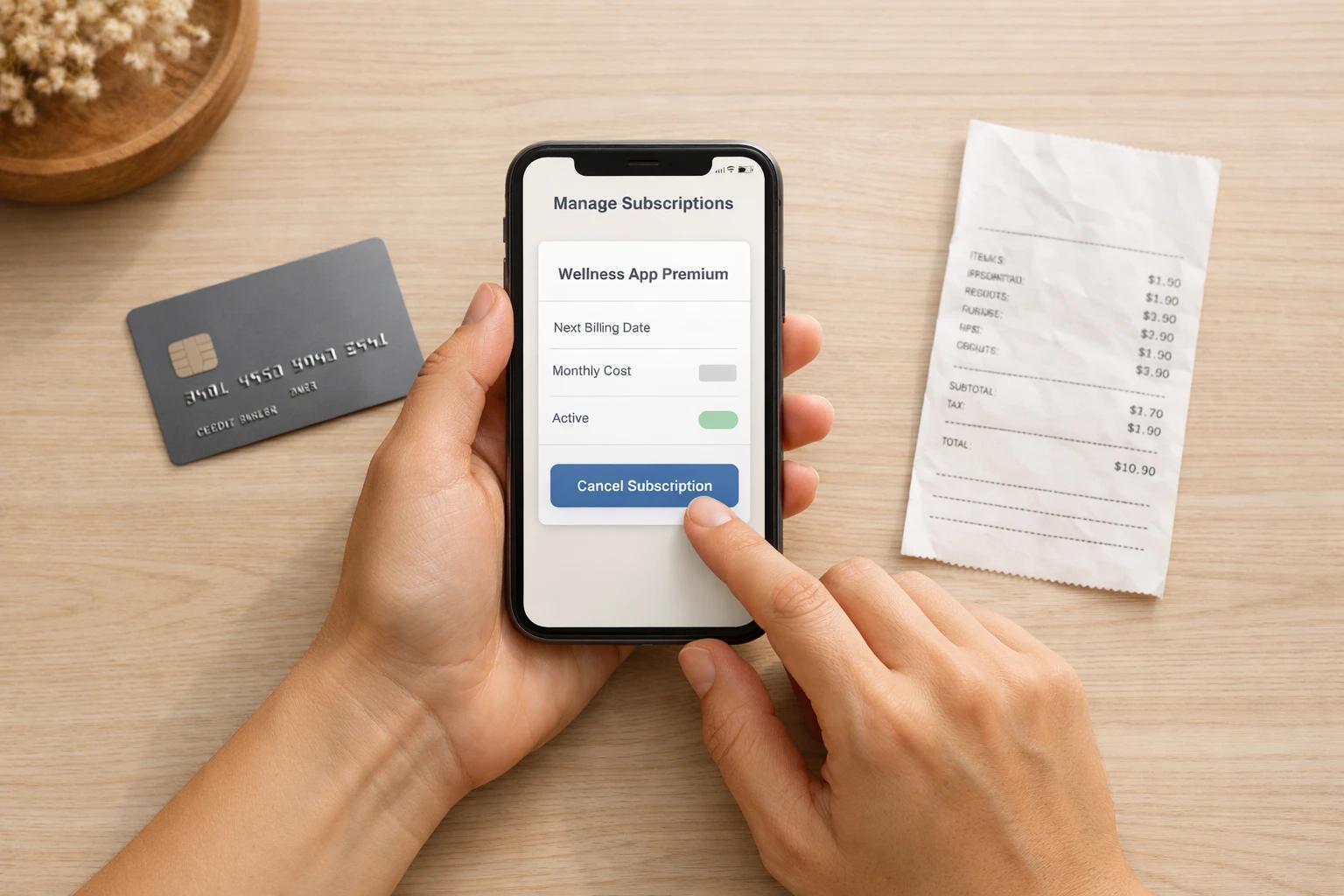
New York Subscription Cancellation Laws: What Consumers Need to Know
Subscriptions have become part of everyday life. Streaming services, meal kits, fitness memberships, software, beauty boxes, online shopping programs, and other services can all involve recurring payments. The problem usually starts when you want to cancel and discover that the process isn’t as simple as signing up.
For New York consumers, state law provides important protections for many automatic renewal and continuous-service subscriptions. Businesses generally must clearly explain the subscription terms, obtain affirmative consent, provide cancellation options, and avoid unreasonable barriers to cancellation.
What Is an Automatic-Renewal Subscription?
An automatic renewal is an arrangement where a paid subscription or purchasing agreement automatically continues for another term after the original term ends.
A continuous-service arrangement is slightly different because it continues until the consumer cancels it. New York’s General Business Law defines both concepts under its consumer-protection provisions.
You may encounter these arrangements with:
- Streaming platforms
- Gym memberships
- Software subscriptions
- Meal delivery services
- Online memberships
- Beauty subscriptions
- Shopping memberships
- Subscription boxes
- Digital services
- Maintenance services
The important thing is to know whether your payment will continue automatically before you enter your billing information.
Businesses Must Clearly Explain Subscription Terms
New York law requires covered businesses making automatic-renewal or continuous-service offers to present important terms clearly and conspicuously before obtaining consent or billing information.
The disclosure generally needs to explain things such as:
- What product or service is being renewed
- How much you will be charged
- How often you will be charged
- When you need to cancel
- How you can cancel
- What happens after a free trial or promotional period
If the introductory price will later increase, the business must also explain how and when the price will change.
That means the renewal terms shouldn’t be buried somewhere a customer would reasonably miss them.
You Must Give Affirmative Consent
New York law generally prohibits a business from charging a consumer for the initial term of a covered automatic-renewal or continuous-service offer without first obtaining affirmative consent to the agreement containing the renewal terms.
This is especially important with promotions.
A website might advertise:
“First month only $5.”
But if the service later costs $39.99 per month, the renewal terms should be clearly disclosed rather than hidden in tiny text.
What Happens After You Sign Up?
Businesses covered by the law must provide consumers with a confirmation or acknowledgment that can be retained.
The acknowledgment must include important information such as the renewal terms, cost, billing frequency, cancellation deadline, and cancellation methods.
Save this confirmation.
If there is a dispute later, it can help establish exactly what you were told when you subscribed.
New York Gives Consumers a Right to Cancel
One of the most important protections is the cancellation requirement.
New York law requires covered businesses to provide consumers with a simple cancellation mechanism that is as easy to use as the mechanism used to provide consent and through the same medium used for consent. The law also addresses cancellation through other methods by which the business accepts affirmative consent.
In practical terms, a company should not make cancellation unnecessarily difficult.
For example, if you signed up online, the law provides important protections concerning online cancellation.
Can a Company Make You Call to Cancel?
The answer depends on the circumstances and how the subscription was purchased.
New York law specifically requires businesses to provide cancellation options through the applicable channels and prohibits unreasonable barriers to cancellation. Businesses cannot impose unreasonable or unlawful conditions, refuse to acknowledge a cancellation request, or unreasonably delay processing it.
So if a company keeps sending you from one department to another, hangs up when you try to cancel, or deliberately makes cancellation confusing, that can raise consumer-protection concerns.
Businesses Can Offer Discounts When You Cancel
A company can sometimes try to convince you to stay.
For example, after clicking cancel, you might see:
“Wait! Stay another month for 50% off.”
New York law does not necessarily prohibit retention offers.
A business can present a discount or information about the consequences of cancellation, but it cannot use that offer as a way to impose unreasonable conditions or obstruct your cancellation.
There’s a difference between offering a deal and making cancellation unnecessarily difficult.
What If the Subscription Price Goes Up?
Price increases can be particularly frustrating when consumers don’t realize their subscription has become more expensive.
New York’s automatic-renewal law addresses price increases. In certain circumstances, a business must obtain affirmative consent to the increased price or allow the consumer to cancel within at least 14 days after the charge and receive a prorated refund for the remaining service term.
The exact requirements depend on the circumstances and how the original price increase was disclosed.
Free Trials Can Become Paid Subscriptions
A free trial isn’t always completely free.
You may provide your card information to start a seven-day or 30-day trial and then forget about it.
New York’s law contains special notice requirements for certain free gifts or trials lasting more than one month when an automatic renewal charge will follow.
The safest habit is simple: set a reminder before the trial ends.
The New York Attorney General also advises consumers to set reminders several days before free trials expire because promotional offers can turn into recurring memberships.
What If You Already Asked to Cancel?
This is where documentation becomes extremely useful.
Suppose you cancel a subscription on Monday, receive confirmation, and then notice another charge on Friday.
Save:
- Cancellation confirmation
- Emails
- Screenshots
- Chat transcripts
- Account history
- Bank statements
- Credit-card statements
- Dates and times of calls
New York law prohibits businesses from unreasonably delaying or obstructing a cancellation request.
A clear record can make it much easier to explain what happened.
Recent New York Enforcement Shows Why This Matters
New York has continued taking action against businesses over subscription practices.
In July 2026, New York Attorney General Letitia James announced a $375,000 settlement with 1-800-Flowers, alleging that the company failed to clearly disclose subscription terms, did not provide required acknowledgment, and failed to properly notify consumers before certain automatic renewals. The settlement included changes to subscription practices and restitution for eligible customers.
The Attorney General also announced an August 2026 settlement involving Thirty Madison, alleging problems including unclear recurring subscription terms and difficulties canceling. The company agreed to pay $400,000 and provide restitution to certain eligible consumers.
These enforcement actions demonstrate that subscription cancellation isn’t merely a customer-service issue when a business’s practices potentially violate consumer-protection requirements.
What Should You Do If You Can’t Cancel?
If you’re having trouble canceling a subscription, don’t just keep trying indefinitely.
1. Check the Agreement
Look for the cancellation and renewal provisions.
2. Cancel Through the Available Method
Use the cancellation mechanism provided by the company.
3. Save Proof
Take screenshots and save emails or confirmation numbers.
4. Check Your Bank Account
Look for additional charges after cancellation.
5. Contact the Business
Ask for confirmation that the subscription has been canceled and request a refund if you believe you were improperly charged.
6. File a Complaint if Necessary
If the company refuses to address the issue, you can consider filing a complaint with the New York Attorney General.
What If a Business Keeps Charging You?
Recurring charges after cancellation can be especially frustrating.
First, confirm whether the cancellation actually went through.
If you have proof that you canceled, contact the company and request that the charges be reversed.
You should also contact your credit-card company or financial institution promptly if you believe a charge was unauthorized. The New York Attorney General recommends reviewing financial statements and reporting unauthorized charges to the card company as soon as possible.
Don’t wait months hoping the charges will stop on their own.
Can You Sue a Company Over a Subscription?
Potentially.
New York’s automatic-renewal statute provides enforcement mechanisms for violations, and other consumer-protection laws may also apply depending on what the business did.
Whether an individual consumer has a viable lawsuit depends on the facts, the amount involved, the applicable law, and the evidence.
For a significant dispute, speaking with a New York consumer protection attorney can help you understand your options.
Are There Special Rules for Certain Contracts?
Yes.
Not every subscription or recurring service is governed in exactly the same way.
For example, New York has separate provisions concerning certain service, maintenance, or repair contracts with automatic-renewal provisions. Under General Obligations Law § 5-903, certain automatic-renewal clauses are unenforceable unless the service provider gives the required notice before the deadline for cancellation.
This is one reason you shouldn’t assume that every recurring contract has identical cancellation rules.
Common Subscription Mistakes Consumers Make
Forgetting About Free Trials
A free trial can become a paid subscription if you don’t cancel on time.
Not Saving Confirmation Emails
That email may become valuable evidence later.
Assuming Deleting an App Cancels the Subscription
Deleting an app does not necessarily cancel the underlying service.
Ignoring Small Charges
A $5 or $10 monthly charge can continue for years if you don’t notice it.
Waiting Too Long to Dispute a Charge
If you believe a charge is unauthorized, contact the business and your payment provider promptly.
Not Reading Renewal Terms
The most important information may be sitting in the terms you skipped during checkout.
Frequently Asked Questions
1. Can I cancel an automatic subscription in New York?
Generally, covered automatic-renewal and continuous-service arrangements must provide consumers with a simple way to cancel. The specific cancellation method depends on the transaction and applicable law.
2. Can a company make cancellation difficult?
New York law prohibits covered businesses from imposing unreasonable or unlawful conditions, obstructing cancellation, refusing to acknowledge a cancellation request, or unreasonably delaying cancellation.
3. Can a company charge me after I cancel?
If a valid cancellation was made and the business continues charging you improperly, you should document the cancellation and challenge the charges promptly. Whether the charge violates New York law depends on the circumstances.
4. Are free trials covered by New York subscription laws?
Certain free gifts and trials followed by automatic charges are specifically addressed by New York’s automatic-renewal law. The requirements depend on the length and structure of the offer.
5. What should I do if a company refuses to cancel my subscription?
Save evidence of your cancellation attempt, contact the company in writing, monitor your account for further charges, and consider filing a complaint with the New York Attorney General or consulting an attorney if the issue is serious.
Final Thoughts
Subscription services are convenient, but consumers shouldn’t have to fight through confusing menus, repeated phone calls, or endless retention offers just to stop a recurring payment.
New York law provides important protections around automatic renewals, recurring charges, subscription disclosures, affirmative consent, price changes, and cancellation procedures.
If you’re canceling a subscription, take a screenshot, save the confirmation, and check your bank or credit-card statement afterward. Those few minutes can save you a lot of trouble.
And if a company continues charging you after a documented cancellation or appears to have deliberately hidden the renewal terms, don’t ignore it. You may have consumer-protection options.



