Questions to Ask a Lawyer During a Consultation in Rochester
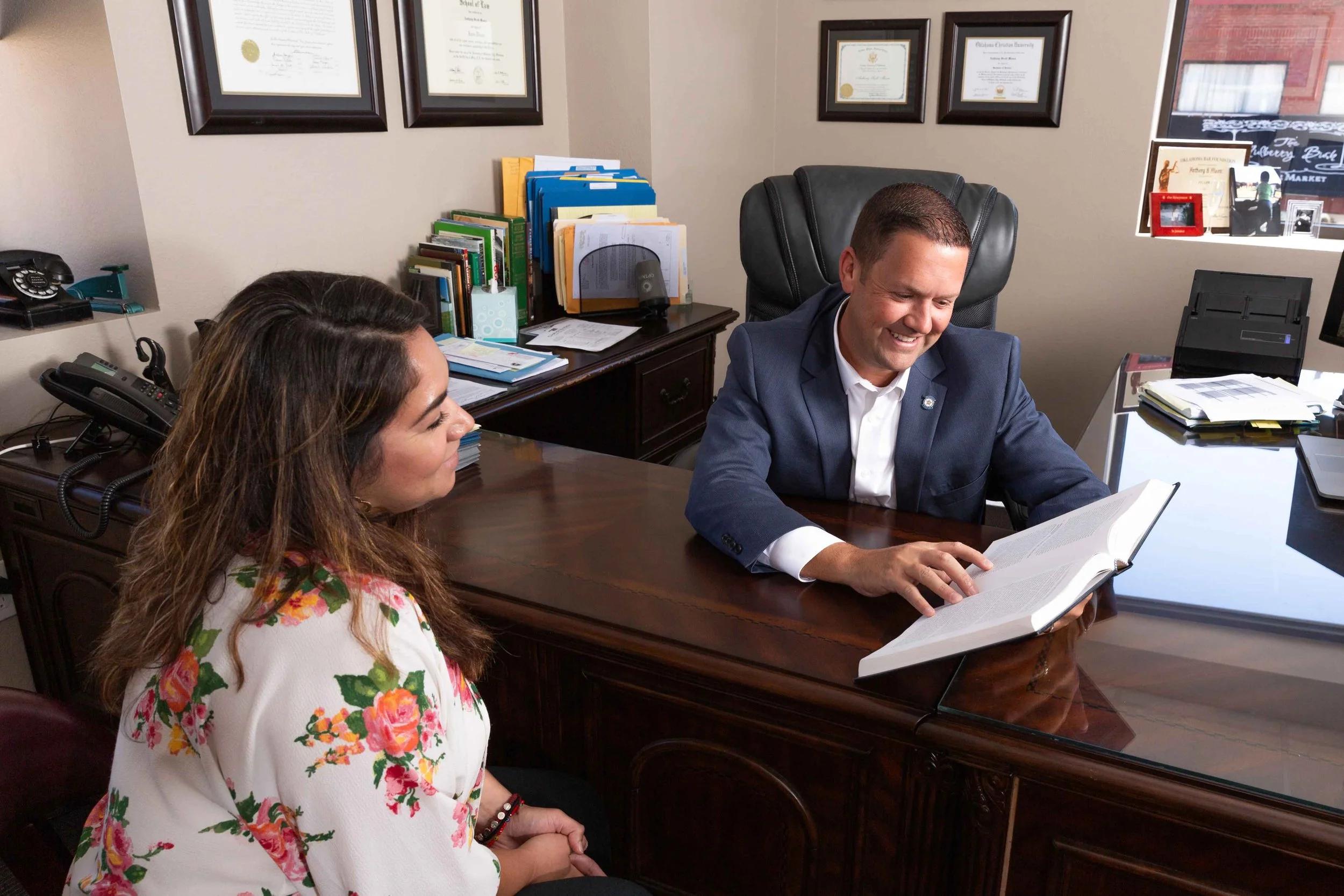
Meeting a lawyer for the first time can feel a little strange. You may have a dozen things running through your head, but once the consultation starts, it is easy to forget half of what you wanted to ask. Knowing the right questions to ask lawyer during consultation Rochester can make that first meeting much more useful and help you understand what may happen next.
A consultation is not just about explaining your legal problem. It is also your chance to figure out whether the attorney has experience with cases like yours, how they communicate, what the potential costs are, and whether you feel comfortable working with them.
Does My Situation Actually Require a Lawyer?
This is a simple question, but it can save you time and money.
Explain what happened and ask the attorney whether you need full legal representation, limited legal assistance, or whether there are steps you could reasonably handle yourself. New York Courts notes that people have the right to represent themselves, but consulting an attorney can help them understand their legal options and how to proceed.
You can also ask:
- What would you recommend I do first?
- Is there anything I should avoid doing right now?
- Are there deadlines I need to know about?
- What information or documents should I gather?
Sometimes the most valuable part of a consultation is simply finding out what needs attention first.
Have You Handled Cases Like Mine Before?
Not every attorney handles every type of legal matter regularly. A lawyer may have impressive general experience but very little experience with the particular issue you are facing.
Ask directly:
“How often do you handle cases similar to mine?”
Then ask what happened in some of those cases, without expecting the attorney to reveal confidential information about other clients.
If your matter involves a court case, you may also want to ask whether the lawyer regularly practices in the relevant Rochester or Monroe County courts. Local familiarity does not guarantee an outcome, but it can be useful when understanding local procedures and practical considerations.
What Do You Think Are the Strengths and Weaknesses of My Case?
This may be one of the most important questions in the entire consultation.
You are not looking for a lawyer who simply tells you that everything will work out. You want someone who can explain both the good and bad parts of your situation.
Ask:
- What is the strongest part of my case?
- What concerns you most?
- What problems could make the case more difficult?
- What evidence would make my position stronger?
- What arguments might the other side make?
A realistic discussion can help you make better decisions than an overly optimistic prediction.
What Are My Options Besides Going to Court?
Going to court is not always the only possible path. Depending on the type of dispute, negotiation, settlement, arbitration, or mediation may be possibilities.
New York Courts describes mediation as a less formal process centered on the parties and recommends understanding what happens if mediation does not result in a settlement.
Ask your lawyer:
“If we do not go to trial, what other options do I have?”
You can also ask whether settling early could make sense, what you might gain or give up by settling, and what could happen if negotiations fail.
How Much Could This Cost?
Do not leave the consultation without discussing money.
Ask whether the attorney charges hourly, uses a flat fee, works on contingency, or uses another arrangement. Also ask about costs that may be separate from the attorney’s fee.
Questions could include:
- What is your fee structure?
- Is the consultation itself charged?
- Do I need to pay a retainer?
- What expenses might be billed separately?
- How often will I receive bills?
- Can I receive itemized billing?
New York’s client-rights information states that clients are entitled to reasonable fees and expenses being explained and may request written itemized bills.
New York Courts also provides information about lawyer referral services, including initial consultations through certain referral programs.
Who Will Actually Handle My Case?
This question gets overlooked more often than you might think.
You may meet a senior attorney during the consultation and later discover that much of the day-to-day work will be handled by another lawyer or staff member.
Ask:
“Will you personally handle my case, or will other attorneys or staff members work on it?”
It is also reasonable to ask who you should contact when you have a question and how quickly you can generally expect a response.
New York’s client-rights guidance says clients are entitled to be reasonably informed about their matter and to have reasonable questions and concerns addressed promptly.
What Should I Bring to the Consultation?
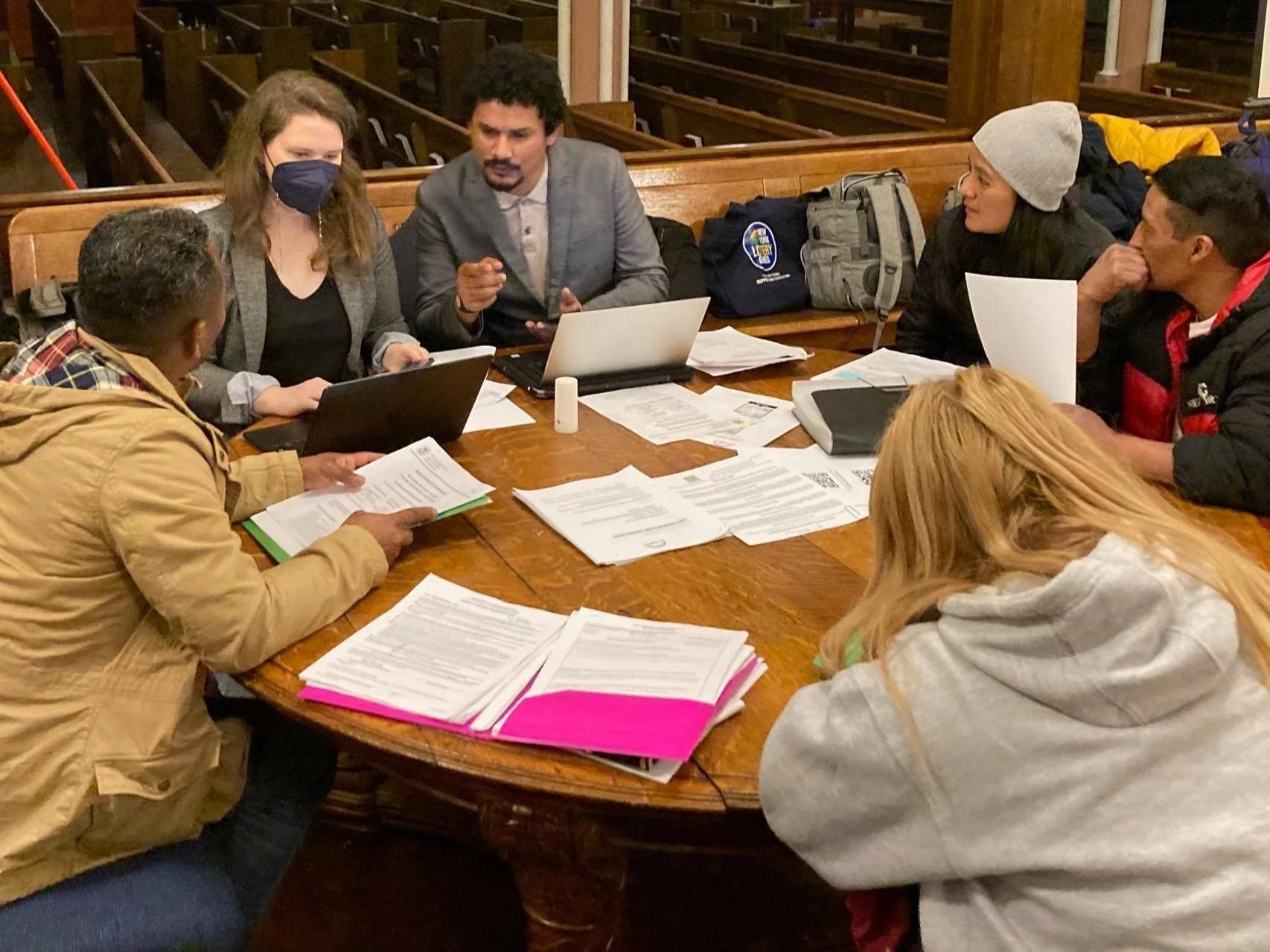
Bring anything that could help the lawyer understand what happened. Depending on your situation, that might include court papers, contracts, letters, emails, photographs, medical records, police reports, financial documents, text messages, or other relevant records.
Do not worry about creating a perfect legal file. Just organize what you have and be honest about the situation. New York Courts guidance emphasizes that lawyers need relevant facts and documents to provide competent assistance.
One useful idea is to write down a short timeline before the meeting. Dates can become surprisingly difficult to remember once you are sitting in an office trying to explain everything.
What Happens After the Consultation?
Before leaving, ask what happens next.
You might ask:
- What is the next step?
- Is there a deadline coming up?
- Do you need anything else from me?
- When should I expect to hear from you?
- If I hire you, when does the representation officially begin?
- Will we have a written agreement?
Also remember that a consultation does not automatically mean you have hired the lawyer. New York’s professional-conduct rules recognize protections for prospective clients who provide information during an initial consultation, even when the lawyer and prospective client ultimately decide not to work together.
4 FAQs About Lawyer Consultations in Rochester
1. What should I ask a lawyer during my first consultation?
Ask about the lawyer’s experience with similar cases, the strengths and weaknesses of your situation, possible legal options, expected costs, deadlines, communication, and what happens next.
2. Should I bring documents to a Rochester lawyer consultation?
Yes. Bring relevant court papers, contracts, correspondence, photographs, records, and other documents that help explain your situation. A simple timeline of important events can also be useful.
3. Do I have to hire the lawyer after the consultation?
No. A consultation gives you an opportunity to discuss your legal problem and decide whether the attorney is a good fit. You should understand the fee arrangement and scope of representation before agreeing to move forward.
4. What if I cannot afford a private lawyer?
New York Courts provides information about lawyer referral services and other legal-assistance resources. Depending on the type of legal problem and your circumstances, you may qualify for reduced-cost or free assistance.
Final Thoughts
A lawyer consultation should feel like a conversation, not an interrogation where you are expected to know all the right legal terms. Bring your documents, explain what happened honestly, and write down your questions beforehand.
Most importantly, do not be afraid to ask about things that seem basic—fees, deadlines, communication, experience, risks, and what happens next. Those answers can tell you quite a lot about whether the attorney is someone you want handling an important legal matter.