Buffalo DWI Laws and Penalties: What Drivers Should Know
Getting arrested for DWI in Buffalo can turn a normal night into a situation that suddenly involves court dates, your driver’s license, insurance, and potentially serious financial consequences. New York DWI law is more complicated than simply asking whether someone was “over the limit.” The circumstances of the stop, chemical testing, prior convictions, and the exact charge can all matter.
If you are facing a DWI charge in Buffalo, understanding Buffalo DWI laws and penalties can help you understand what you may be dealing with and why speaking with an attorney early can be important.
What Counts as a DWI in New York?
Under New York Vehicle and Traffic Law §1192, a person can be charged with driving while intoxicated when their blood alcohol concentration is 0.08% or higher. New York law also allows a DWI charge based on being intoxicated even when the prosecution is not relying solely on a particular BAC number.
There are other alcohol- and drug-related offenses as well. For example, New York recognizes DWAI, DWAI-Drug, and DWAI involving a combination of alcohol and drugs.
That distinction matters because the penalties can be different depending on exactly what a driver is accused of doing.
What Happens With a First DWI?
A first DWI conviction can carry more than just a fine.
For a first standard DWI conviction, New York lists a fine of $500 to $1,000, a possible jail sentence of up to one year, and a minimum six-month driver’s license revocation.
There can also be mandatory surcharges and other financial consequences.
For someone who depends on a vehicle to get to work, take children to school, or handle everyday responsibilities, the license consequences can sometimes be just as disruptive as the fine.
What Is Aggravated DWI?
New York treats a BAC of 0.18% or higher as aggravated DWI.
A first aggravated DWI is a misdemeanor and carries a fine of $1,000 to $2,500, a possible jail sentence of up to one year, and at least a one-year license revocation.
This is one reason the actual test result can be extremely important in a DWI case.
What About DWAI?
Not every alcohol-related driving charge is technically a DWI.
New York recognizes Driving While Ability Impaired by Alcohol, commonly called DWAI. The New York DMV describes this as generally involving a BAC greater than .05 but less than .07, or other evidence of impairment.
For a first DWAI conviction, the listed penalty includes a $300 to $500 fine, up to 15 days in jail, and a 90-day license suspension.
DWAI should not simply be treated as “nothing serious.” It can still affect your driving privileges, finances, and future legal situation.
Repeat DWI Offenses Can Become Felonies
Previous convictions can dramatically change the situation.
For example, a second DWI or DWAI-Drug violation within 10 years can be classified as a Class E felony, with fines of $1,000 to $5,000 and a possible prison sentence of up to four years.
A third qualifying offense within the applicable period can result in a Class D felony and substantially higher penalties.
The look-back rules can also become complicated when someone has older DWI convictions, DWAI convictions, or other alcohol- or drug-related offenses. That is one reason a lawyer will usually want to know your complete driving and criminal history before discussing possible outcomes.
What Happens to Your Driver’s License?
A DWI case can involve both the criminal court case and separate DMV consequences.
For a first DWI conviction, New York requires at least a six-month license revocation. Aggravated DWI carries at least a one-year revocation for a first offense.
There can also be consequences for refusing a chemical test. New York DMV lists a minimum one-year revocation and a civil penalty for a standard chemical-test refusal, with different rules for certain repeat refusals and commercial drivers.
So if someone is arrested after a Buffalo traffic stop, the question is not simply, “Will I be convicted?” The driver’s license issue may need attention too.
What About an Ignition Interlock Device?
New York law can require an ignition interlock device as part of sentencing for certain DWI convictions.
The device is connected to the vehicle and requires the driver to provide a breath sample before the vehicle can start. New York law provides for ignition-interlock requirements in qualifying cases, including certain misdemeanor DWI convictions.
That means a DWI conviction can continue affecting everyday life even after the court case itself is over.
Can You Fight a DWI Charge?
Being arrested does not automatically mean that every allegation against you will result in a conviction.
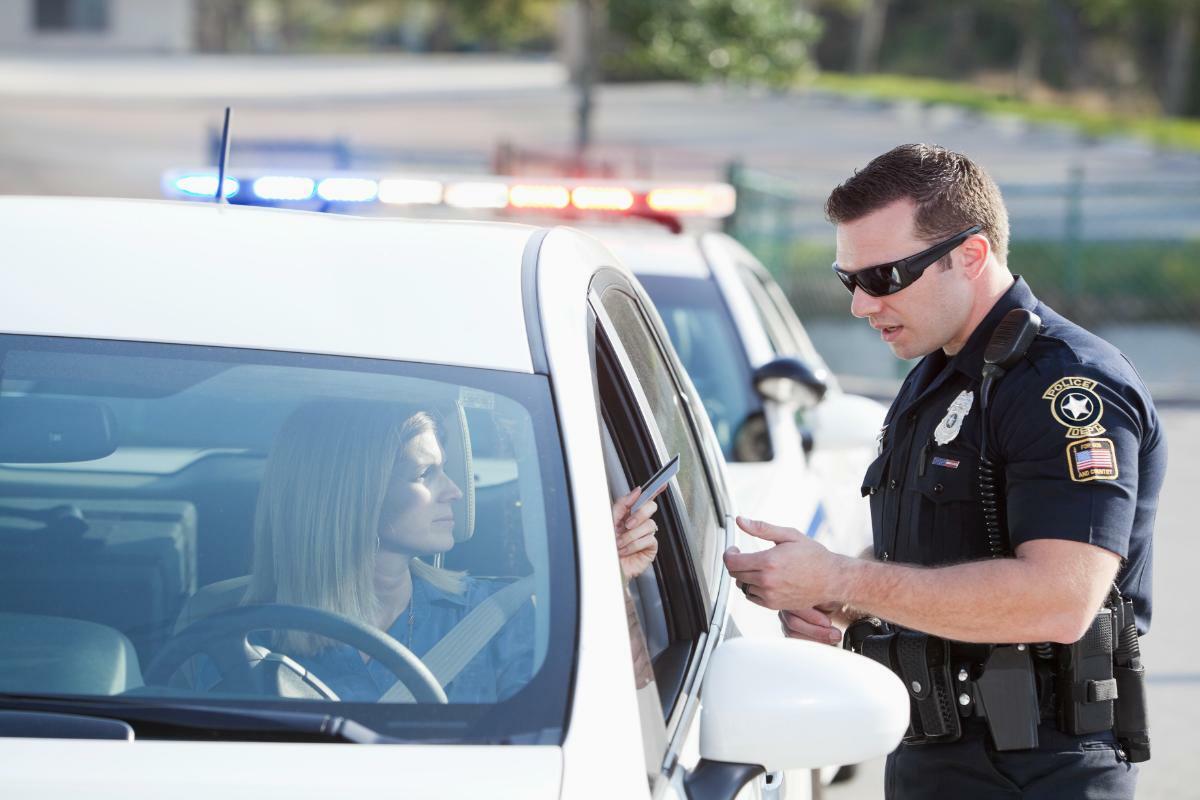
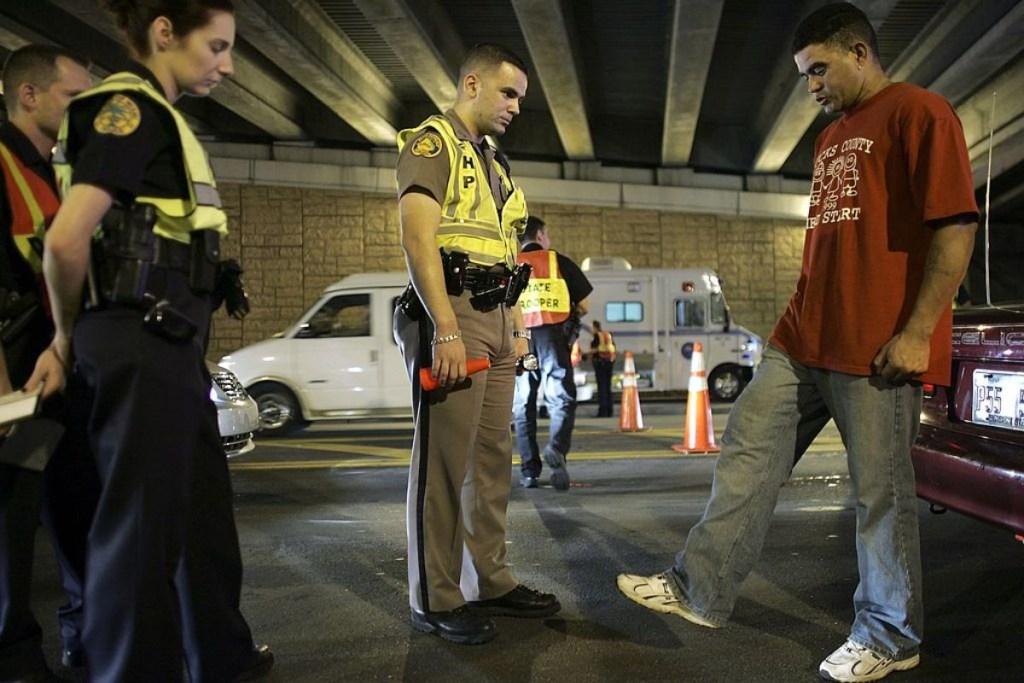
A defense may involve looking closely at the traffic stop, probable cause, field sobriety testing, chemical testing procedures, the timing of the test, calibration or maintenance issues, and whether law enforcement followed the required procedures.
The details matter. Two people arrested for DWI on the same night could have very different legal situations.
That is why it is usually better to discuss the actual facts of the arrest with a qualified attorney instead of assuming that the BAC number tells the entire story.
Buffalo Drivers Should Take the Charge Seriously
A DWI case can reach far beyond the courtroom. There may be court costs, fines, license problems, insurance consequences, transportation problems, employment concerns, and restrictions connected to an ignition interlock device.
New York’s penalties also become considerably more serious when there are prior qualifying convictions.
If you have been arrested for DWI in Buffalo, keep your paperwork, note important dates, and avoid discussing the details of your case publicly. An attorney familiar with New York DWI law can review the circumstances and explain what options may be available.
4 FAQs About Buffalo DWI Laws
1. What is the legal BAC limit for DWI in New York?
For most adult drivers, a BAC of 0.08% or higher meets New York’s per se DWI standard. Commercial drivers and drivers under 21 are subject to different rules.
2. Can I lose my license after a first DWI in Buffalo?
Yes. A first DWI conviction carries a minimum six-month license revocation. Aggravated DWI carries a minimum one-year revocation.
3. Is refusing a breath or chemical test a crime?
Chemical-test refusal has separate DMV consequences, including civil penalties and license revocation. The exact consequences depend on the circumstances and the driver’s history.
4. Should I hire a lawyer for a Buffalo DWI?
It can be worthwhile, particularly when you are facing a criminal DWI charge, a possible license revocation, a high BAC allegation, a repeat offense, or questions about how the traffic stop and chemical testing were handled. An attorney can review the specific facts instead of relying only on the charge written on the ticket.
Final Thoughts
A Buffalo DWI charge is something to take seriously, but an arrest is not the same thing as a conviction. New York law has different categories of alcohol- and drug-related driving offenses, and the consequences can change significantly based on BAC, prior convictions, chemical-test issues, and other circumstances.
The sooner you understand exactly what you have been charged with and what deadlines apply, the easier it can be to make informed decisions about your next step.