Immigration in Buffalo: Laws, Rights and Legal Options
Immigration questions rarely come with simple answers. Someone may be trying to apply for a green card, bring a family member to the United States, respond to an immigration notice, protect a work permit, or simply understand what could happen if they encounter immigration authorities. Immigration in Buffalo: Laws, Rights and Legal Options can involve both federal immigration rules and New York protections, so understanding where to get reliable legal help is an important first step.
Buffalo is home to people from many different countries and backgrounds, and immigration matters can affect families, workers, students, tenants, and business owners in very different ways. The right legal option depends heavily on an individual’s circumstances.
Immigration Law in Buffalo Is Primarily Federal
One of the first things to understand is that immigration status is generally governed by federal law rather than by Buffalo city government. Agencies such as U.S. Citizenship and Immigration Services (USCIS), Immigration and Customs Enforcement (ICE), and the Executive Office for Immigration Review (EOIR) have different roles in immigration matters.
USCIS handles many applications and petitions involving immigration benefits, while immigration courts handle removal proceedings. This means that someone living in Buffalo may have a case connected to federal agencies or an immigration court even though they live and work locally.
The Buffalo area is also within USCIS’s Buffalo District, which includes several locations across the region.
What Immigration Options May Be Available?
There is no single immigration pathway that works for everyone. Depending on the circumstances, a person may have options involving family-based immigration, employment, humanitarian protections, asylum, adjustment of status, naturalization, or other forms of relief.
For example, a U.S. citizen may be able to petition for certain qualifying relatives. Someone who entered the country lawfully may have a different set of options from someone who entered without inspection. A person facing removal proceedings may need to look at defenses or forms of relief that would not apply to someone simply preparing a visa application.
This is why copying someone else’s immigration strategy can be risky. Even people with seemingly similar situations can have very different legal histories.
Know Your Rights During Immigration Enforcement
Immigration enforcement can be stressful, especially when people are unsure what they are required to do.
New York’s Attorney General provides guidance on immigrant rights, including information involving law enforcement, workplaces, housing, discrimination, and interactions with immigration authorities.
For example, New York’s guidance for immigrant tenants explains that immigration status does not remove a tenant’s basic protections under New York law. A landlord generally cannot simply lock a tenant out because of immigration status or use immigration-related threats to harass the tenant.
If immigration officers come to a home, workplace, or another location, the circumstances matter. A person should avoid guessing about their legal rights based on something they saw online. Speaking with a qualified immigration attorney can help clarify what applies to their particular situation.
Immigration and Employment in Buffalo
Immigration status and employment can become closely connected. Workers may have questions about employment authorization, discrimination, unpaid wages, workplace treatment, or what an employer can legally ask for.
New York protects immigrant workers through various state laws and enforcement mechanisms. The Attorney General’s immigrant-rights resources specifically include information concerning immigrant workers and dealing with immigration enforcement in the workplace.
If an employer threatens a worker because of immigration status or uses immigration concerns to discourage someone from asserting workplace rights, getting legal advice can be important.
Be Careful With Immigration Service Scams
Unfortunately, people dealing with immigration problems can be especially vulnerable to scams.
New York law places restrictions on non-attorney immigration service providers. These providers may perform certain clerical services but cannot provide legal advice or represent people in immigration proceedings.
The New York Attorney General has also warned immigrants about people who call themselves “notarios” or make promises about guaranteed immigration results. In New York, someone should not assume that a person offering immigration services is qualified to give legal advice simply because that person advertises immigration assistance.
Be especially cautious if someone promises a guaranteed green card, work permit, bond release, or immigration outcome. Immigration cases involve government decisions, and legitimate legal professionals should not promise a guaranteed result.
When Should You Speak With an Immigration Lawyer?
You may want to speak with a qualified immigration attorney when your situation involves a complicated application, a prior immigration violation, criminal history, an immigration court case, detention, a denied application, a notice from immigration authorities, or uncertainty about which immigration benefit may be available.
A consultation can also be useful before filing something important. USCIS itself notes that people who are unsure about which immigration form to file may need immigration legal advice from an authorized provider.
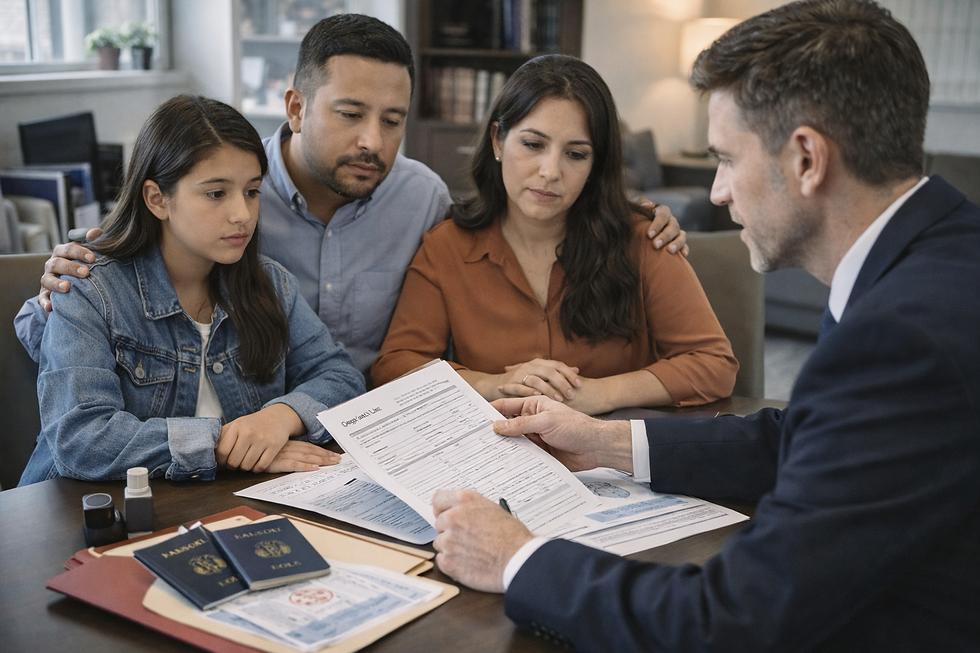
When meeting a lawyer, bring your immigration documents, notices, previous applications, passports, employment documents, and any court records that may be relevant. Be completely honest about your immigration history. Leaving out an important fact can make it harder for an attorney to give you accurate advice.
Finding Legitimate Legal Help in Buffalo
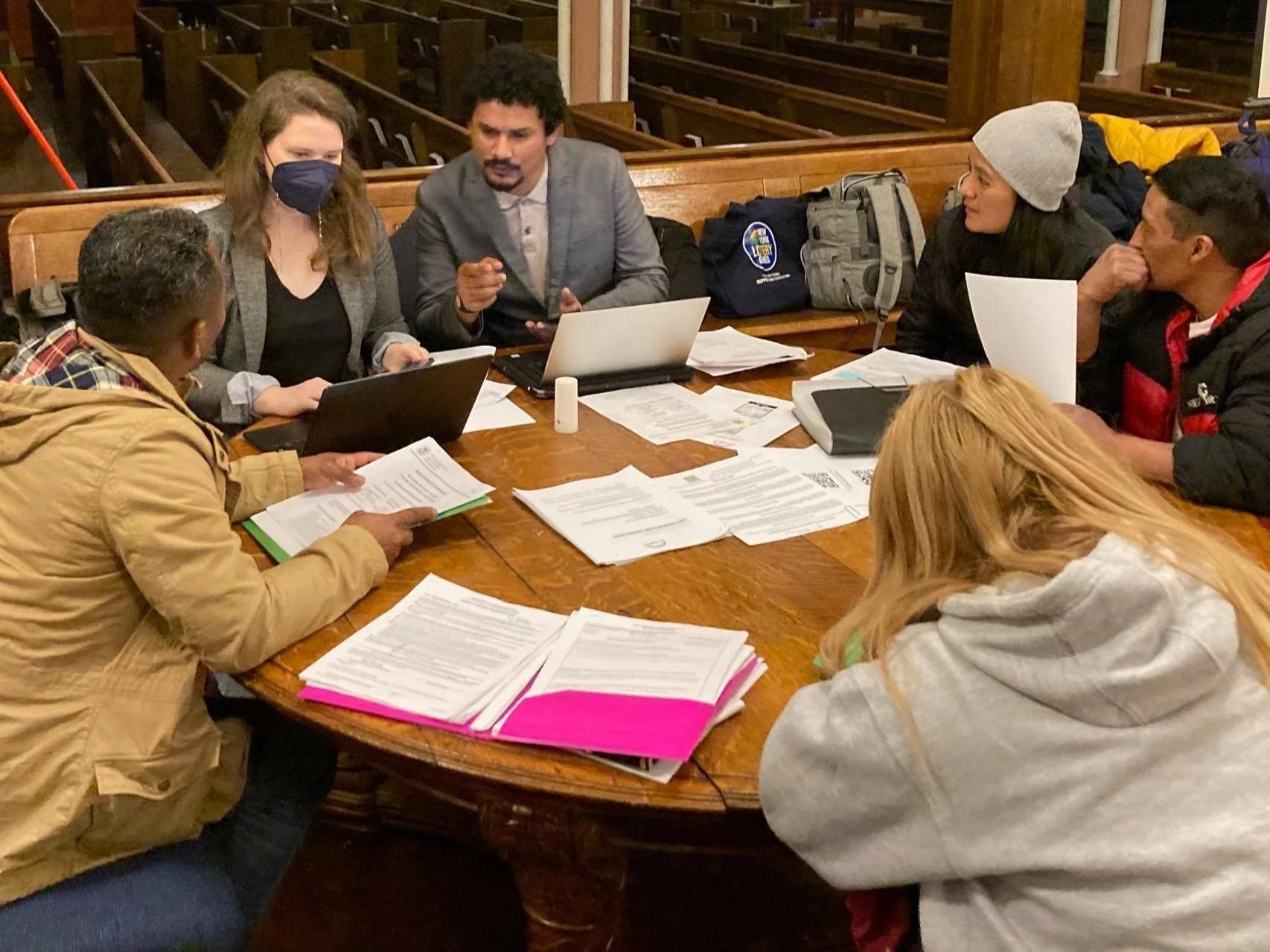
Not everyone can afford private legal representation. The New York Attorney General directs people seeking legal assistance toward resources such as local legal-aid organizations, bar associations, and LawHelp.org/NY.
The New York Courts’ 8th Judicial District Help Center is also located in Buffalo and provides free information about court procedures to people who do not have an attorney. The Help Center does not provide individual legal advice or represent people in cases.
For immigration matters specifically, it is important to make sure the person providing legal advice is actually authorized to do so. A licensed attorney or an appropriately accredited representative may provide immigration legal services within the scope of their authorization.
4 FAQs About Immigration in Buffalo
1. Is immigration law different in Buffalo?
Most immigration status and removal matters are governed by federal law, not by Buffalo’s local government. However, New York laws and local policies can affect areas such as employment, housing, discrimination, and interactions with local institutions.
2. Can an immigrant get legal help in Buffalo?
Yes. People can seek assistance from qualified immigration attorneys, accredited representatives, legal-aid organizations, and other legitimate legal-service providers. The appropriate resource depends on the type of immigration issue.
3. Can a landlord discriminate against someone because of immigration status?
New York provides protections for immigrant tenants. The Attorney General states that tenants have the same basic legal rights regardless of immigration status and that landlords cannot harass or victimize tenants because of their status.
4. How can I avoid an immigration scam?
Check that the person providing legal advice is authorized to do so, read documents before signing them, avoid blank forms, and be cautious about anyone guaranteeing a specific immigration result. New York’s Attorney General specifically warns against unauthorized providers and immigration-service scams.
Final Thoughts
Immigration problems can affect much more than a person’s paperwork. They can involve a family’s future, employment, housing, education, and ability to remain in the United States. For someone in Buffalo, understanding the difference between federal immigration law and New York protections can make it easier to identify where to look for help.
Because immigration rules and individual circumstances can be complicated, reliable legal advice matters. Gather your records, be honest about your history, and make sure anyone giving you immigration advice is properly authorized to do so. A careful consultation can help you understand what options may actually be available instead of relying on promises or information shared online.