
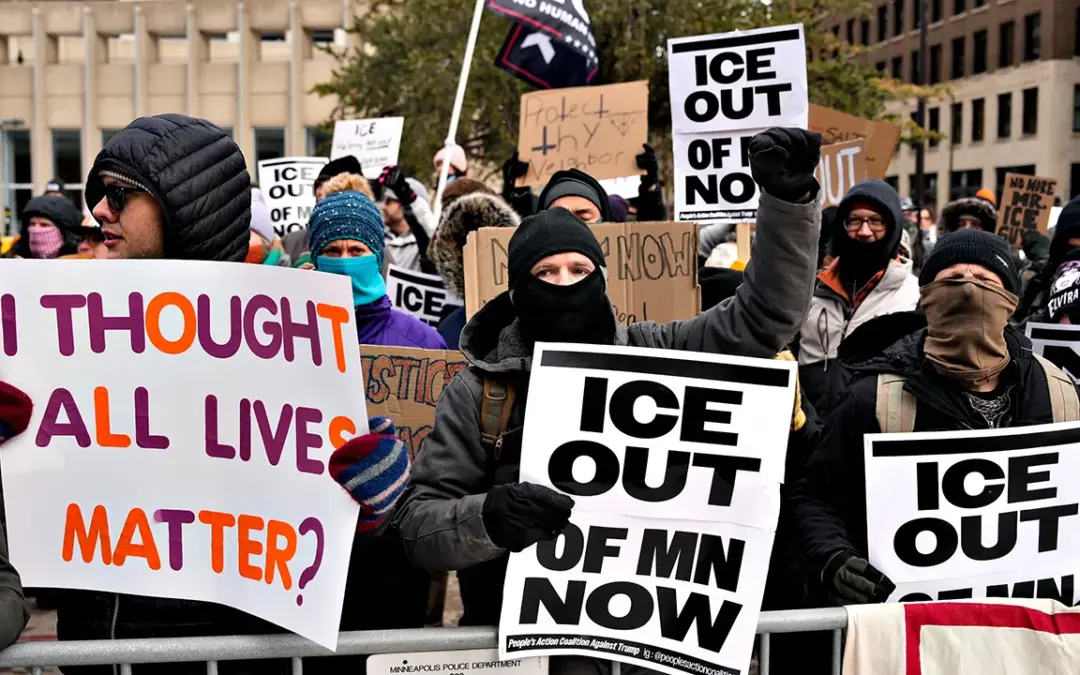
Immigration enforcement has been one of the most debated issues in the United States, and Minnesota has found itself at the center of that conversation. Demonstrations against Immigration and Customs Enforcement (ICE) have drawn thousands of people into the streets, with supporters arguing they are standing up for immigrant communities and critics emphasizing the government’s authority to enforce federal immigration laws.
Alongside the protests, a number of legal cases have emerged involving protesters, government agencies, and ongoing investigations. If you’ve been following the headlines, it’s easy to lose track of what has actually happened and what remains unresolved. Here’s a look at the key facts and recent legal developments.
Why Did the Minnesota Anti-ICE Protests Begin?
The protests grew out of concerns over expanded federal immigration enforcement operations in Minnesota. Community organizations, immigrant advocacy groups, labor unions, and local residents organized demonstrations after several enforcement actions and fatal incidents involving federal immigration agents generated widespread public attention. Many protesters argued that aggressive immigration operations were creating fear within immigrant communities and called for greater accountability from federal authorities.
While many demonstrations remained peaceful, some protests involved road blockages, confrontations near federal facilities, and arrests, leading to both criminal investigations and civil lawsuits.
What Legal Cases Have Emerged?
Several different legal proceedings have developed alongside the protests.
Federal prosecutors have brought criminal charges against a group of individuals accused of conspiring to interfere with ICE operations. According to prosecutors, members of an activist network coordinated activities intended to obstruct federal enforcement efforts. Some defendants face conspiracy-related charges, while others face additional allegations connected to specific protest incidents.
At the same time, many of the defendants deny the allegations or dispute the government’s characterization of their actions. Supporters argue the prosecutions risk criminalizing protected political activism and peaceful organizing rather than targeting unlawful conduct.
As with any criminal case, the charges remain allegations unless proven in court.
Civil Lawsuits Are Moving Forward Too
The courtroom activity isn’t limited to criminal prosecutions.
Minnesota officials and local governments have also challenged aspects of the federal immigration enforcement operation through civil litigation. These lawsuits question whether certain federal actions exceeded legal authority or violated constitutional protections.
Separate civil rights lawsuits have also alleged unlawful searches, racial profiling, warrantless detentions, and violations of constitutional rights during immigration enforcement activities. Those claims remain subject to ongoing litigation, and courts have not reached final conclusions on many of the allegations.
What Are Prosecutors Alleging?
Federal prosecutors argue that some organizers went beyond peaceful protest by coordinating actions that interfered with ICE officers carrying out official duties.
Court filings describe allegations including:
- Conspiracy to impede federal officers
- Coordinating demonstrations around enforcement operations
- Sharing information about ICE activities
- Obstructing access to federal facilities
- Conduct during specific protest incidents
The exact charges vary from defendant to defendant, and not every person charged is accused of engaging in the same conduct.
What Are Defense Attorneys Saying?
Defense attorneys have strongly challenged the government’s case.
Many argue their clients were exercising First Amendment rights by organizing demonstrations, attending meetings, or participating in peaceful protests. They contend that political activism should not automatically be treated as criminal conduct simply because it opposes government policy.
Several defendants also dispute factual allegations contained in the indictments and have indicated they intend to contest the charges in court.
The Difference Between Peaceful Protest and Criminal Conduct
One question many people have asked is whether protesting against ICE is itself illegal.
The answer is generally no.
Under the First Amendment, individuals have broad constitutional protections to peacefully protest, demonstrate, organize rallies, and express political opinions.
Legal issues typically arise when authorities allege conduct such as:
- Assaulting officers
- Damaging government property
- Trespassing into restricted areas
- Obstructing law enforcement
- Threatening violence
Whether those allegations are supported by sufficient evidence is ultimately determined through the court process.
Why These Cases Matter
These legal disputes reach beyond the individuals directly involved.
The cases raise broader questions about balancing constitutional rights with public safety, defining the limits of lawful protest, and determining how governments respond to organized demonstrations involving federal immigration enforcement.
Civil liberties organizations continue to monitor the prosecutions closely, while federal officials maintain that enforcing immigration laws and protecting officers remain legitimate government responsibilities.
Because several proceedings are still ongoing, additional rulings, motions, and appeals may further shape how similar cases are handled in the future.
Frequently Asked Questions (FAQs)
Are the Minnesota Anti-ICE protest cases finished?
No. Several criminal prosecutions, civil lawsuits, and investigations remain ongoing. Some defendants have been charged, while other related investigations continue, meaning additional court decisions may still occur.
Were all protesters charged with crimes?
No. Large numbers of people participated in demonstrations, but only certain individuals have been charged in connection with specific alleged conduct. Most people attending peaceful demonstrations were not charged with criminal offenses.
Can people legally protest against ICE?
Yes. Peaceful protests are generally protected under the First Amendment. However, conduct that violates criminal laws—such as assault, property damage, or obstruction of law enforcement—may result in criminal charges depending on the facts of each case.
What is the current status of the legal challenges?
Both criminal and civil proceedings remain active. Courts are continuing to review evidence, hear legal arguments, and decide motions, while some related investigations are still ongoing.
Final Thoughts
The Minnesota Anti-ICE protests have become more than a series of public demonstrations. They have evolved into significant legal cases that touch on constitutional rights, immigration enforcement, and the role of the courts in resolving disputes between protesters and government authorities. While emotions surrounding these issues remain strong, the legal process is designed to separate allegations from proven facts.
For anyone following these developments, it’s worth remembering that many of the cases are still working their way through the courts. Future rulings could influence not only the individuals involved but also how similar protests and related legal challenges are handled across the United States.