Types and Indicators of Elder Abuse in New York
Elder abuse is not always easy to recognize. Sometimes there are obvious injuries, but other situations are much quieter. An older adult may suddenly become withdrawn, stop talking about money, seem frightened around a caregiver, or have unpaid bills that never used to be a problem.
In New York, elder abuse can include physical, emotional or psychological abuse, sexual abuse, financial exploitation, neglect, and other forms of mistreatment. New York’s Office for the Aging notes that abuse can happen at home, in a relative’s home, or in an eldercare facility.
1. Physical Abuse
Physical abuse involves intentionally using force that causes pain, injury, or impairment.
Possible signs include:
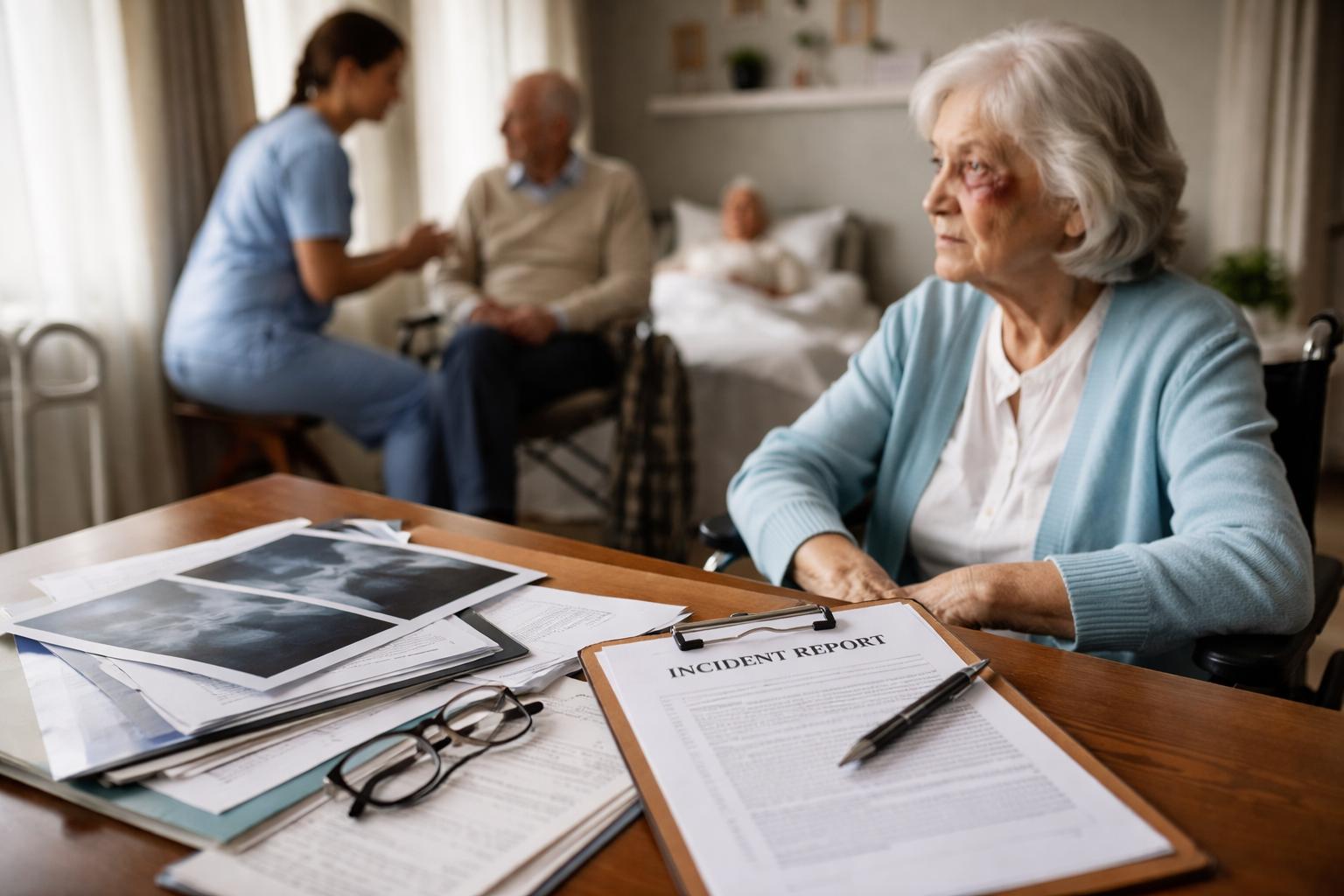
- Unexplained bruises or burns
- Cuts, welts, or other injuries
- Broken glasses or hearing aids
- Repeated injuries with unclear explanations
- Sudden weight loss
- Signs of improper physical restraint
A single bruise doesn’t necessarily mean abuse occurred. However, repeated injuries or explanations that don’t make sense should not simply be ignored.
2. Emotional or Psychological Abuse
Emotional abuse can leave no physical marks, which sometimes makes it difficult for family members to notice.
It may involve:
- Threatening behavior
- Humiliation
- Intimidation
- Constant criticism
- Controlling behavior
- Isolating an older adult from family or friends
- Threatening to abandon or institutionalize the person
An older adult who suddenly becomes fearful, depressed, withdrawn, or unusually anxious may be experiencing emotional distress that deserves attention.
3. Sexual Abuse
Sexual abuse involves non-consensual sexual contact or activity.
Potential warning signs can include unexplained injuries, pain or bleeding, sexually transmitted infections, sudden behavioral changes, or fear around a particular person.
An older person’s cognitive or physical limitations can also make them especially vulnerable to sexual exploitation.
4. Financial Exploitation
Financial exploitation is one of the major concerns involving older adults.
It can occur when someone improperly uses an older person’s money, property, benefits, or other assets.
Watch for things such as:
- Sudden withdrawals
- Missing money or valuables
- Unpaid bills despite having sufficient funds
- New joint accounts
- Unexpected changes to beneficiaries
- Changes to a will or power of attorney
- Large checks written to unfamiliar people
- Sudden property transfers
- A caregiver gaining unusual control over finances
New York court resources specifically identify unusual banking activity, new authorized account users, redirected mail, and sudden changes to estate documents as potential warning signs.
5. Neglect
Neglect happens when necessary care is not provided.
This could involve failing to provide adequate food, hygiene, medication, medical attention, clothing, supervision, or a safe environment.
Possible indicators include:
- Poor personal hygiene
- Malnutrition or dehydration
- Unsafe living conditions
- Untreated medical problems
- Lack of necessary mobility or medical equipment
- Incorrect medication use
- An older adult being left without needed supervision
New York resources recognize both intentional and unintentional caregiver neglect.
6. Abandonment
Abandonment occurs when an older adult who depends on another person for care is left without appropriate assistance or supervision.
For example, leaving someone who cannot safely care for themselves without food, medication, transportation, or necessary assistance can create a serious safety concern.
7. Institutional Abuse
Abuse isn’t limited to private homes.
It can also occur in nursing homes, assisted living communities, residential facilities, or other care settings.
Potential indicators include unexplained injuries, poor hygiene, medication problems, sudden behavioral changes, repeated complaints about staff, or a noticeable decline in a person’s condition without an adequate explanation. New York recognizes that elder abuse can occur in care facilities as well as private homes.
8. Self-Neglect
Self-neglect is somewhat different because another person may not be responsible for the situation.
It can occur when an older adult is unable or unwilling to meet basic needs, creating a serious risk to health or safety.
Warning signs may include severe hygiene problems, lack of food, unsafe living conditions, untreated medical needs, or inability to manage essential medications.
Changes in Behavior Can Be Important Indicators
Not every sign of elder abuse is physical or financial.
Family members may notice that an older person:
- Stops answering calls
- Becomes unusually quiet
- Appears frightened
- Doesn’t want to be alone with a caregiver
- Suddenly stops attending normal activities
- Seems confused about financial transactions
- Becomes anxious when certain people are present
New York court guidance identifies fear, agitation, depression, confusion, isolation, and unexplained injuries among potential red flags.
Where Can Elder Abuse Happen?
Elder abuse can happen almost anywhere.
It may occur:
- In the older person’s home
- At a family member’s home
- In an assisted living facility
- In a nursing home
- In another residential care setting
- Through financial or online interactions
The person responsible isn’t necessarily a stranger. In fact, abuse can involve caregivers, relatives, partners, friends, or other people the older adult trusts.
What Should You Do If You Suspect Elder Abuse?
Don’t wait until you can prove exactly what happened before taking a concern seriously.
If an older adult appears to be in immediate danger, emergency assistance may be necessary. For other concerns, New York provides Adult Protective Services resources for vulnerable adults who may need protection from abuse, neglect, exploitation, or other harm.
It can also help to document what you actually observe. Keep records of unusual injuries, financial transactions, concerning conversations, changes in behavior, or communications with caregivers.
If the situation involves serious financial exploitation, physical harm, or a complicated legal issue, an attorney familiar with elder law can help explain possible options.
Frequently Asked Questions
What are the main types of elder abuse in New York?
Commonly recognized forms include physical abuse, emotional or psychological abuse, sexual abuse, financial exploitation, neglect, abandonment, and abuse occurring in care settings. Self-neglect can also be a significant concern.
What are common signs of elder financial abuse?
Sudden changes in banking activity, missing money, unpaid bills, unexplained property transfers, unusual purchases, changes to wills or powers of attorney, and loss of access to financial accounts can be warning signs.
Can elder abuse happen in a nursing home?
Yes. Elder abuse can occur in nursing homes, assisted living facilities, and other care environments as well as private residences.
What if I’m not sure whether something is elder abuse?
You don’t need to determine the legal category yourself before seeking guidance. If you notice a pattern of concerning behavior, unexplained injuries, neglect, isolation, or suspicious financial activity, document what you observe and contact an appropriate New York protective-services or professional resource.
Final Thoughts
Recognizing elder abuse often starts with noticing that something simply doesn’t seem right. Maybe an older relative has become unusually withdrawn. Maybe their finances suddenly look different. Maybe their home isn’t being maintained the way it once was.
One sign alone doesn’t automatically prove abuse. But patterns should not be ignored.
Understanding the different types of elder abuse and knowing the indicators can help families respond sooner and protect an older adult’s safety, dignity, and independence. New York provides Adult Protective Services and other resources for people who may be experiencing abuse, neglect, or exploitation.