Nursing Home Abuse in NYC: Laws, Rights and Legal Options
When a family places an older loved one in a nursing home, they expect that person to receive proper care, attention, and respect. So when something feels wrong—unexplained injuries, sudden changes in behavior, poor hygiene, missing belongings, or repeated medication problems—it can be difficult to know whether you are looking at ordinary care issues or something more serious. Nursing Home Abuse in NYC can involve physical, emotional, sexual, or financial harm, as well as neglect or mistreatment, and New York law gives residents important protections.
The first step is not always filing a lawsuit. It may be documenting what happened, reporting the concern, getting medical attention, and finding out what rights the resident or family has.
What Can Be Considered Nursing Home Abuse?
Abuse can take several forms, and it does not always leave an obvious physical injury.
Physical abuse may include hitting, pushing, inappropriate restraint, or other intentional physical harm. Emotional or verbal abuse can involve threats, humiliation, intimidation, or other conduct that causes distress. Sexual abuse can include unwanted sexual contact or exploitation. Financial exploitation may involve taking or misusing a resident’s money or property.
Neglect is another major concern. It can involve failing to provide appropriate supervision, medication, nutrition, hydration, hygiene, medical attention, or assistance with everyday activities.
New York’s Department of Health states that nursing home residents have the right to be free from verbal, sexual, mental, and physical abuse, as well as restraints. Residents also have rights to dignity, respect, privacy, quality care, and protection of their property and money.
Warning Signs Families Should Not Ignore
Sometimes the signs are obvious. Other times, they are small changes that become noticeable only after several visits.
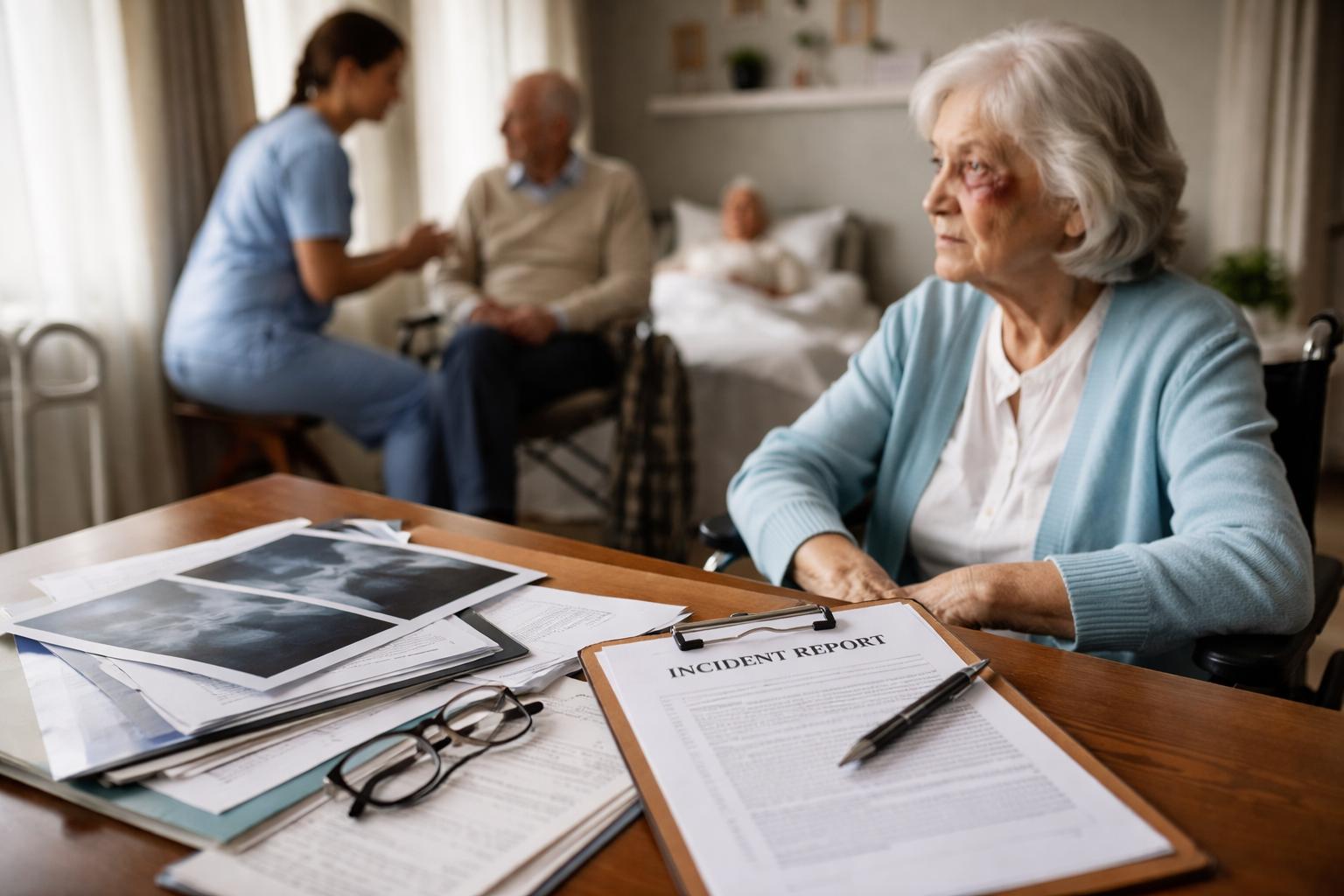
Possible warning signs include unexplained bruises or injuries, frequent falls, pressure sores, dehydration, sudden weight loss, poor hygiene, untreated medical conditions, medication errors, or a noticeable change in the resident’s mood.
A loved one may also become unusually withdrawn or fearful around particular staff members. Missing money, jewelry, credit cards, or other personal property can raise a different type of concern.
None of these signs automatically proves abuse or neglect. There may be another medical or personal explanation. However, repeated or unexplained problems deserve attention.
Nursing Home Residents Have Important Rights in New York
New York provides nursing home residents with a broad set of rights. These include the right to receive quality care without discrimination, make independent decisions, maintain privacy, choose visitors, participate in activities, and have a responsive complaint process.
Residents also have the right to exercise their rights without fear of retaliation.
This matters because families sometimes hesitate to complain. They may worry that speaking up will make the situation worse for their loved one. New York’s resident-rights framework specifically recognizes the resident’s right to be free from abuse and to exercise their rights without fear of reprisals.
What Should You Do If You Suspect Abuse?
Start by making sure the resident is safe. If there is an immediate medical emergency or immediate danger, seek emergency assistance.
For other concerns, keep a written record. Write down dates, times, names of people involved, what you observed, and what the nursing home told you. Keep photographs, medical records, bills, correspondence, messages, and other relevant documentation when available.
New York’s Department of Health allows anyone to file a complaint about nursing home care. Complaints can be confidential and may be submitted anonymously. The Department reviews complaints through its centralized complaint process and may investigate by reviewing medical and facility records, interviewing people, or conducting an onsite investigation.
Reporting Nursing Home Abuse in NYC
Families have several possible avenues for reporting concerns.
The New York State Department of Health investigates complaints involving nursing homes. The state’s Long Term Care Ombudsman Program is another resource designed to advocate for residents, help them understand their rights, and assist with complaints.
The New York Attorney General’s Medicaid Fraud Control Unit also investigates allegations involving patient abuse or neglect, certain infection-control violations, and provider fraud in nursing homes and assisted living facilities.
Which option makes sense can depend on what happened, how serious the situation is, and whether there is an immediate safety concern.
Can You Sue a Nursing Home for Abuse or Neglect?
Potentially, yes. A nursing home abuse or neglect case can involve complicated questions about what happened, who was responsible, what injuries occurred, and whether the available evidence supports a legal claim.
Depending on the circumstances, a case may involve claims related to negligence, medical care, inadequate supervision, physical abuse, financial losses, or other forms of harm. The legal theory and available remedies depend heavily on the individual facts.
A lawyer may review medical records, incident reports, photographs, witness statements, facility records, communications with staff, and other evidence when evaluating a potential claim.
It is also important not to wait unnecessarily. Legal claims have deadlines, and the applicable time limit can depend on the type of claim and the parties involved. Speaking with a New York attorney early can help determine which deadlines apply to a particular situation.
What If the Nursing Home Wants to Transfer or Discharge a Resident?
A nursing home cannot simply treat every transfer or discharge as an ordinary administrative decision.
New York provides residents with appeal rights concerning certain transfers and discharges. The Department of Health explains that residents may request an evidentiary hearing to challenge a proposed transfer or discharge, and the notice should explain the appeal process and available representation.
If your family receives a discharge notice, do not put it aside and assume there is plenty of time. Appeal deadlines can matter.
When Should You Speak With a Lawyer?
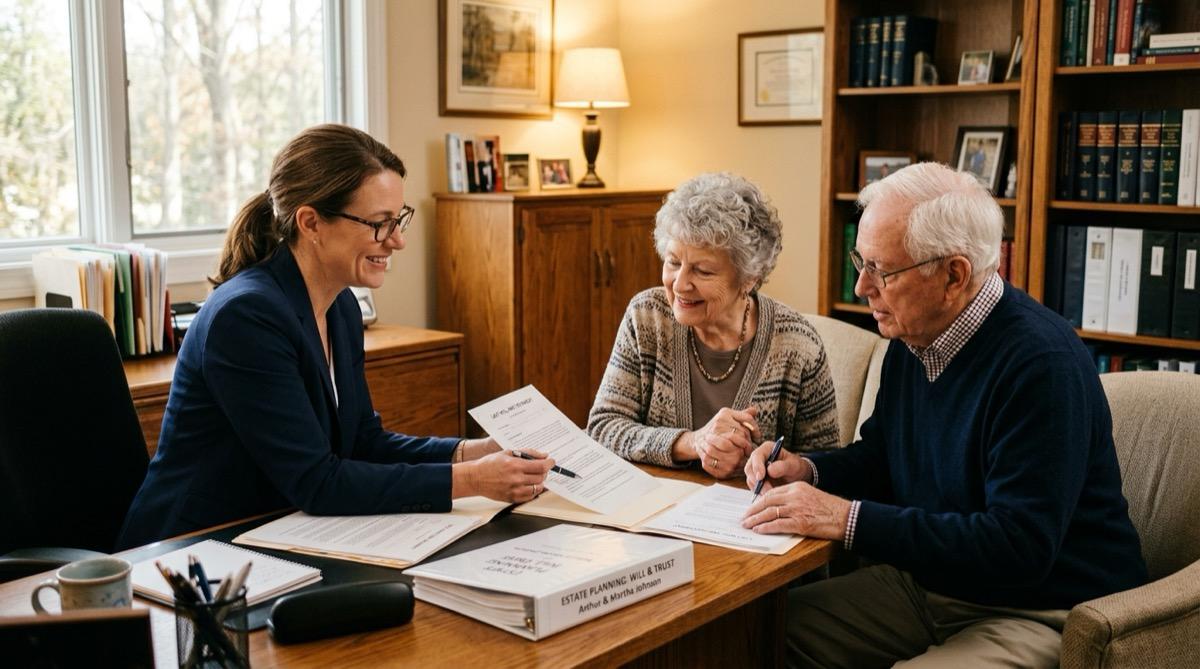
Consider speaking with an attorney when the suspected abuse or neglect caused significant injury, there are repeated incidents, the nursing home disputes what happened, important records are unavailable, financial exploitation is suspected, or the family is considering a legal claim.
A lawyer can help explain the difference between making an administrative complaint and pursuing a civil case. Those are not necessarily the same thing.
It can also be helpful to bring documents to the consultation rather than relying entirely on memory. A simple timeline of events, photographs, medical records, bills, correspondence, and notes from conversations with the facility can give the attorney a clearer picture.
4 FAQs About Nursing Home Abuse in NYC
1. What are common signs of nursing home abuse?
Unexplained injuries, sudden behavioral changes, poor hygiene, pressure sores, dehydration, medication problems, unexplained weight loss, and missing property can be warning signs. They do not automatically establish abuse, but repeated or unexplained concerns should be investigated.
2. Where can I report suspected nursing home abuse in New York?
The New York State Department of Health accepts nursing home complaints, and complaints can be confidential or anonymous. The Long Term Care Ombudsman Program can also assist residents with understanding and exercising their rights.
3. Can a family member file a nursing home abuse complaint?
Yes. New York provides complaint processes that can be used by people reporting concerns about nursing home care. The Attorney General’s complaint system also specifically accepts reports from family members regarding patient abuse, neglect, or mistreatment.
4. Should I hire a lawyer for a nursing home abuse case?
It may be appropriate to consult an attorney when there is serious injury, suspected ongoing abuse or neglect, financial exploitation, a dispute with the facility, or a potential civil claim. An attorney can review the circumstances and explain what legal options may be available.
Final Thoughts
Discovering that a loved one may have been mistreated in a nursing home is upsetting enough without having to figure out the legal system at the same time. The important thing is to take concerns seriously without jumping to conclusions.
Make sure the resident is safe, document what you see, preserve relevant records, and use the available New York complaint and advocacy resources. If the situation involves significant harm or you are considering a lawsuit, getting advice from a New York attorney can help you understand the legal options before important evidence or deadlines become an issue.