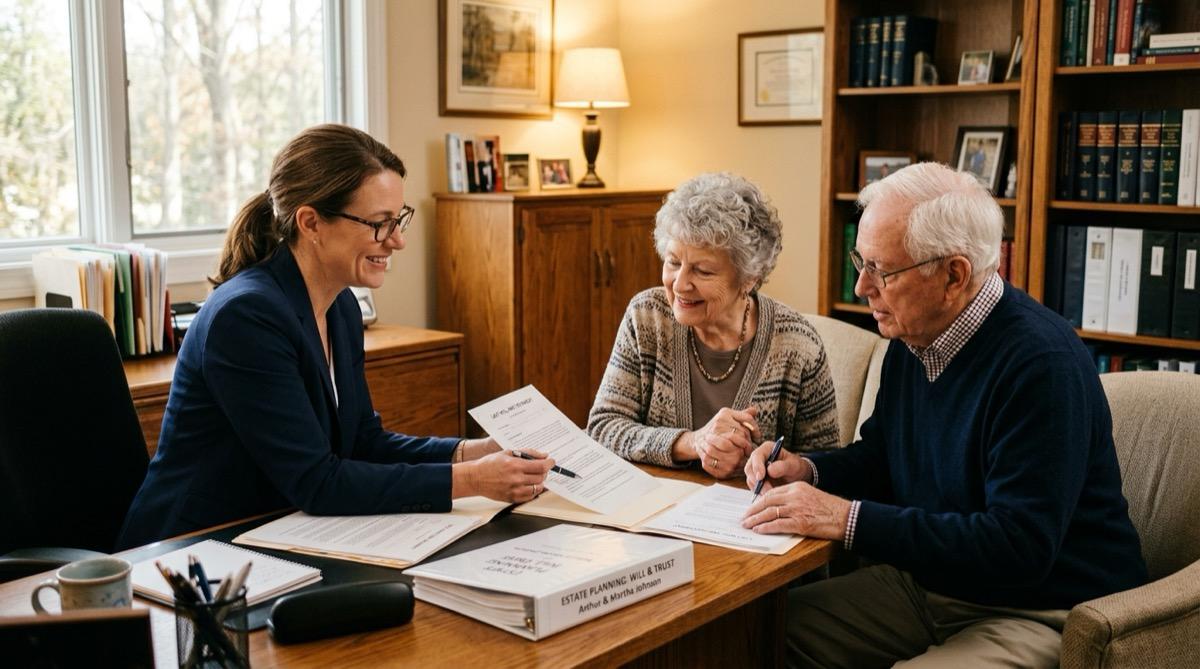
Elder Law in NYC: Laws, Rights and Legal Options
Growing older can bring legal questions that families do not always expect. It may start with something simple, such as helping an aging parent manage bills, and then become more complicated when healthcare decisions, Medicaid, housing, estate planning, or possible abuse become involved. Elder law in NYC covers many of these situations and can help older adults and their families understand their legal rights and available options.
Elder law is not one single area of law. It brings together several legal issues that can affect older New Yorkers, particularly when someone needs assistance managing money, making healthcare decisions, planning for long-term care, or protecting themselves from exploitation.
What Does Elder Law Cover in New York City?
An elder law attorney may help with matters involving Medicaid planning, long-term care, estate planning, powers of attorney, healthcare directives, guardianship, elder abuse, and other issues affecting older adults.
The right legal approach depends heavily on the person’s circumstances. Someone who is still able to make independent decisions may need planning documents, while another person may already need assistance managing finances or personal care.
That distinction matters because New York law generally favors preserving a person’s ability to make their own decisions whenever possible.
Medicaid and Long-Term Care Planning
Paying for long-term care is one of the biggest concerns for many older adults and their families. Medicaid can be important for people who meet its eligibility requirements and need covered long-term care services.
New York’s Medicaid and managed long-term care rules can change, and eligibility depends on the person’s circumstances, finances, and type of care involved. For example, New York’s managed long-term care program has specific enrollment and disenrollment rules, including policy changes that took effect in 2026.
An elder law attorney can help a family understand the legal and financial consequences of transferring assets, applying for benefits, planning for nursing home care, or arranging care at home. It is important not to move assets simply because someone says it will help with Medicaid. Transfers can have significant consequences, so families should get advice based on their particular situation.
Powers of Attorney and Healthcare Decisions
Planning ahead can make difficult situations much easier.
A power of attorney can allow a trusted person to handle certain financial or property matters when the person granting the authority cannot do so themselves. A healthcare proxy, meanwhile, can allow someone to make healthcare decisions when the patient is unable to make or communicate those decisions.
New York Courts identifies advance directives such as healthcare proxies and living wills as alternatives that can help people express their wishes and choose who can assist with healthcare decisions.
These documents are especially worth discussing before a crisis happens. Waiting until someone loses the ability to make decisions can make planning considerably more complicated.
Guardianship for an Incapacitated Adult
Sometimes an older adult can no longer safely manage certain personal or financial matters. In those circumstances, family members may consider guardianship.
New York’s Article 81 guardianship process is designed for adults who are unable to manage some or all of their personal needs or property and are at risk of harm because they cannot understand the consequences of that inability. A judge decides whether guardianship is necessary and determines which powers should be given to the guardian.
Guardianship can involve personal needs, property management, or both. The court is expected to consider less restrictive alternatives before taking away or limiting a person’s decision-making authority.
This is why guardianship should not automatically be viewed as the first solution. A power of attorney, healthcare proxy, supported decision-making, or other arrangement may sometimes address the concern while allowing the older adult to retain more control.
Protecting Older Adults From Abuse and Financial Exploitation
Elder abuse can take different forms, including physical abuse, emotional or psychological abuse, sexual abuse, neglect, and financial exploitation. New York officials continue to identify elder abuse and scams as significant concerns for older residents.
Financial exploitation can be particularly difficult for families to recognize. An older adult may suddenly have unusual withdrawals, unexplained changes to financial documents, new people controlling accounts, unpaid bills, or pressure from someone they trust.
Legal options depend on what happened. In some situations, an attorney may help with financial recovery, protective proceedings, estate issues, or other legal action. If an older person is in immediate danger, however, the first priority should be getting appropriate emergency or protective assistance rather than waiting for a legal case to develop.
Estate Planning and Protecting Assets
Estate planning is another major part of elder law. A basic plan may include a will, power of attorney, healthcare proxy, living will, beneficiary designations, and, where appropriate, trusts.
The purpose is not simply deciding who receives property after death. Good planning can also address who will manage finances, who can make healthcare decisions, and what should happen if the person becomes unable to manage their own affairs.
The appropriate documents depend on the person’s assets, family situation, wishes, and tax and benefit considerations. An attorney can review the existing plan and explain whether changes are appropriate.
When Should You Speak With an Elder Law Attorney?
You do not necessarily need to wait until there is a crisis.
It may make sense to speak with an attorney when an older adult is beginning to need long-term care, considering Medicaid, experiencing financial exploitation, having difficulty managing finances, preparing estate documents, or facing questions about guardianship.
It can also be useful when family members disagree about an older person’s care or finances. Getting legal advice early may help clarify what authority each person actually has instead of allowing a family disagreement to become a much larger problem.
4 FAQs About Elder Law in NYC
1. What does an elder law attorney do in NYC?
An elder law attorney may assist with Medicaid and long-term care planning, estate planning, powers of attorney, healthcare directives, guardianship, elder abuse, financial exploitation, and other legal matters affecting older adults.
2. Does every older adult need a guardianship?
No. Guardianship is a court process and can limit a person’s ability to make certain decisions. New York Courts encourages consideration of less restrictive alternatives when they can adequately meet the person’s needs.
3. Can an elder law attorney help with Medicaid planning?
Yes. An attorney who handles elder law can explain Medicaid eligibility and long-term care planning based on the individual’s circumstances. Because Medicaid rules and financial consequences can be complicated, families should obtain individualized advice before transferring assets or making major financial changes.
4. What can I do if I suspect elder financial abuse?
Document unusual transactions or other concerning activity and consider contacting an appropriate protective or legal resource. An elder law attorney can explain possible legal options based on the circumstances. If the older adult is in immediate danger, contact emergency services.
Final Thoughts
Elder law is really about more than getting documents signed. It is about helping older adults maintain as much independence and control as possible while preparing for situations where they may need assistance.
For families in New York City, issues such as Medicaid, long-term care, estate planning, healthcare decisions, guardianship, and financial exploitation can overlap. Getting legal advice before a serious problem develops can give families a clearer understanding of their options and help them make decisions based on the older adult’s actual needs and wishes.