Nursing Home Abuse in Buffalo: Laws, Rights and Legal Options
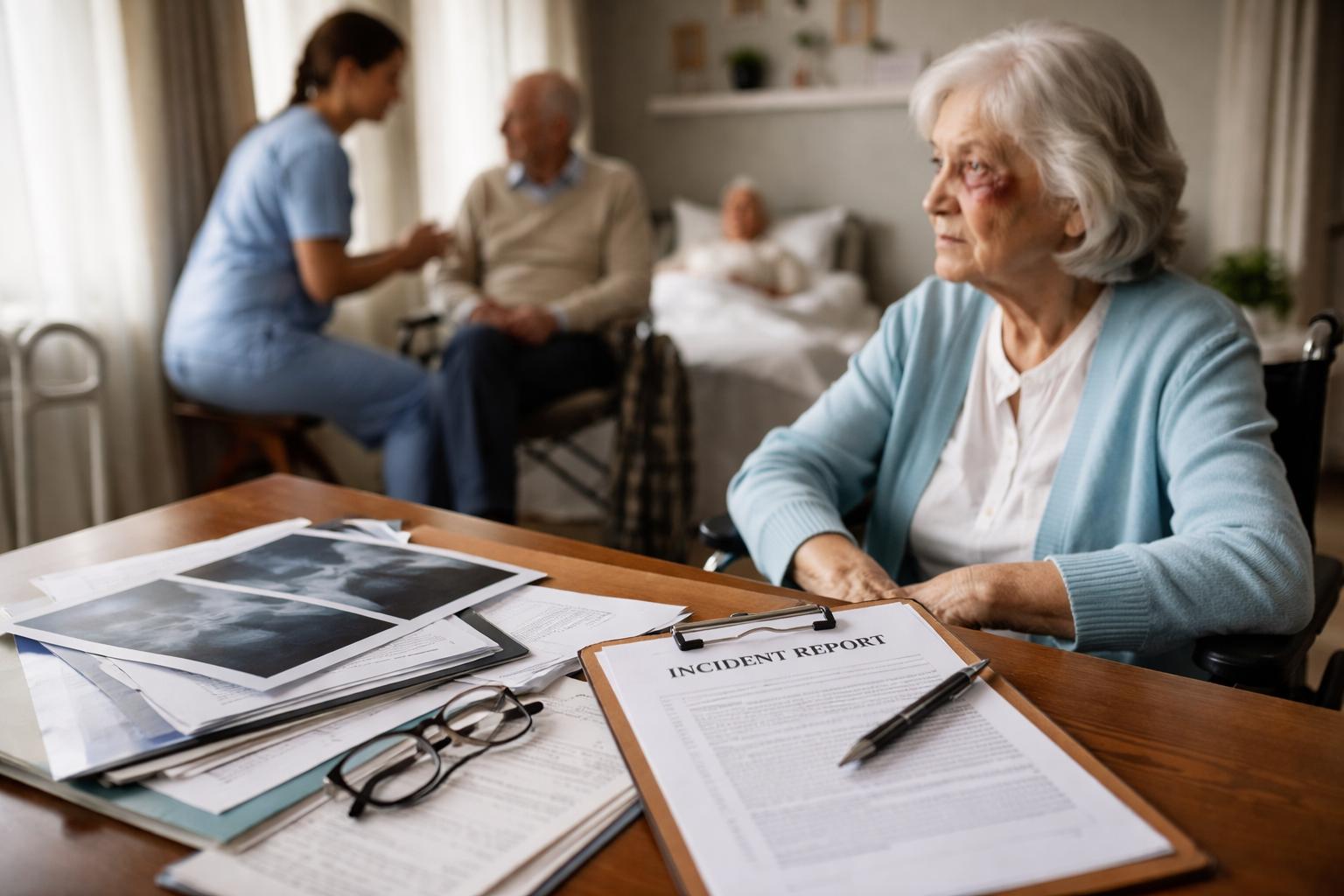
When a family places an older loved one in a nursing home, they expect that person to receive proper care, attention, and respect. Finding unexplained injuries, sudden changes in behavior, poor hygiene, missing belongings, or signs of neglect can be deeply concerning. Nursing home abuse in Buffalo can take different forms, and families do not always know whether what they are seeing is simply poor care or something that may require legal action.
New York gives nursing home residents specific rights, including the right to dignity, quality care, privacy, and freedom from physical, verbal, sexual, and mental abuse. Residents also have the right to make complaints without fear of retaliation.
What Can Nursing Home Abuse Look Like?
Abuse is not always obvious. Physical abuse may involve hitting, pushing, inappropriate restraints, or other intentional harm. Emotional or verbal abuse can involve threats, humiliation, intimidation, or treating a resident disrespectfully.
There can also be sexual abuse, financial exploitation, and neglect. Neglect may involve failing to provide adequate food or fluids, medication errors, inadequate supervision, untreated injuries, poor hygiene, or failure to prevent avoidable accidents.
The New York State Department of Health specifically evaluates nursing homes for issues involving abuse, neglect, mistreatment, medication errors, hydration, nutrition, supervision, and resident safety.
One missed meal may not tell you much by itself. A continuing pattern of unexplained problems, however, deserves attention.
What Rights Do Nursing Home Residents Have in Buffalo?
Buffalo nursing homes are subject to New York State requirements governing resident care and rights. A resident has the right to be treated with dignity and respect and to receive quality care without discrimination.
Residents also have rights involving privacy, personal choices, visitors, personal property, and complaints. Importantly, New York states that nursing home residents have the right to be free from abuse and restraints and to exercise their rights without fear of reprisals.
These protections apply whether the resident is able to speak up independently or needs a family member or advocate to help communicate concerns.
What Should You Do If You Suspect Abuse?
If you believe someone is in immediate danger, addressing the immediate safety concern should come first. Depending on the circumstances, that may mean contacting emergency services or medical professionals.
For suspected problems involving a nursing home, New York’s Department of Health accepts complaints concerning state or federal regulatory violations. Complaints can be submitted through the state’s nursing home complaint process. The Department says complaints may be investigated through interviews, medical-record reviews, facility-record reviews, and on-site investigations when appropriate.
The Department’s nursing home complaint hotline is 1-888-201-4563 and is available 24 hours a day, seven days a week.
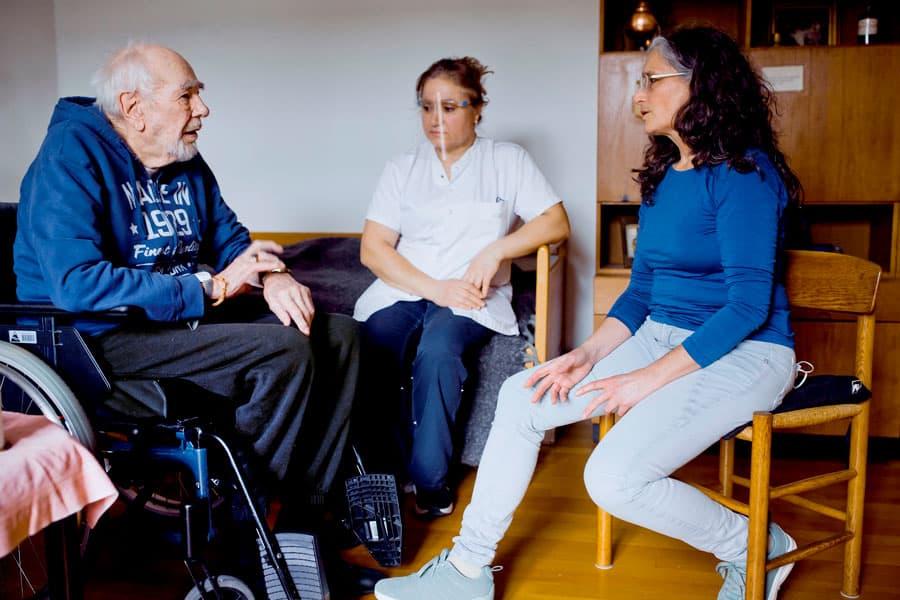
Families can also consider contacting the Long Term Care Ombudsman Program for advocacy and assistance with nursing-home concerns.
Keep Records of What You Notice
If something seems wrong, start documenting it.
Write down dates, times, names of staff members involved, what you observed, and what the facility told you. Keep copies of medical records, photographs of visible injuries when appropriate, bills, correspondence, care-plan information, and complaint records.
Do not alter photographs or documents. Keep the original information whenever possible.
These records can help a family understand whether there is an ongoing pattern and can also be useful when speaking with regulators, an ombudsman, or an attorney.
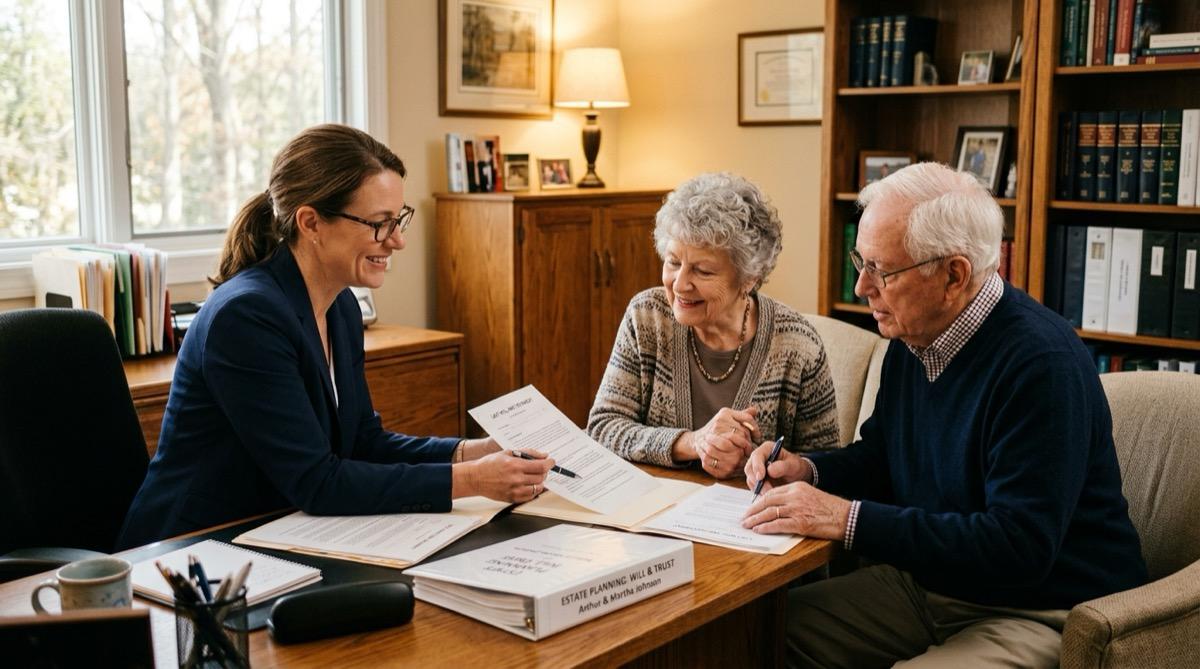
When Should You Talk to a Buffalo Nursing Home Abuse Lawyer?
A legal consultation may be worth considering when a resident has suffered a serious injury, there are repeated concerns about care, the nursing home has not adequately addressed complaints, or you believe abuse or neglect caused significant harm.
An attorney can review the circumstances and explain what legal claims may potentially apply. Depending on the facts, the matter could involve negligence, personal injury, medical issues, statutory protections, or claims brought on behalf of a deceased resident.
It is important not to assume that every unfortunate outcome in a nursing home automatically amounts to legal negligence. An attorney generally needs to examine the resident’s condition, medical history, records, staffing and care issues, and the circumstances surrounding the alleged harm.
How Long Do You Have to File a Claim?
Time limits matter in New York. The applicable statute of limitations can depend on the type of claim, the defendant, and the circumstances involved. New York Courts explains that statutes of limitations establish deadlines for bringing different types of cases, and a claim filed after the applicable period may be time-barred.
That is why families should not wait unnecessarily if they believe a serious injury or wrongful death may have resulted from abuse or neglect. A lawyer can determine which deadlines may apply to the specific situation.
Can a Nursing Home Be Held Responsible?
Potential responsibility depends on what happened and what the evidence shows. A case might involve the facility itself, an individual employee, a medical provider, or another responsible party.
New York’s regulatory system can investigate whether a facility violated state or federal requirements. If the Department of Health finds a violation, it may issue a citation and require the facility to submit an acceptable plan of correction.
A regulatory investigation and a civil lawsuit are separate matters. A family may want to discuss both with an attorney before deciding what steps make sense.
What Should You Bring to a Legal Consultation?
If you decide to speak with a Buffalo attorney, bring as much relevant information as you reasonably can. This might include:
- Medical records and hospital records
- Photographs of injuries or living conditions
- Nursing home correspondence
- Care plans and incident reports
- Names of witnesses or staff members
- Bills and other financial records
- A timeline of concerning events
- Copies of complaints submitted to the facility or government agencies
You do not need to have everything perfectly organized before calling a lawyer. Start with what you have and explain what happened as accurately as possible.
4 FAQs About Nursing Home Abuse in Buffalo
1. What are common signs of nursing home abuse?
Unexplained injuries, sudden behavioral changes, poor hygiene, untreated medical problems, medication issues, unusual fear around certain staff members, missing belongings, and repeated unexplained accidents can all warrant further attention. None of these signs alone automatically proves abuse.
2. Where can I report suspected nursing home abuse in Buffalo?
Complaints involving New York nursing homes can be submitted to the New York State Department of Health. The nursing home complaint hotline is 1-888-201-4563 and operates 24 hours a day, seven days a week.
3. Can a family member file a complaint for a nursing home resident?
Yes. New York’s Department of Health provides a complaint process for concerns involving nursing home care. Complaints can be submitted by people other than the resident, including family members.
4. Should I hire a lawyer if my loved one was injured in a nursing home?
It can be useful to speak with an attorney when the injury is serious, the circumstances are unclear, there are repeated care concerns, or you believe abuse or neglect may have caused the harm. An attorney can review the facts and explain potential legal options and applicable deadlines.
Final Thoughts
When an aging parent or loved one depends on a nursing home, noticing something that does not seem right can be upsetting. Families do not have to ignore those concerns simply because they are unsure whether the situation legally qualifies as abuse or neglect.
New York nursing home residents have important protections, including the right to dignity, appropriate care, and freedom from abuse. If concerns arise, documenting what happened, reporting suspected problems, and getting appropriate legal advice can help a family understand what options may be available.
The most important thing is to take concerns seriously while allowing the facts and evidence to guide the next step.