Car Accident in Rochester: Laws, Rights and Legal Options
A car accident in Rochester can leave you dealing with much more than a damaged vehicle. You may be trying to recover from an injury, talking with insurance companies, missing work, or simply figuring out what you are supposed to do next. New York’s auto insurance system also has rules that can make accident claims different from what people expect. Understanding your rights early can help you avoid overlooking important steps.
What Should You Do After a Car Accident in Rochester?
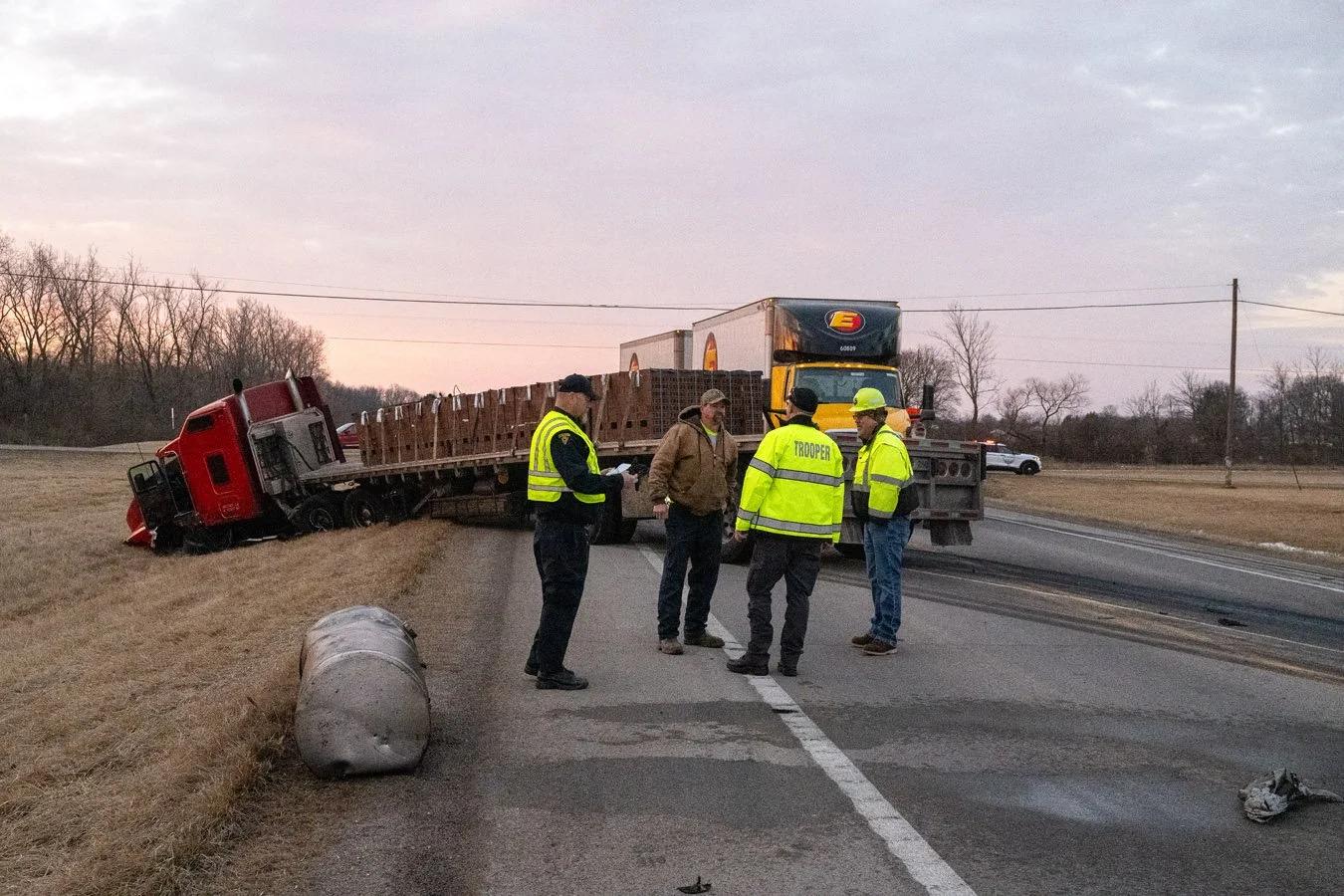
The first priority after a crash is safety. If you are injured, seek medical attention even if the pain does not seem serious at first. Some injuries become more noticeable hours or days after a collision.
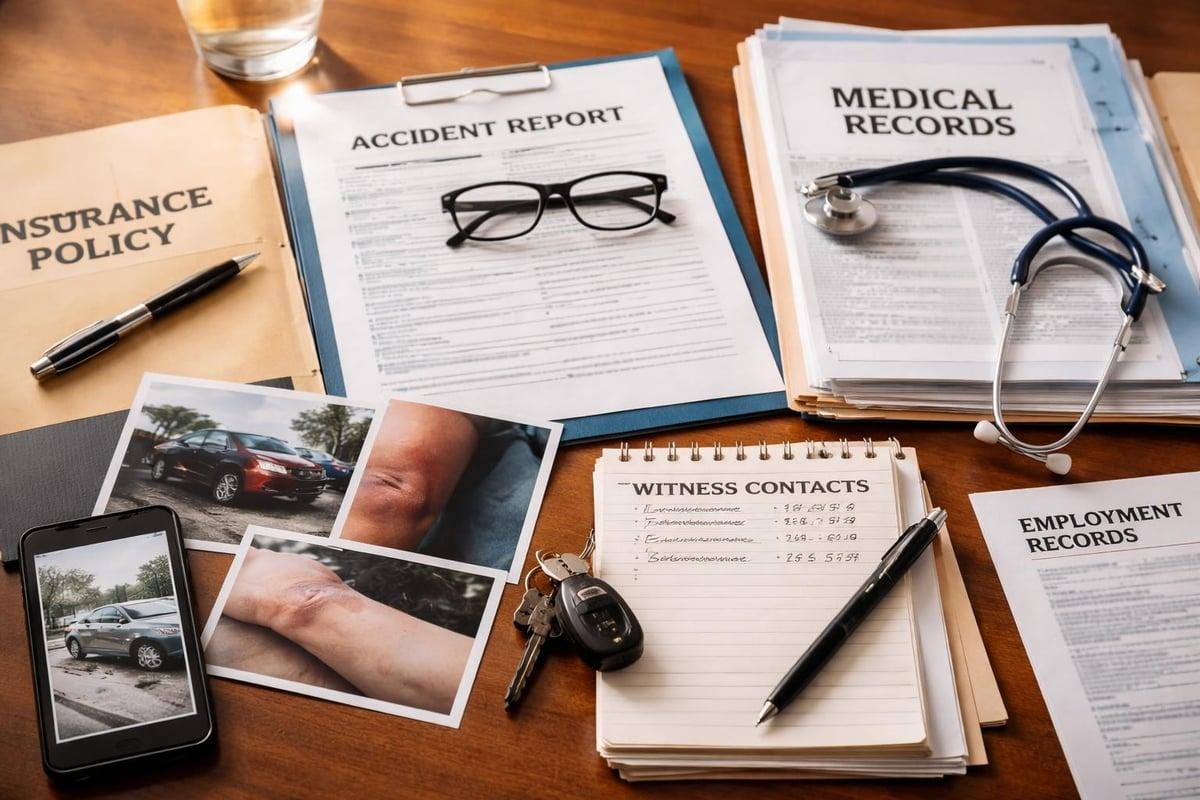
You should also exchange information with the other driver and document the accident when it is safe to do so. Photos of the vehicles, roadway, traffic signs, visible injuries, and surrounding conditions can become useful later.
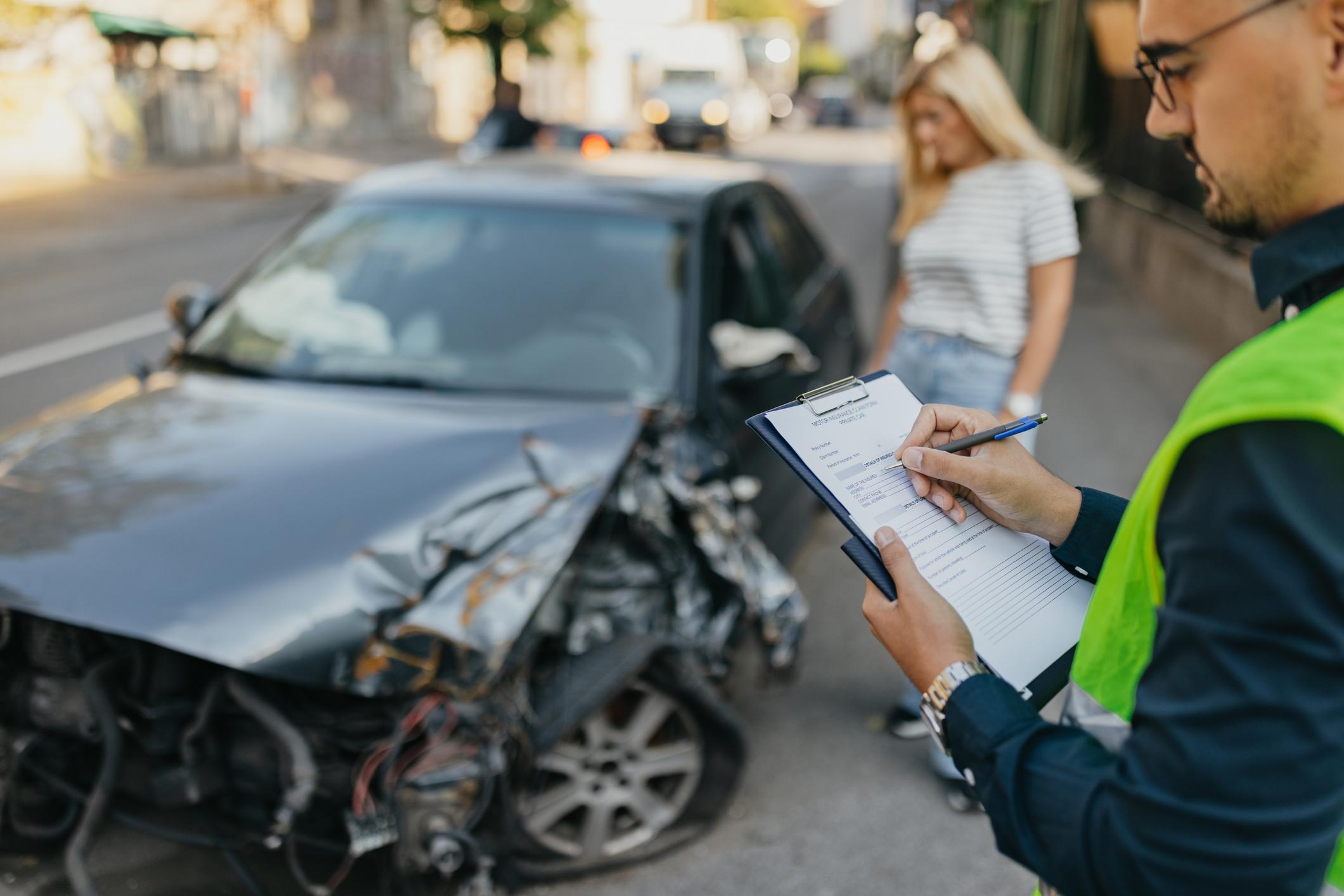
New York requires drivers to report certain crashes to the DMV. A written MV-104 report is required when a crash involves a death, personal injury, or property damage to any one person’s property exceeding $1,000, and the report generally must be filed within 10 days.
How Does New York No-Fault Insurance Work?
One of the most important things to understand after a Rochester accident is New York’s no-fault insurance system.
No-fault Personal Injury Protection, commonly called PIP, is designed to pay certain economic losses after an accident regardless of who caused the crash. Basic no-fault coverage provides up to $50,000 per person for covered basic economic losses, including medical expenses, certain lost earnings, and other reasonable and necessary expenses.
That does not mean an injured person can never bring a lawsuit against the driver who caused the accident. New York law generally limits lawsuits for pain and suffering to situations involving a qualifying “serious injury.”
This distinction can be important because someone may have medical bills and wage losses covered through no-fault while separately considering whether a personal injury claim is available.
What Counts as a Serious Injury?
New York Insurance Law § 5102(d) contains several categories of serious injury. They include conditions such as a fracture, significant disfigurement, permanent loss of use of a body organ or member, permanent consequential limitation of use, significant limitation of use, and certain medically determined impairments lasting for at least 90 of the first 180 days following the accident.
Recent New York appellate decisions continue to show why this threshold matters. Courts may examine medical evidence, limitations in movement or function, and whether the claimed condition was actually caused by the accident.
For example, in a 2026 Fourth Department case involving a motor vehicle accident, the court considered objective medical evidence and the relationship between the claimed injury and the accident when reviewing the serious-injury issue.
What If the Other Driver Was at Fault?
If another driver caused the collision through conduct such as speeding, distracted driving, failing to yield, or another traffic violation, liability may become an important part of an injury claim.
However, determining fault is not always as simple as looking at the damage to the vehicles. Police reports, photographs, witness statements, traffic-camera footage, vehicle damage, medical records, and other evidence may all matter.
It is also possible for the other side to dispute how the accident happened or argue that the injured person contributed to the accident. The exact effect of comparative fault depends on the facts and applicable New York law.
What If the Other Driver Has No Insurance?
An accident becomes more complicated when the responsible vehicle is uninsured or cannot be identified, such as in a hit-and-run.
New York’s Department of Financial Services explains that certain injured people may have access to uninsured motorist coverage or, when applicable, coverage through a household family member’s auto policy. If there is no applicable household policy, the Motor Vehicle Accident Indemnification Corporation may provide a possible avenue for certain claims.
This is one reason it is important not to assume that an unidentified driver automatically means there is no possible source of compensation.
How Long Do You Have to File a Car Accident Lawsuit in New York?
Time limits matter. New York Courts’ statute-of-limitations timetable lists three years from the date of the accident for many civil claims arising from car accidents.
That does not mean you should wait three years before speaking with a lawyer. Insurance claims, medical treatment, evidence preservation, and no-fault requirements can involve much earlier deadlines or practical considerations.
Different rules can also apply when a government entity, municipal vehicle, or other special circumstance is involved. Getting legal advice early can help identify which deadlines apply to your particular situation.
Can You Recover Money for More Than Medical Bills?
Depending on the circumstances and whether the legal requirements for a personal injury lawsuit are satisfied, a claim may involve damages beyond immediate medical expenses.
Potential damages can include certain economic losses as well as non-economic damages such as pain and suffering. New York’s no-fault system is designed to cover certain basic economic losses, while a successful liability claim may address damages that fall outside the no-fault system.
The amount and types of damages available depend heavily on the injuries, evidence, insurance coverage, liability, and other facts surrounding the accident.
When Should You Talk to a Rochester Car Accident Lawyer?
You do not necessarily need an attorney for every minor fender-bender. However, legal advice may become particularly important when someone is seriously injured, the insurance company disputes the claim, fault is contested, multiple vehicles are involved, the other driver has limited or no insurance, or the accident has created substantial medical bills or lost income.
A lawyer can review the circumstances, explain how New York’s no-fault and serious-injury rules may apply, and discuss the options available based on the evidence.
4 FAQs About Car Accidents in Rochester
1. Does New York have no-fault insurance?
Yes. New York requires automobile owners to carry no-fault Personal Injury Protection coverage. Basic no-fault coverage generally provides up to $50,000 per person for covered basic economic losses.
2. Can I sue the driver who caused my Rochester car accident?
Possibly. New York’s no-fault system generally restricts personal injury lawsuits for non-economic damages unless the injured person meets the statutory serious-injury threshold.
3. How long do I have to bring a car accident lawsuit in New York?
New York Courts lists three years from the date of a car accident for many civil claims. However, exceptions and different deadlines can apply, so it is important to check the specific circumstances of the accident.
4. Should I see a doctor after a Rochester car accident?
If you are injured or develop symptoms after the crash, seeking appropriate medical care is important. Medical records can also become relevant evidence when an injury claim is being evaluated.
Final Thoughts
A Rochester car accident can quickly turn into an insurance, medical, and legal problem. Knowing how New York’s no-fault system works, understanding the serious-injury requirement, keeping records, and paying attention to deadlines can make the situation easier to navigate.
If your injuries are significant or the insurance company is disputing your claim, a Rochester-area personal injury attorney can explain how the law applies to your particular circumstances and what legal options may be available.