Personal Injury in Rochester: Laws, Rights and Legal Options
An accident can leave you dealing with much more than the injury itself. There may be medical appointments, missed work, insurance calls, repair bills, and questions about who is actually responsible. For someone dealing with these problems in Rochester, understanding personal injury in Rochester starts with knowing what rights may be available and what steps can affect a potential claim.
New York personal injury law covers many different situations, including car accidents, truck crashes, slip and falls, workplace-related injuries, defective products, and other incidents caused by another person’s negligence. The legal process can look very different depending on what happened, who may be responsible, and the type of injury involved.
When Can Someone Make a Personal Injury Claim?
A personal injury claim generally involves an injury caused by another person’s wrongful conduct, negligence, or failure to use reasonable care. For example, a driver who causes a collision, a property owner who fails to address a dangerous condition, or a business that creates an unsafe situation could potentially face a claim depending on the facts.
The important part is proving more than simply showing that an accident occurred. The circumstances surrounding the accident, available evidence, medical records, and connection between the incident and the injury can all matter.
What Types of Injuries Can Lead to a Claim?
Personal injury cases in Rochester can arise from many everyday situations.
Some common examples include:
- Motor vehicle and motorcycle accidents
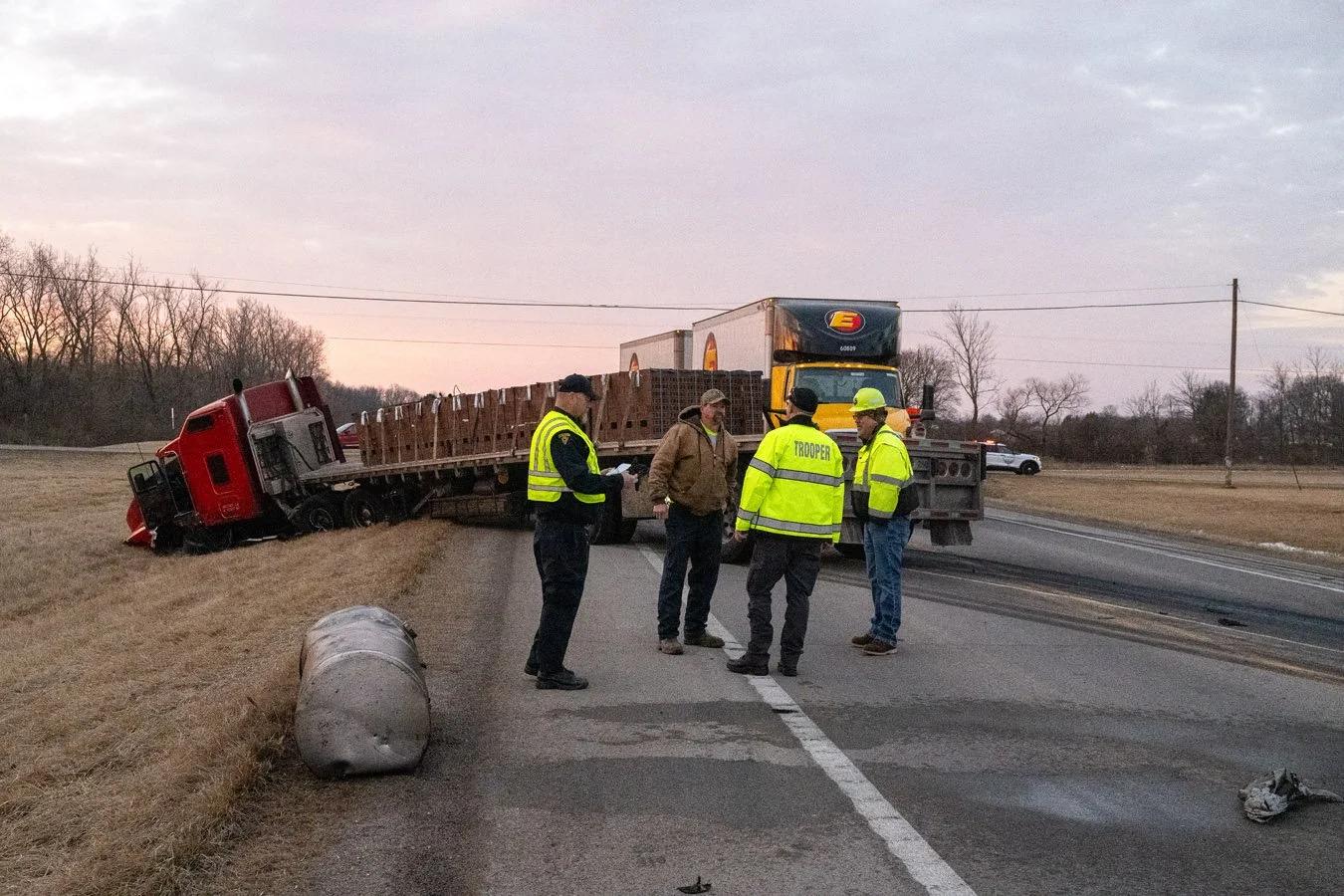
- Truck and commercial vehicle crashes
- Pedestrian and bicycle accidents
- Slip-and-fall accidents
- Injuries caused by unsafe property conditions
- Construction-related accidents
- Defective or dangerous products
- Certain medical malpractice claims
- Dog bite and animal-related injuries
The legal rules are not identical for every type of case. For example, New York’s general statute of limitations for personal injury actions is three years, while medical malpractice generally has a two-year-and-six-month limitation period.
New York Uses Comparative Fault
One thing accident victims sometimes misunderstand is that being partly responsible does not automatically mean they lose the right to seek damages.
Under New York CPLR § 1411, a person’s own culpable conduct generally does not completely bar recovery in a personal injury action. Instead, the damages can be reduced in proportion to that person’s share of responsibility. There is an important exception for certain motor-vehicle-related cases governed by New York’s no-fault insurance provisions when the claimant’s culpable conduct exceeds the applicable threshold described in the statute.
That means details matter. Statements made after an accident, photographs, witness accounts, medical records, and other evidence can become important when the parties disagree about what happened.
How Long Do You Have to File?
Timing is one of the biggest issues in a personal injury case.
For many ordinary personal injury claims, New York law provides a three-year period to commence an action. New York Courts specifically lists three years for car accidents and other negligence-based personal injury claims such as slip and falls.
But that does not mean every injured person has three years to take every legal step.
Claims involving a government agency can have much shorter notice requirements. New York Courts explains that a person generally must provide a government entity with a Notice of Claim within 90 days in cases where that requirement applies, with separate rules governing when a lawsuit must then be started.
Because different deadlines can apply depending on the defendant and type of claim, waiting simply because the general three-year period has not expired can create unnecessary risk.
What Compensation May Be Available?
The damages available in a personal injury case depend on the circumstances and applicable law.
Potential damages may involve losses such as medical expenses, lost income, and other economic losses. Depending on the claim, damages may also relate to pain and suffering and the impact an injury has had on a person’s everyday life.
It is important not to assume that an insurance settlement offer automatically represents the full value of a claim. An insurer may evaluate the available medical records, accident evidence, liability arguments, and other information before making an offer.
What Should You Do After an Accident?
What happens immediately after an accident can affect what evidence is available later.
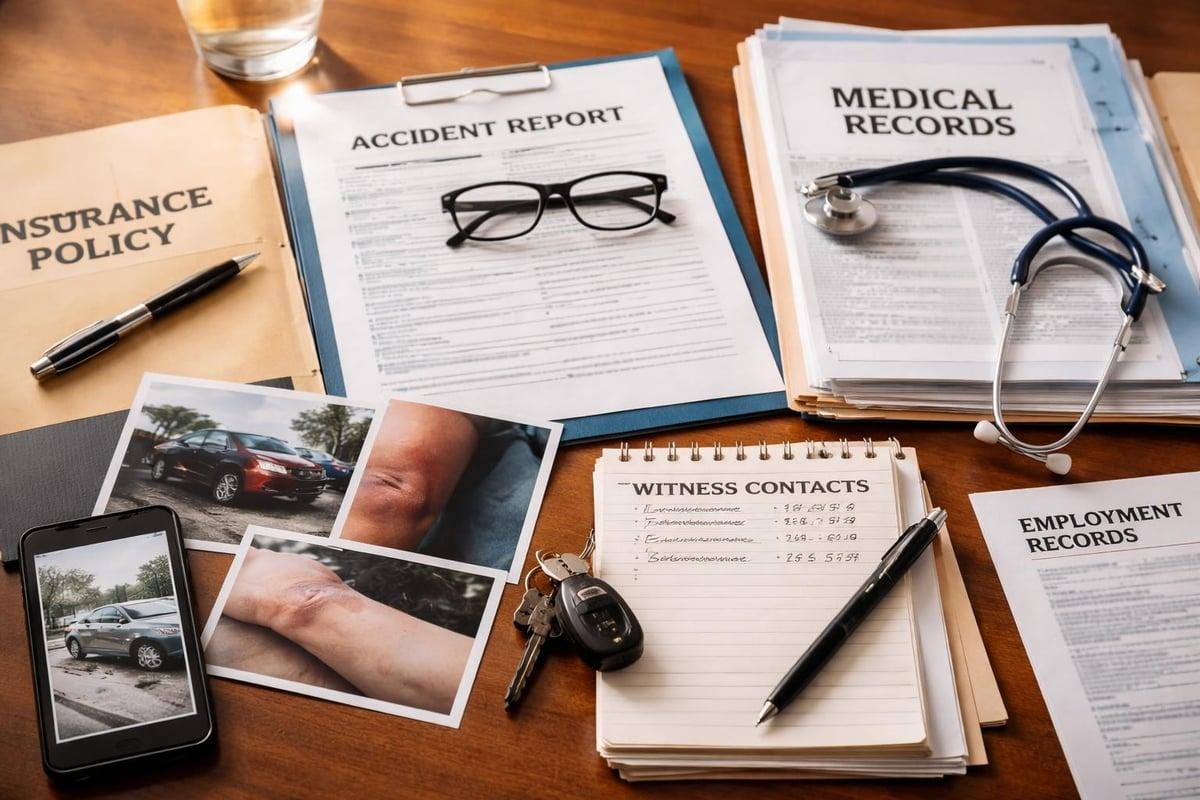
If you are physically able, document the scene, keep photographs and videos, collect contact information from witnesses, and obtain copies of relevant accident reports. Keep medical records, bills, prescriptions, employer records concerning missed work, and communications with insurance companies.
Medical attention is also important. Some injuries become more noticeable after the initial shock of an accident wears off. Medical documentation can help establish what treatment was needed and when symptoms developed.
You should also be careful about making broad statements to an insurance company before you understand the situation. A lawyer can explain what information may be relevant and how a claim could proceed.
When Should You Speak With a Personal Injury Lawyer?
There is no requirement that every accident victim hire a lawyer. Some relatively straightforward claims may be handled directly with an insurer.
A consultation can become particularly useful when there is a dispute about who caused the accident, serious or lasting injuries, significant medical expenses, lost income, multiple potentially responsible parties, or an insurance company that is challenging the claim.
A lawyer can review the facts, identify potential claims, explain applicable deadlines, and discuss possible ways to pursue compensation. The lawyer can also explain whether negotiation, settlement, or litigation may be appropriate based on the circumstances.
What If the Accident Happened on Public Property?
Cases involving a city, county, school district, or another government-related entity can involve additional procedural requirements. New York Courts warns that applicable government claims may require a Notice of Claim within 90 days.
This is one reason a person injured on a public sidewalk, government property, or in an incident involving a government vehicle should not assume the same process applies as it would in a private-property case.
4 FAQs About Personal Injury in Rochester
1. How long do I have to file a personal injury lawsuit in Rochester?
Many ordinary New York personal injury actions have a three-year statute of limitations, but exceptions apply. Government defendants, medical malpractice claims, and other specific circumstances can involve different deadlines.
2. Can I still recover compensation if I was partly responsible for the accident?
In many personal injury cases, yes. New York generally reduces damages according to the claimant’s share of culpable conduct rather than automatically preventing recovery. Certain motor-vehicle cases have additional rules.
3. What evidence should I keep after an accident?
Keep photographs, videos, accident reports, medical records, bills, proof of lost income, witness information, insurance correspondence, and other records connected to the incident. The specific evidence needed depends on the type of claim.
4. Should I speak with a lawyer before accepting an insurance settlement?
If the injury is serious, the claim is disputed, or you are unsure whether the settlement covers your losses, getting legal advice before accepting an offer can help you understand the potential consequences of settling.
Final Thoughts
A personal injury case is rarely just about the moment an accident happened. What matters afterward can include the medical treatment, evidence, insurance coverage, responsibility for the accident, financial losses, and deadlines that apply to the claim.
For someone injured in Rochester, getting organized early can make it easier to understand what options are available. If the situation involves serious injuries, disputed responsibility, a government defendant, or complicated insurance issues, speaking with a qualified New York personal injury attorney can help clarify the legal process before important deadlines pass.