Truck Accident in Rochester: Laws, Rights and Legal Options
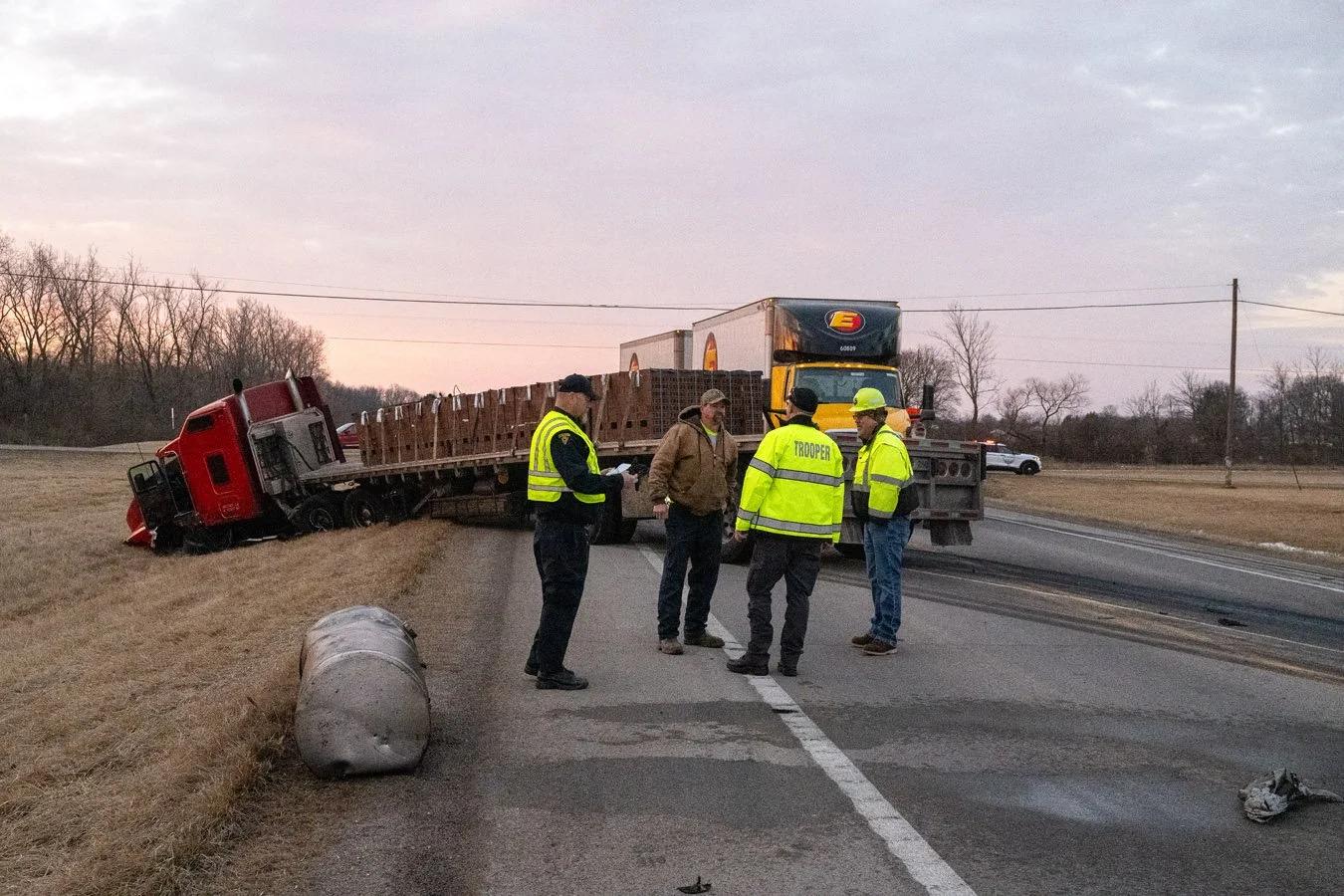
A truck accident in Rochester can be very different from an ordinary car crash. A commercial truck is much larger and heavier than a passenger vehicle, and figuring out what happened may involve more than simply comparing the stories of two drivers. There may be a trucking company, vehicle owner, driver, maintenance provider, cargo loader, or another party involved. If someone is seriously injured, understanding New York’s truck accident laws and the legal options available can become important very quickly.
What Can Cause a Truck Accident in Rochester?
Truck crashes can happen for many reasons. Driver distraction, fatigue, speeding, unsafe lane changes, poor visibility, mechanical problems, improperly secured cargo, and dangerous road conditions can all play a role.
In some cases, the cause is obvious at the scene. In others, the reason becomes clearer only after looking at records and physical evidence. Commercial vehicles can generate information that may help reconstruct what happened, including vehicle data, photographs, driver records, maintenance documentation, delivery information, and other records depending on the circumstances.
That is one reason truck accident claims can become more complicated than they first appear.
Who May Be Responsible for a Truck Accident?
The truck driver is not necessarily the only person who can be held responsible.
Depending on the facts, a claim could involve:
- The truck driver
- The trucking company
- The owner or lessor of the truck
- A company responsible for maintenance
- A cargo-loading company
- A manufacturer of a defective truck component
- Another driver or vehicle involved in the crash
Determining responsibility requires looking at what each party actually did or failed to do. Simply being connected to the truck does not automatically make someone legally responsible.
New York’s No-Fault Rules Can Matter After a Truck Crash
New York generally provides first-party benefits under its no-fault insurance system for covered motor-vehicle accidents. These benefits can help with certain economic losses regardless of who caused the crash.
However, no-fault coverage does not mean every injured person can automatically bring a lawsuit for pain and suffering.
New York’s Insurance Law generally requires an injured person to meet the statutory definition of a “serious injury” to recover certain non-economic damages arising from a motor vehicle accident. The definition includes conditions such as death, fractures, significant disfigurement, permanent loss or limitation of use, and significant limitation of use.
Recent New York appellate decisions continue to address disputes over whether an injury meets this threshold, including questions involving range-of-motion limitations and medical evidence.
What Evidence Can Matter in a Rochester Truck Accident Claim?
After a serious crash, evidence can become harder to obtain as time passes.
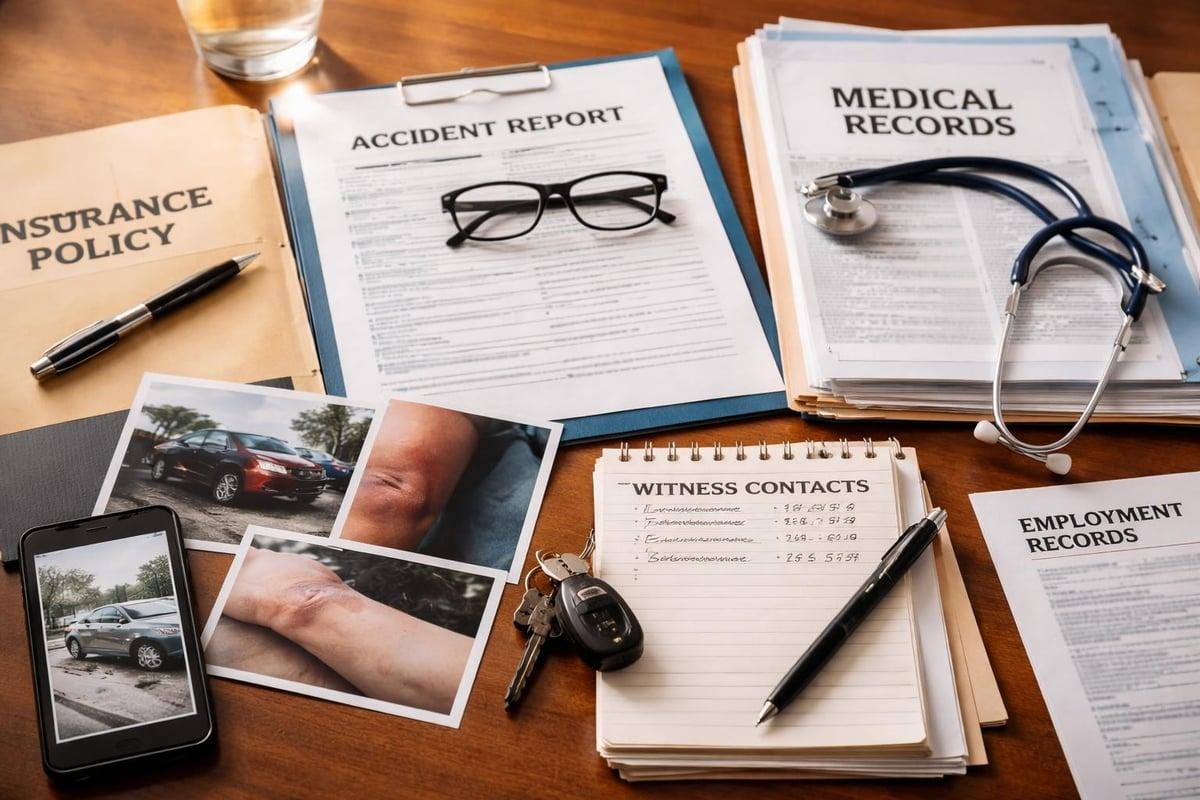
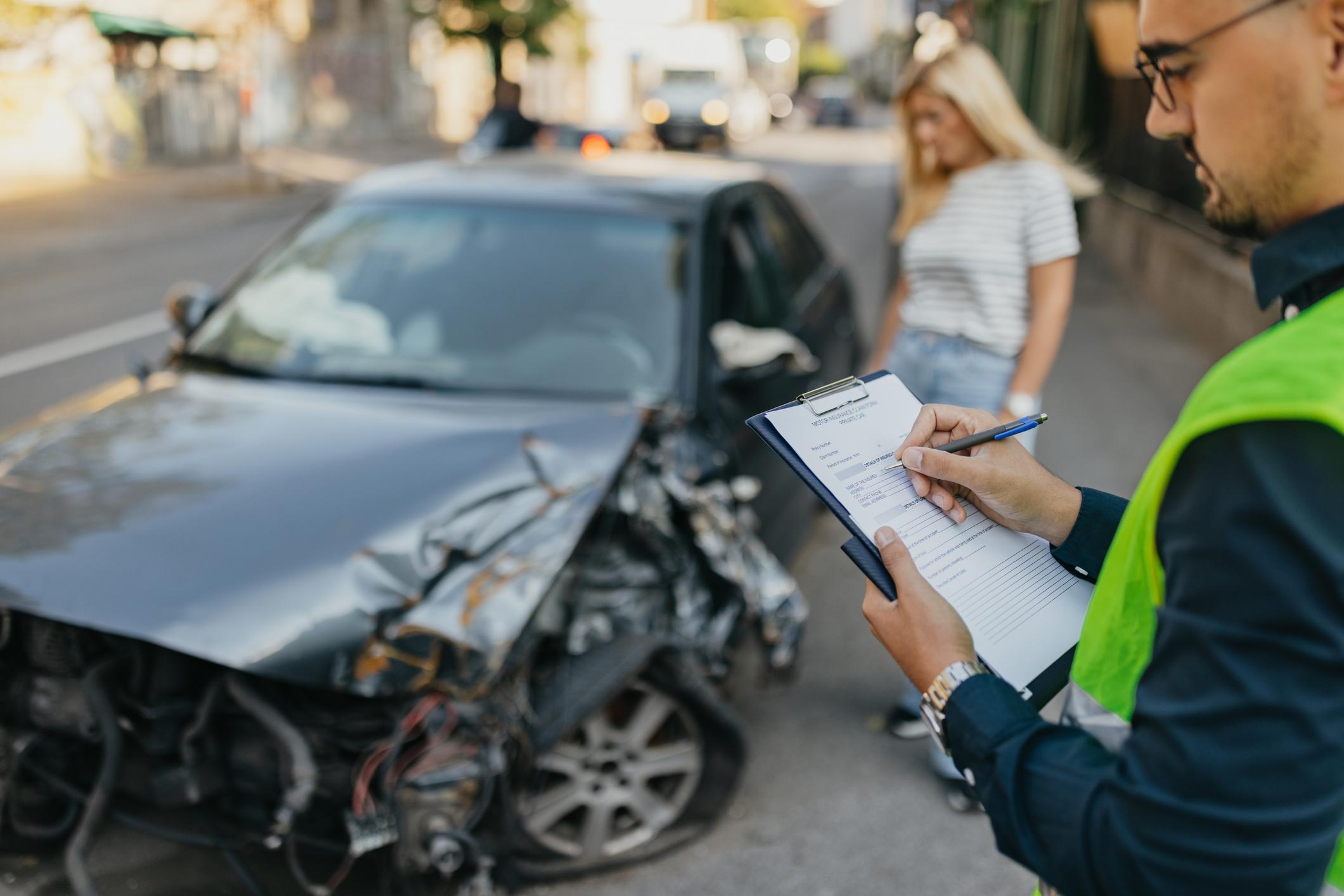
Depending on the accident, useful evidence may include photographs and video from the scene, police reports, medical records, witness statements, vehicle damage, surveillance footage, electronic vehicle information, driver records, maintenance records, and information concerning the truck’s cargo.
For example, if a truck suddenly moved into another lane, the physical damage and available vehicle or roadway evidence may help establish what occurred. If the truck had a mechanical problem, maintenance records could become important. If fatigue is alleged, relevant driver and scheduling records may also need to be examined.
The exact evidence available will depend on the type of truck, the companies involved, and the circumstances of the collision.
What If You Were Partly at Fault?
Being partly responsible for a crash does not necessarily mean you cannot recover damages.
New York recognizes comparative negligence. Recent appellate litigation has continued to address comparative-negligence defenses in motor-vehicle injury cases.
How much a person can ultimately recover can depend on the percentage of fault assigned to each party and the damages established in the case. Because fault can be disputed after a truck collision, statements made immediately after an accident can sometimes become important later.
It is generally better to provide accurate information rather than guessing about what happened.
How Long Do You Have to File a Truck Accident Lawsuit in New York?
For many ordinary personal-injury claims, New York’s CPLR § 214 provides a three-year limitations period.
That does not mean every truck accident claim has exactly three years. Different rules can apply depending on who is being sued, whether a government entity is involved, the nature of the claim, and other circumstances.
Because missing a legal deadline can seriously affect a claim, an injured person should not assume that waiting is harmless. Getting advice early can also give an attorney more opportunity to identify and preserve relevant evidence.
When Should You Speak With a Truck Accident Lawyer?
There is no requirement that every truck accident victim hire an attorney. A consultation can nevertheless be useful when the injuries are serious, fault is disputed, an insurance company is challenging the claim, or several companies may be involved.
A lawyer can review the basic facts and explain what claims may exist, what evidence could matter, how insurance coverage may work, and whether litigation is appropriate.
This can be especially relevant when the other side has an insurer and legal representatives working on the claim soon after the collision.
What Should You Do After a Truck Accident?
After a crash, immediate medical and safety concerns come first. Once you are safe, preserve whatever information you reasonably can.
Keep photographs, medical records, bills, insurance correspondence, and information from witnesses. Avoid deleting relevant messages, photographs, or other records. If an insurance company asks you for a statement or offers a settlement, understand what you are agreeing to before signing anything.
A settlement can affect future rights, particularly when the full extent of an injury is not yet clear.
4 FAQs About Truck Accidents in Rochester
1. Can I sue after a truck accident in Rochester?
Possibly. New York’s no-fault system affects motor-vehicle injury claims, and a person generally must satisfy the statutory serious-injury requirement to pursue certain non-economic damages. The specific facts and injuries matter.
2. Who can be responsible for a truck accident?
Potentially the truck driver, trucking company, vehicle owner, maintenance provider, cargo-related company, manufacturer, or another party may have legal responsibility. It depends on the facts and evidence.
3. How long do I have to file a truck accident claim in New York?
Many personal-injury actions are subject to a three-year limitations period under CPLR § 214, but exceptions and different deadlines can apply.
4. What should I bring when meeting a truck accident lawyer?
Bring the accident report if available, photographs, medical records, insurance information, bills, correspondence from insurers, witness information, and any other documents connected to the crash. A basic timeline of what happened can also help.
Final Thoughts
A truck accident in Rochester can leave someone dealing with medical treatment, damaged property, missed work, insurance calls, and uncertainty about what happens next. The legal side can become even more complicated when a commercial vehicle, trucking company, or multiple potentially responsible parties are involved.
New York’s no-fault system, serious-injury requirement, comparative-negligence rules, and filing deadlines can all affect an injury claim. Getting the facts documented early and understanding your legal options can help you make informed decisions about what to do next.