Nursing Homes in Brooklyn NY: What Families Should Know
Finding the right nursing home for a parent, spouse, or another loved one can be one of those decisions that feels much bigger than it first appears. Families are usually thinking about medical care, safety, cost, location, rehabilitation, meals, staff, and—perhaps most importantly—whether their loved one will be treated with patience and respect.
There are many nursing homes in Brooklyn NY, so it helps to slow down and compare them carefully instead of choosing the first facility that has an available bed. New York State’s Department of Health provides a detailed guide for families covering nursing-home selection, inspections, payment, staffing, medical care, activities, and resident rights.
What Type of Care Does a Nursing Home Provide?
A nursing home may be appropriate when someone needs more assistance or medical supervision than can reasonably be provided at home.
Depending on the facility, services can include:
- 24-hour nursing care
- Medication management
- Assistance with daily activities
- Physical therapy
- Occupational therapy
- Speech therapy
- Rehabilitation after hospitalization
- Nutrition and meal services
- Dementia or Alzheimer’s care
- Long-term residential care
The right facility depends heavily on the person’s individual needs. Someone recovering from surgery may be looking primarily for rehabilitation, while another resident may need ongoing assistance with mobility, medication, meals, and personal care.
Look Beyond the Building
A beautiful lobby doesn’t necessarily tell you much about the quality of everyday care.
When visiting a Brooklyn nursing home, pay attention to the smaller details.
Are residents clean and comfortable? Do staff members speak respectfully to residents? Do people seem engaged or isolated? Are hallways reasonably clean? Does someone answer your questions without making you feel rushed?
New York’s nursing-home selection guide specifically encourages families to look at areas such as cleanliness, safety, food and dining, medical and nursing care, therapies, activities, staffing, and financial arrangements.
Sometimes a 30-minute visit can tell you things that a brochure never will.
Consider Location
Brooklyn is large, and location can make a real difference.
A facility that is closer to family may make regular visits much easier. That’s important because staying connected with a loved one doesn’t have to mean waiting for a special occasion.
There are nursing homes throughout Brooklyn, including options such as:
- The Chateau at Brooklyn Rehabilitation & Nursing Center
- Downtown Brooklyn Nursing and Rehabilitation
- Bensonhurst Center for Rehabilitation & Healthcare
- Shore View Nursing and Rehabilitation
- Cobble Hill Health Center
- King David Center for Nursing and Rehabilitation
These are examples of facilities in different parts of Brooklyn, not a ranking or endorsement. Families should review each facility’s current state and federal information before making a decision.
Understand Resident Rights
This is an area families shouldn’t overlook.
New York nursing-home residents have important rights. The New York State Department of Health states that residents have the right to dignity, respect, quality care, privacy, independent decision-making, and a comfortable living environment. Residents also have the right to choose their schedules and activities, receive visitors of their choosing, and raise complaints without fear of retaliation.
Residents also have protections against physical, mental, verbal, and sexual abuse and inappropriate restraints.
Moving into a nursing home doesn’t mean giving up a person’s voice or basic civil rights.
Ask About the Care Plan
A good question to ask during a tour is:
“How will you develop my family member’s care plan?”
The answer can tell you a lot about how the facility approaches individualized care.
Ask whether the family and resident can participate in care planning, how often the plan is reviewed, and how the facility responds when a resident’s condition changes.
You should also ask about:
- Medication management
- Fall prevention
- Nutrition
- Mobility assistance
- Skin and pressure-injury prevention
- Rehabilitation goals
- Medical appointments
- Emergency procedures
- Communication with family members
Don’t Ignore Staffing
Staffing can have a major impact on a resident’s daily experience.
Ask who will be providing care, what types of nurses are available, how aides are assigned, and how the facility handles staff absences.
You can also ask whether the same caregivers tend to work with the same residents.
Consistency can matter, especially for someone who has dementia, communication difficulties, or anxiety about unfamiliar people.
Understand How the Nursing Home Is Paid
Cost can become complicated quickly.
Depending on eligibility and circumstances, nursing-home care may involve:
- Private payment
- Long-term care insurance
- Medicare for qualifying situations
- Medicaid
- Medicaid managed care or managed long-term care
New York’s official nursing-home guide includes information on these payment options and encourages families to understand financial arrangements before admission.
Ask the facility for a written explanation of what is covered, what isn’t, and what expenses the family may be responsible for.
What About a Nursing Home’s Inspection History?
Don’t rely only on online reviews.
New York State provides information about nursing homes and inspections, and its consumer guide specifically recommends considering inspection information along with other sources when selecting a facility.
Look for patterns rather than focusing on one isolated issue.
If you see something you don’t understand, ask the facility about it. Families can also review official state and federal information when comparing facilities.
Residents Can Challenge Certain Discharges
Families sometimes worry about what happens if a nursing home says a resident has to leave.
New York provides specific protections concerning involuntary transfers and discharges. Generally, residents are entitled to notice, and they can appeal certain transfer or discharge decisions to the New York State Department of Health. The state says appeals generally must be filed within 60 days of receiving the transfer or discharge notice.
There are exceptions and specific rules, so families dealing with an actual discharge situation should review the notice carefully and seek appropriate legal or advocacy assistance promptly.
What If Something Doesn’t Feel Right?
Maybe your loved one suddenly seems withdrawn.
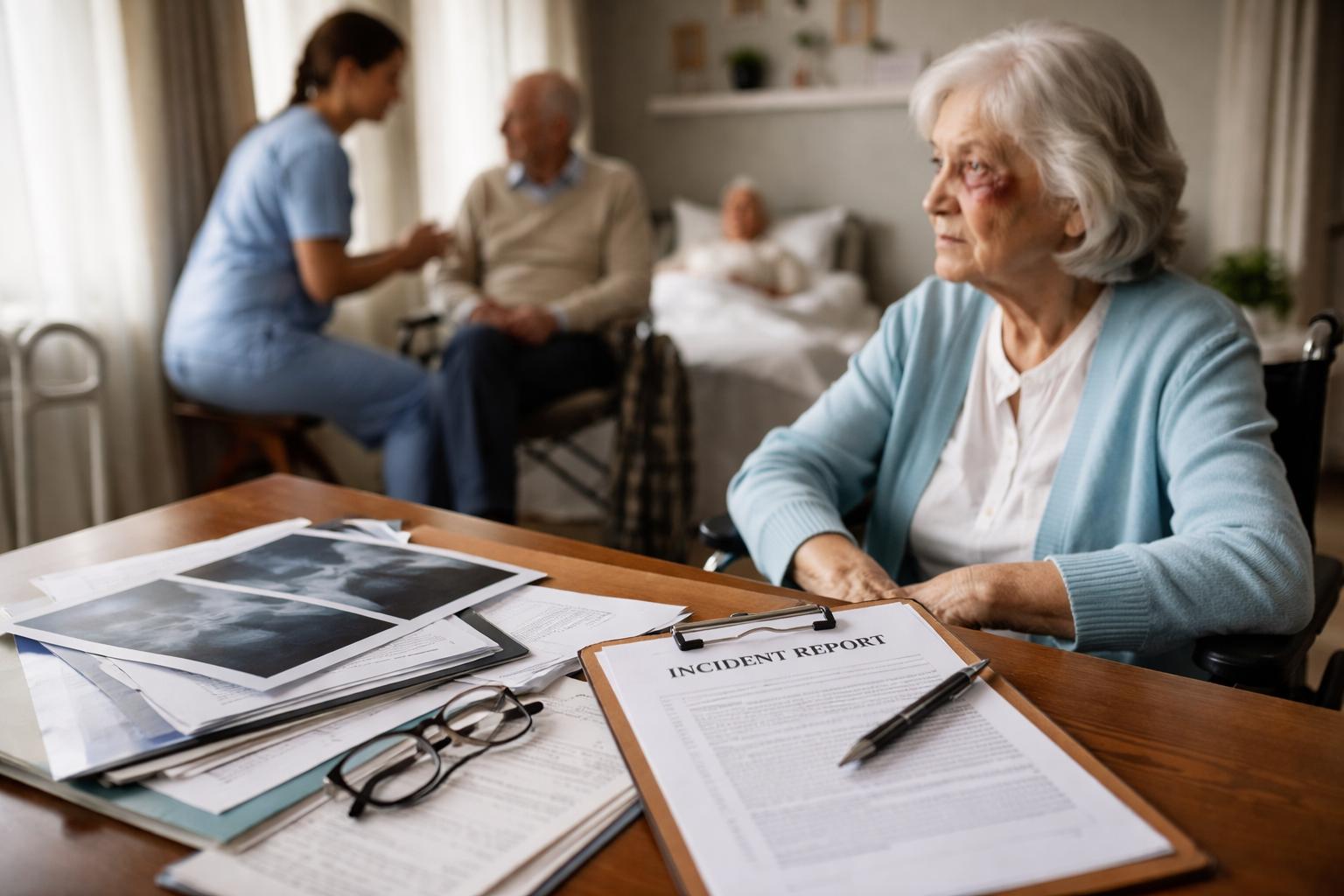
Maybe there are repeated unexplained injuries, medication concerns, poor hygiene, missed care, or problems that staff aren’t explaining clearly.
Don’t automatically assume abuse or neglect, but don’t ignore a pattern either.
Start by documenting what you observed and speaking with the appropriate staff member or administrator. New York residents have the right to use a complaint procedure, and the state’s Long Term Care Ombudsman Program can advocate for residents and assist with complaints.
Keeping a simple record of dates, conversations, and concerns can make it easier to explain what is happening.
Take Your Loved One’s Preferences Seriously
A nursing home isn’t just a place where medical care happens.
It’s also where someone may spend months or years of their life.
Ask about things that affect everyday happiness:
- What time do residents wake up?
- What activities are available?
- How flexible are meal times?
- Can residents personalize their rooms?
- What are visiting arrangements?
- Are religious or cultural preferences respected?
- Can residents choose activities?
- How does the facility handle special dietary needs?
New York specifically recognizes residents’ rights to choose schedules, activities, visitors, and other personal preferences.
Frequently Asked Questions
How do I choose a nursing home in Brooklyn?
Start by identifying your loved one’s medical and personal needs, then compare facilities based on care, staffing, cleanliness, rehabilitation, activities, location, payment options, inspection information, and resident rights.
Do nursing home residents have rights in New York?
Yes. New York residents have rights to dignity, respect, quality care, privacy, independent decision-making, visitors, complaint procedures, and freedom from abuse and inappropriate restraints.
Can family members visit nursing home residents?
Residents have the right to receive visitors of their choosing, subject to applicable rules and circumstances. New York specifically recognizes this right.
What should I ask during a nursing home tour?
Ask about staffing, medical care, rehabilitation, medications, nutrition, activities, care planning, emergency procedures, costs, inspection history, and how the facility communicates with families.
Final Thoughts
Choosing among nursing homes in Brooklyn NY isn’t about finding the fanciest building or relying on a single online rating. It’s about finding a place where your loved one can receive appropriate care while still being treated like a person—with dignity, privacy, respect, and a say in everyday life.
Visit more than one facility if possible. Ask uncomfortable questions. Review official information. Talk with staff and residents. And involve your loved one in the decision whenever possible.
A little extra research before admission can make a big difference once your family member actually begins living there.