Medication Errors in Queens Nursing Homes: What Families Should Know
When a family places a loved one in a Queens nursing home, one of the biggest expectations is simple: their medications will be given safely and correctly. Many nursing home residents take several prescriptions every day, sometimes at different times and in different doses. A small mistake can therefore become a serious problem.
Medication errors in Queens nursing homes can happen for different reasons. A resident might receive the wrong medication, miss an important dose, receive the wrong dosage, or be given medication intended for another resident. Sometimes the problem is caught quickly. Other times, nobody realizes what happened until the resident starts showing symptoms.
For families, knowing what medication errors can look like—and what to do when something seems wrong—can make a real difference.
What Is a Medication Error?
A medication error is generally a preventable mistake involving the prescribing, dispensing, administering, or monitoring of medication.
In a nursing home, possible errors may include:
- Giving the wrong medication
- Giving medication to the wrong resident
- Administering the wrong dosage
- Giving medication at the wrong time
- Missing a required dose
- Giving a medication to which the resident has a known allergy
- Failing to discontinue a medication when ordered
- Incorrectly recording medication administration
- Failing to monitor a resident for medication side effects
- Failing to communicate medication changes between the nursing home and hospital
Not every medication problem causes an injury. But even an error that does not immediately appear serious deserves attention, particularly when the resident is elderly or medically vulnerable.
Why Medication Errors Can Be Especially Dangerous for Older Adults
Older adults may respond differently to medications than younger people.
A nursing home resident may already have kidney problems, heart disease, diabetes, dementia, mobility limitations, or other medical concerns. They may also be taking multiple medications at once.
That means a medication mistake can sometimes have consequences that are not immediately obvious.
A resident might become unusually sleepy, confused, dizzy, weak, nauseated, or unsteady. In other situations, an error could contribute to bleeding, low blood pressure, an allergic reaction, a fall, hospitalization, or another serious medical complication.
This is why a sudden change in your loved one’s condition should not simply be brushed off as “getting older.”
Common Types of Nursing Home Medication Errors
Some medication mistakes tend to raise recurring concerns in long-term care settings.
Wrong Medication
A resident may accidentally receive medication prescribed for another person.
This can be particularly concerning because the medication may interact with the resident’s existing prescriptions or medical conditions.
Wrong Dosage
A resident may receive too much or too little medication.
For some drugs, even a relatively small dosing error can have serious consequences.
Missed Medication
Missing an occasional non-critical dose may not cause significant harm, but failing to administer an essential medication can be much more serious.
The consequences depend on the specific medication and the resident’s medical condition.
Medication Given at the Wrong Time
Some medications need to be administered according to a specific schedule. Giving them significantly earlier or later than prescribed can sometimes affect how well they work or increase the risk of side effects.
Failure to Monitor
Giving medication correctly is only part of safe medication management.
Some medications require monitoring for side effects, changes in vital signs, laboratory abnormalities, or other complications.
If warning signs are ignored, a medication problem can become much more serious.
Signs That Your Loved One May Have a Medication Problem
Sometimes a medication error is obvious.
Other times, families notice something unusual before anyone explains what happened.
Watch for sudden or unexplained changes such as:
- Extreme sleepiness
- New confusion
- Dizziness
- Weakness
- Unusual agitation
- Nausea or vomiting
- Difficulty walking
- Repeated falls
- Unexplained bleeding or bruising
- Changes in blood pressure
- Difficulty breathing
- Sudden changes in behavior
These symptoms can have many causes and do not automatically prove a medication error.
But if the change happens shortly after a medication change, it is reasonable to ask questions.
What Should You Do If You Suspect a Medication Error?
First, make sure your loved one receives appropriate medical attention if they are experiencing serious symptoms.
Do not wait for an administrator to investigate if your family member appears to be having a medical emergency.
After the immediate issue is addressed, start documenting what happened.
Write down:
When you noticed the problem
What symptoms your loved one experienced
What medication was reportedly given
What the nursing home staff told you
Which healthcare providers became involved
Whether your loved one was sent to a hospital
Keep copies of hospital records, medication lists, discharge paperwork, and communications with the facility.
A simple timeline can become extremely useful later.
Ask the Nursing Home Questions
You have every right to ask what happened.
Depending on the circumstances, you may want to ask:
- What medication was given?
- What dosage was administered?
- Who administered it?
- What was the medication originally prescribed for?
- Was the medication error documented?
- Was the doctor notified?
- Was the resident monitored afterward?
- Was the family notified?
- What steps are being taken to prevent another error?
You do not need to approach the conversation aggressively.
Sometimes a straightforward question—“Can you walk me through exactly what happened?”—can reveal information that was not initially explained.
Request the Relevant Records
Medication records can be important when trying to understand what happened.
Depending on the circumstances, records may include medication administration records, physician orders, nursing notes, incident reports, hospital records, and care plans.
If the nursing home says something different from what appears in the medical records, that discrepancy may deserve additional attention.
Families should keep copies of records they receive rather than relying entirely on the facility to maintain everything.
Can a Nursing Home Be Legally Responsible for a Medication Error?
Potentially, yes.
A medication error does not automatically mean that a nursing home is legally liable. A legal claim generally requires an analysis of the applicable duty of care, whether that duty was breached, causation, and damages.
For example, if a resident receives the wrong medication but suffers no injury, the legal consequences may be different from a situation in which an incorrect medication causes a serious fall, hospitalization, permanent injury, or death.
Responsibility may also depend on who made the error and the circumstances surrounding it.
Potentially relevant parties can include:
- Nursing home staff
- Nurses or other healthcare professionals
- Physicians
- Pharmacists
- The nursing home or facility operator
- Other entities involved in medication management
An attorney would need to review the specific facts before determining who may be responsible.
What If the Medication Error Causes a Fall?
This is an important possibility for elderly residents.
Suppose a resident receives an incorrect dose of a medication that causes severe dizziness or sedation. The resident later falls and suffers a fractured hip.
The case is not necessarily just about the medication.
There may be questions about whether the medication error contributed to the fall and whether the resulting injury was reasonably connected to the error.
Medical records, medication records, nursing notes, and expert medical opinions may all become important when establishing what happened.
What If the Error Leads to Hospitalization?
Hospitalization can provide an important record of what happened medically.
Ask for copies of hospital records and discharge documents. These may help establish:
- What symptoms occurred
- What doctors believed caused them
- What medications were involved
- What treatment was provided
- Whether the resident suffered complications
- Whether additional care was required
Do not assume that the nursing home’s explanation is the complete story. Comparing facility records with hospital records can sometimes provide a clearer timeline.
Reporting Medication Problems in New York Nursing Homes
Families can report concerns involving nursing homes to the New York State Department of Health.
The Department accepts complaints concerning nursing home care and can investigate allegations involving violations of applicable requirements. Depending on the circumstances, an investigation may involve reviewing records, interviewing individuals, or conducting an onsite investigation. (health.ny.gov)
Reporting a concern and pursuing a potential civil claim are separate matters.
A regulatory complaint may lead to an investigation or corrective action, while a civil lawsuit may seek compensation for legally recognized injuries and losses.
What Evidence Can Help a Medication Error Case?
If you believe a medication mistake harmed your loved one, preserve evidence as soon as possible.
Useful evidence may include:
- Medication administration records
- Physician medication orders
- Pharmacy records
- Nursing notes
- Care plans
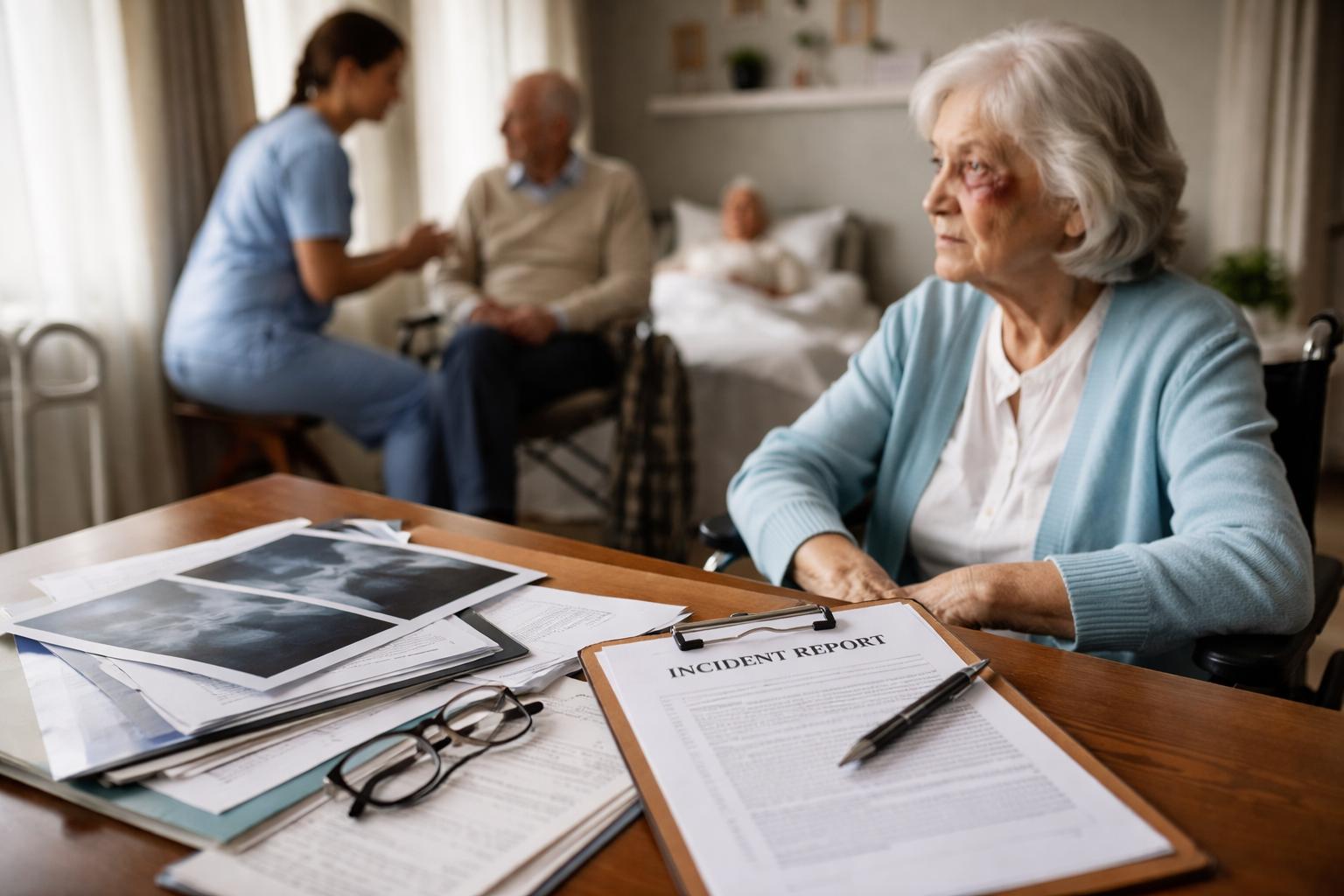
- Incident reports
- Hospital records
- Laboratory results
- Photographs of injuries
- Witness statements
- Emails with the facility
- Written complaints
- Records of changes in medication
Keep everything organized by date.
You do not need to know exactly which document will eventually matter. Just preserve what you have.
When Should Families Speak With a Lawyer?
Not every medication mistake requires a lawsuit.
But legal advice may be worth considering when the error results in significant harm.
Families may want to speak with an experienced nursing home attorney if a medication problem leads to:
- Serious injury
- A major fall
- Hospitalization
- Permanent disability
- Severe medical complications
- Significant pain and suffering
- Wrongful death
- Repeated medication errors
- An apparent attempt to hide or minimize the mistake
An attorney can review the records and explain whether the circumstances potentially support a negligence or other legal claim.
Frequently Asked Questions
1. What are common medication errors in Queens nursing homes?
Common examples include the wrong medication, wrong dosage, missed doses, incorrect timing, medication given to the wrong resident, and failure to monitor for serious side effects. The severity depends on the medication, the resident’s condition, and whether the mistake caused harm.
2. What should I do if I think my loved one received the wrong medication?
If your loved one is experiencing serious symptoms, seek immediate medical attention. Then document what happened, ask the nursing home for an explanation, request relevant medical and medication records, and consider reporting the incident to the appropriate authorities. If significant harm occurred, speaking with a nursing home attorney may also be appropriate.
3. Can I sue a Queens nursing home for a medication error?
Potentially. If a medication error resulted from negligence or another legally actionable failure and caused compensable harm, a civil claim may be possible. The specific facts, medical evidence, responsible parties, and applicable New York law all matter.
4. What evidence should I collect after a nursing home medication error?
Keep medication lists, medication administration records, physician orders, hospital records, nursing notes, incident reports, photographs, communications with the facility, and a dated timeline of what happened. These records can help an attorney and medical professionals understand the situation.
Final Thoughts
Medication mistakes can be frightening, particularly when the person affected is an elderly parent or grandparent who depends on a nursing home for daily care.
If something does not make sense, ask questions. If your loved one’s condition suddenly changes, do not assume it is simply part of aging. Find out what medication was given, what was supposed to be given, and whether the appropriate medical response occurred.
Most importantly, focus on your loved one’s safety first. After that, document what happened and preserve the records.
If a medication error caused serious harm, you may have legal options. Getting those records reviewed by an experienced New York nursing home attorney can help your family understand what happened and what steps may be available.