Nursing Home Wrongful Death in Bronx NY: Legal Options for Families
Losing a parent, grandparent, spouse, or another loved one is painful under any circumstances. When that person dies while living in a nursing home, families may have an especially difficult time if they believe neglect, abuse, medication errors, poor supervision, or inadequate medical care played a role in the death.
A death in a nursing home does not automatically mean the facility is legally responsible. However, when the evidence suggests that the nursing home or its staff failed to provide reasonably appropriate care and that failure contributed to the death, the family may have legal options.
If you are researching Nursing Home Wrongful Death in Bronx NY, understanding the possible claims, evidence, deadlines, and practical steps can help you decide what to do next.
When Can a Nursing Home Be Held Responsible for a Death?
Nursing homes have responsibilities toward their residents. New York law gives nursing home residents rights to dignity, respectful treatment, appropriate care, privacy, and freedom from physical and mental abuse.
A wrongful death case may arise when a death is allegedly connected to negligent or wrongful conduct.
Examples can include:
- Medication errors
- Failure to monitor a serious medical condition
- Untreated infections
- Severe dehydration or malnutrition
- Falls caused by inadequate supervision or safety measures
- Pressure ulcers that become seriously infected
- Failure to respond appropriately to an emergency
- Wandering or elopement incidents
- Physical or sexual abuse
- Inadequate care following an injury
- Failure to follow a resident’s care plan
- Negligent hiring, training, or supervision in appropriate circumstances
The important point is that a poor outcome by itself does not prove negligence. An attorney generally needs to examine the medical records, nursing-home records, circumstances surrounding the death, and applicable standards of care.
Signs That May Cause a Family to Suspect Neglect
Sometimes the warning signs were visible before the death.
Perhaps your father suddenly lost a significant amount of weight. Maybe your mother developed repeated bedsores. Perhaps there were several unexplained falls, medication mistakes, or unexplained injuries.
Other times, the family only becomes suspicious after reviewing the records.
Possible warning signs include:
- Unexplained bruises or injuries
- Repeated falls
- Sudden changes in health
- Pressure sores
- Dehydration
- Significant weight loss
- Repeated infections
- Medication discrepancies
- Poor hygiene
- Missing medical records
- Delays in getting emergency medical attention
- Staff giving conflicting explanations about what happened
One warning sign does not necessarily establish liability. But several unexplained problems deserve attention.
New York regulations require facilities to address and investigate allegations involving abuse, mistreatment, neglect, and injuries of unknown source, with reporting to the Department of Health when required.
What Legal Claims May Be Available?
A nursing home wrongful death situation can involve more than one potential legal claim.
Wrongful Death
New York’s wrongful death statute allows a personal representative to bring a claim for the benefit of eligible distributees when a person’s death results from a wrongful act, neglect, or default that would have supported a claim had the person survived.
Damages in a wrongful death action are generally connected to the financial losses suffered by the people entitled to recover, rather than simply compensating the family for grief.
New York courts distinguish wrongful death damages from claims belonging to the estate for injuries the person experienced before death.
Conscious Pain and Suffering
If the resident survived for some period after the injury and experienced pain or suffering before death, there may also be a separate claim belonging to the estate.
This can be important in nursing home cases.
For example, suppose a resident suffers an injury because of alleged negligence and remains alive for several days or weeks before passing away. The legal analysis may involve both the wrongful death claim and a claim concerning what the resident experienced before death.
The deadlines and damages for these claims are not necessarily identical, which is one reason families should avoid waiting too long to obtain legal advice.
The Two-Year Wrongful Death Deadline
One of the most important things for a Bronx family to understand is the statute of limitations.
New York Courts currently state that a wrongful death action generally must be commenced within two years from the date of death under EPTL 5-4.1.
Recent New York decisions continue to apply this two-year rule, including nursing-home-related litigation.
That does not mean families should wait until the deadline approaches.
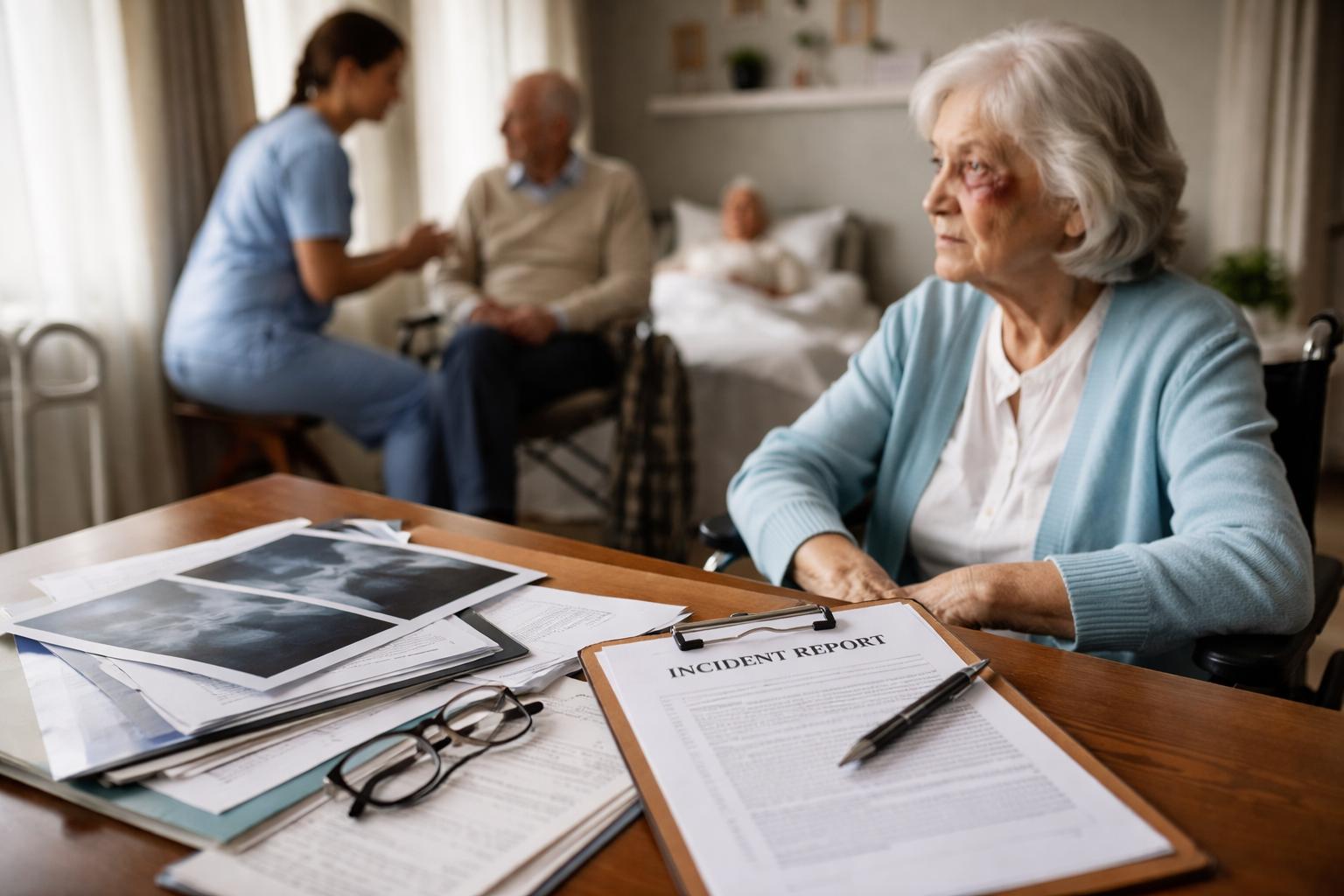
Nursing home cases can involve large medical records, care plans, medication administration records, staffing information, incident reports, photographs, witness statements, and expert review.
The earlier an investigation begins, the easier it may be to preserve important evidence.
There can also be different deadlines for other potential claims, so a lawyer should review the facts rather than assuming every part of the case has the same deadline.
Who Can Bring a Wrongful Death Case?
Wrongful death claims in New York have specific rules concerning who may bring the action and who may benefit from a recovery.
Generally, the action is brought by the personal representative of the decedent’s estate, for the benefit of the people legally entitled to recover.
This is different from simply saying that “any family member can sue.”
The identity of the appropriate representative and the people who may recover can depend on the circumstances, including the person’s family relationships and estate situation.
Because of that, families should discuss the issue with a New York attorney familiar with wrongful death litigation.
What Evidence Can Help?
If you believe a nursing home may have contributed to your loved one’s death, start preserving information.
Keep copies of:
- Medical records
- Nursing-home records
- Medication records
- Care plans
- Hospital records
- Photographs of injuries
- Emails and messages with facility staff
- Written complaints
- Names of staff members and witnesses
- Billing records
- Death certificate
- Autopsy or medical examiner records, if applicable
- Notes about conversations with the facility
- Previous incident reports or documentation
Do not alter original documents or delete messages.
Also write down what you remember while the events are still fresh. A conversation that seems insignificant today may become important months later.
Request the Nursing Home Records
Medical and facility records can be extremely important in determining what happened.
A lawyer may examine information such as:
- Nursing notes
- Physician notes
- Medication administration records
- Vital signs
- Care plans
- Fall assessments
- Skin assessments
- Incident reports
- Hospital transfer records
- Staffing information
- Internal investigations
- Communications concerning changes in condition
The goal is not simply to find something that looks wrong.
The goal is to reconstruct what happened and determine whether the facility’s actions or failures were legally connected to the death.
Should You Report the Nursing Home?
A civil lawsuit and a regulatory complaint are different things.
Families can report suspected nursing home abuse, neglect, or other regulatory violations to the New York State Department of Health. The Department investigates complaints and may review medical records and facility documentation as part of an investigation.
New York’s nursing home complaint system allows anyone to file a complaint, and complaints can be submitted confidentially or anonymously.
The state’s Nursing Home Complaint and Discharge Appeal Hotline is 1-888-201-4563.
Reporting suspected neglect does not replace getting legal advice if your family is considering a civil claim.
What Happens When You Speak With a Nursing Home Wrongful Death Lawyer?
A first consultation will generally involve explaining what happened and providing whatever documentation the family already has.
The attorney may want to know:
- When your loved one entered the facility
- Their medical conditions
- What care they required
- What changes occurred before death
- Whether there were previous injuries or complaints
- When the family first became concerned
- Where the resident was treated after an incident
- What the nursing home told the family
- Whether an investigation occurred
- Whether an autopsy was performed
- When and how the resident died
The attorney can then determine whether further investigation is appropriate.
You do not need to have the entire case figured out before contacting a lawyer.
What Compensation May Be Available?
The damages available depend heavily on the circumstances and the specific legal claims involved.
A wrongful death claim may involve certain financial losses suffered by eligible distributees, while a separate estate claim may address injuries and conscious pain and suffering experienced by the deceased before death.
Potential damages can involve matters such as:
- Medical and hospital expenses
- Funeral and burial expenses
- Loss of financial support
- Loss of services
- Other legally recognized economic losses
- Damages connected to the decedent’s conscious pain and suffering, where a separate estate claim applies
New York law has specific rules governing wrongful death damages, so families should not assume that every emotional or financial loss automatically becomes compensable.
What If the Nursing Home Says the Death Was Natural?
This is something families may hear after a death.
An elderly person may have serious medical conditions, and nursing homes sometimes care for residents who are already very ill. A resident can die from natural causes even when the facility provided appropriate care.
But the existence of an underlying illness does not automatically eliminate the possibility of negligence.
The question may be whether something the facility did—or failed to do—contributed to the death or worsened the resident’s condition.
That requires looking at the medical evidence rather than relying solely on the cause listed on a death certificate.
A Recent Bronx Nursing Home Case Shows Why Timing Matters
New York courts continue to hear nursing-home wrongful death litigation in the Bronx.
For example, in Margiotta v. Bay Park Center for Nursing and Rehabilitation, decided by Supreme Court, Bronx County, in July 2026, the court considered issues involving a wrongful death-related nursing home action, including arguments concerning the statute of limitations.
Another 2026 appellate decision, Lewis v. TCPRNC, LLC, involved a wrongful death claim against the operator of a Bronx nursing and rehabilitation facility and addressed the dismissal of the action under EPTL 5-4.1.
These cases do not mean every nursing home death creates a lawsuit. They do show why families should take deadlines and legal procedure seriously.
Frequently Asked Questions
1. Can I sue a Bronx nursing home if my loved one died because of neglect?
Potentially, yes. If evidence shows that negligent or wrongful conduct contributed to the death, a wrongful death claim or other related claim may be possible. The specific facts and medical evidence need to be reviewed by a New York attorney.
2. How long do I have to file a wrongful death lawsuit in New York?
A wrongful death claim generally must be commenced within two years of the person’s death under EPTL 5-4.1. Other claims arising from the same circumstances can have different deadlines, so families should seek legal advice promptly.
3. What should I do if I suspect a nursing home caused my loved one’s death?
Preserve medical and facility records, photographs, messages, and other evidence. You can also report suspected abuse or neglect to the New York State Department of Health and speak with a New York wrongful death attorney about your legal options.
4. Can a family member file the wrongful death lawsuit?
The wrongful death action is generally brought by the decedent’s personal representative for the benefit of eligible distributees. Who can recover and how the estate is handled depends on the circumstances and should be reviewed with an attorney.
Final Thoughts
A nursing home wrongful death can leave a Bronx family with grief, unanswered questions, and sometimes the uncomfortable feeling that something should have been done differently.
If you believe neglect, abuse, medication errors, inadequate supervision, or another failure contributed to your loved one’s death, you do not have to immediately decide whether to file a lawsuit. Start by preserving the evidence and learning what actually happened.
New York gives nursing home residents important protections, including the right to respectful care and freedom from abuse. And because the general wrongful death deadline is two years from the date of death, waiting indefinitely can put legal options at risk.
For a family already dealing with loss, getting clear answers may be the first step toward understanding what happened and deciding what to do next.