New York Landlord-Tenant Disputes: When Should You Hire an Attorney?
Most landlord-tenant disagreements start with something that seems fairly simple. Maybe the landlord hasn’t fixed a leaking ceiling, the tenant believes the rent was increased incorrectly, or the landlord suddenly says the tenant needs to move out. Sometimes these problems can be resolved with a conversation. Other times, the situation can quickly become much more serious.
Knowing when to hire a landlord-tenant attorney in New York can make a big difference. A lawyer may be particularly helpful when an issue involves eviction, harassment, illegal lockouts, serious repair problems, rent disputes, discrimination, or a disagreement that has already reached court. New York Courts recommends that people who are or may become parties to a lawsuit consult an attorney to understand their legal rights and options.
When a Landlord-Tenant Dispute Becomes Serious
Not every disagreement requires a lawyer.
For example, if a light fixture needs replacing and your landlord is already arranging a repair, hiring an attorney may be unnecessary.
The situation changes when communication stops working or the consequences become significant.
You may want legal advice when:
- Your landlord threatens to evict you
- You receive formal eviction papers
- You believe you are being illegally locked out
- Your landlord refuses to make serious repairs
- You believe you are being harassed
- You have a rent or security-deposit dispute
- You believe your landlord is retaliating against you
- You suspect housing discrimination
- Your landlord enters your apartment improperly
- You have received a notice terminating your tenancy
The earlier you understand your rights, the more options you may have.
You Receive an Eviction Notice
This is one of the clearest situations where speaking with an attorney can be worthwhile.
New York eviction cases can involve nonpayment proceedings or holdover proceedings, depending on why the landlord is seeking possession. A landlord generally has to follow specific notice and court procedures before legally removing a tenant.
Don’t assume that receiving a notice means you have to pack your belongings and leave immediately.
The document may be the beginning of a legal process rather than the final step. However, ignoring it can create serious problems.
New York Courts specifically warns that tenants should take court cases seriously and provides resources for finding legal assistance.
Your Landlord Is Threatening an Illegal Lockout
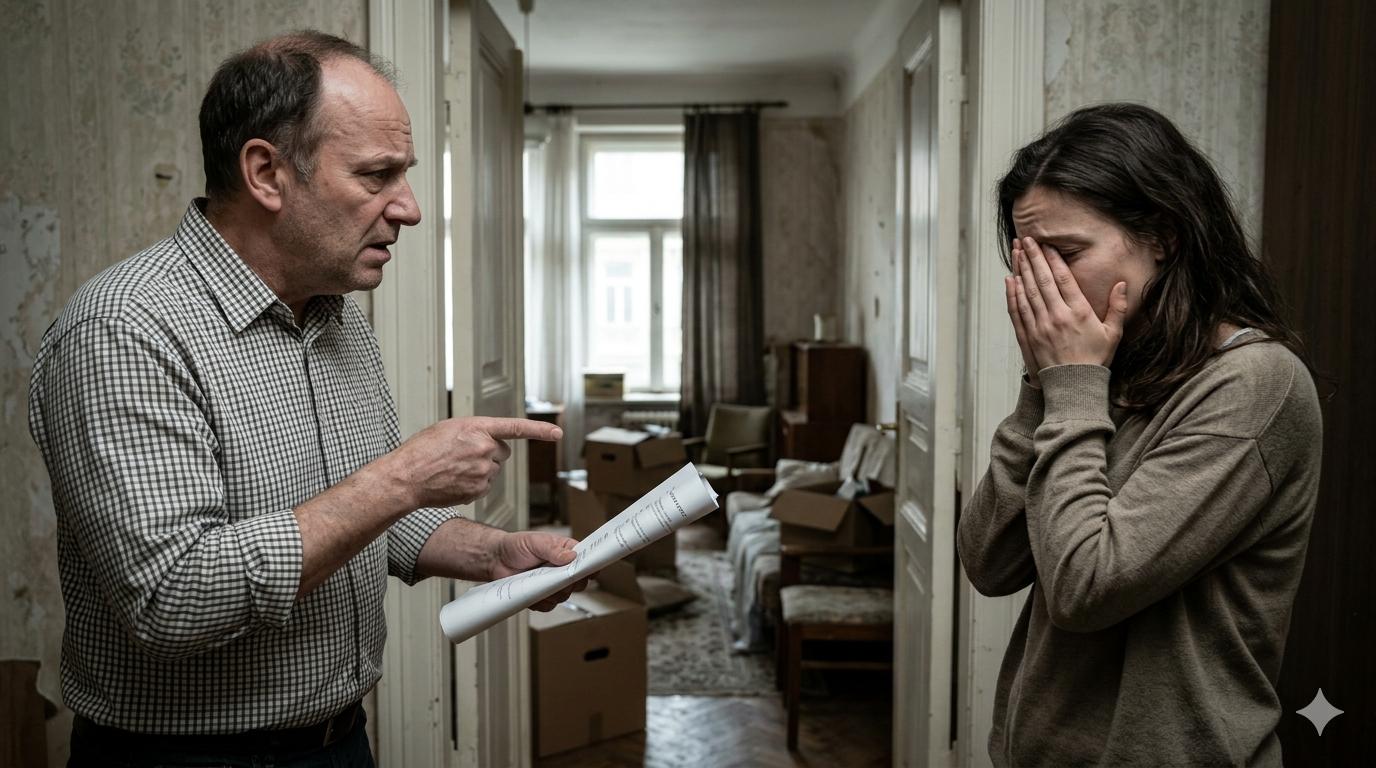
Imagine coming home after work and discovering that your key no longer works.
A landlord generally cannot simply change the locks or physically remove a lawful tenant instead of following the legal eviction process.
New York law provides protections against unlawful evictions, and tenants who believe they have been illegally removed may have legal remedies.
If a landlord is threatening to lock you out, change the locks, remove your belongings, or shut off services to make you leave, getting legal advice quickly can be extremely important.
There Are Serious Repair Problems
Some repairs are annoying but relatively minor.
Others can affect whether the apartment is safe and livable.
Think about situations involving:
- No heat during cold weather
- Major water leaks
- Serious mold problems
- Unsafe electrical conditions
- Plumbing failures
- Pest infestations
- Structural problems
- Other dangerous conditions
If you’ve repeatedly notified the landlord and nothing is happening, an attorney may be able to explain your options.
New York Courts notes that tenants can bring landlord-tenant cases in certain circumstances when they need a court order requiring repairs for dangerous or serious conditions.
You Believe Your Landlord Is Retaliating
Retaliation can be difficult to recognize because it may happen after you’ve exercised a legal right.
For example, you report a serious housing violation and suddenly receive a threatening notice from your landlord.
New York prohibits certain retaliatory conduct against tenants who make good-faith complaints concerning health and safety violations, habitability, repairs, lease rights, and other protected issues.
That doesn’t mean every negative action after a complaint is automatically retaliation. The timing and circumstances matter.
A lawyer can help you determine whether the facts potentially support a retaliation claim.
You Think Your Rent Is Wrong
Rent disputes can become complicated, particularly when an apartment may be rent regulated.
A tenant may have questions about:
- Rent increases
- Rent overcharges
- Rent stabilization
- Renewal leases
- Additional fees
- Security deposits
- Improper charges
If the amount involved is significant or the landlord refuses to correct an issue, talking with a housing attorney can help you understand what records to collect and what legal options may exist.
Your Landlord Is Harassing You
Harassment doesn’t always look like a direct threat.
It can involve repeated unwanted contact, interference with your use of the apartment, improper entry, pressure to move, service interruptions, or other conduct intended to interfere with your tenancy.
If the behavior keeps happening, don’t rely on memory alone.
Save texts and emails, keep copies of notices, and write down dates and descriptions of incidents.
A pattern of conduct can be much easier to explain when you have documentation.
You Believe You Are Being Discriminated Against
Housing discrimination is another situation where legal advice can be valuable.
If you believe you were refused an apartment, treated differently, threatened with eviction, or subjected to different rental terms because of a legally protected characteristic, consider speaking with a qualified attorney or appropriate housing agency.
Discrimination laws can involve federal, New York State, and local protections, so the specific facts matter.
Your Case Is Already in Housing Court
Once a dispute reaches court, getting professional advice becomes even more important.
New York Courts explains that landlord-tenant cases involve formal procedures, including notices, court papers, answering the case, court appearances, and potentially a trial.
Missing a court date or failing to respond correctly can seriously affect your position.
In New York City, some tenants may qualify for free legal representation in Housing Court through the Universal Access to Legal Services program. Eligibility depends on factors such as household income and the type of case.
You Don’t Always Have to Hire a Lawyer for the Entire Case
Legal help doesn’t necessarily mean signing a contract for full representation.
Sometimes a consultation is enough to understand what a notice means or whether your landlord’s action appears lawful.
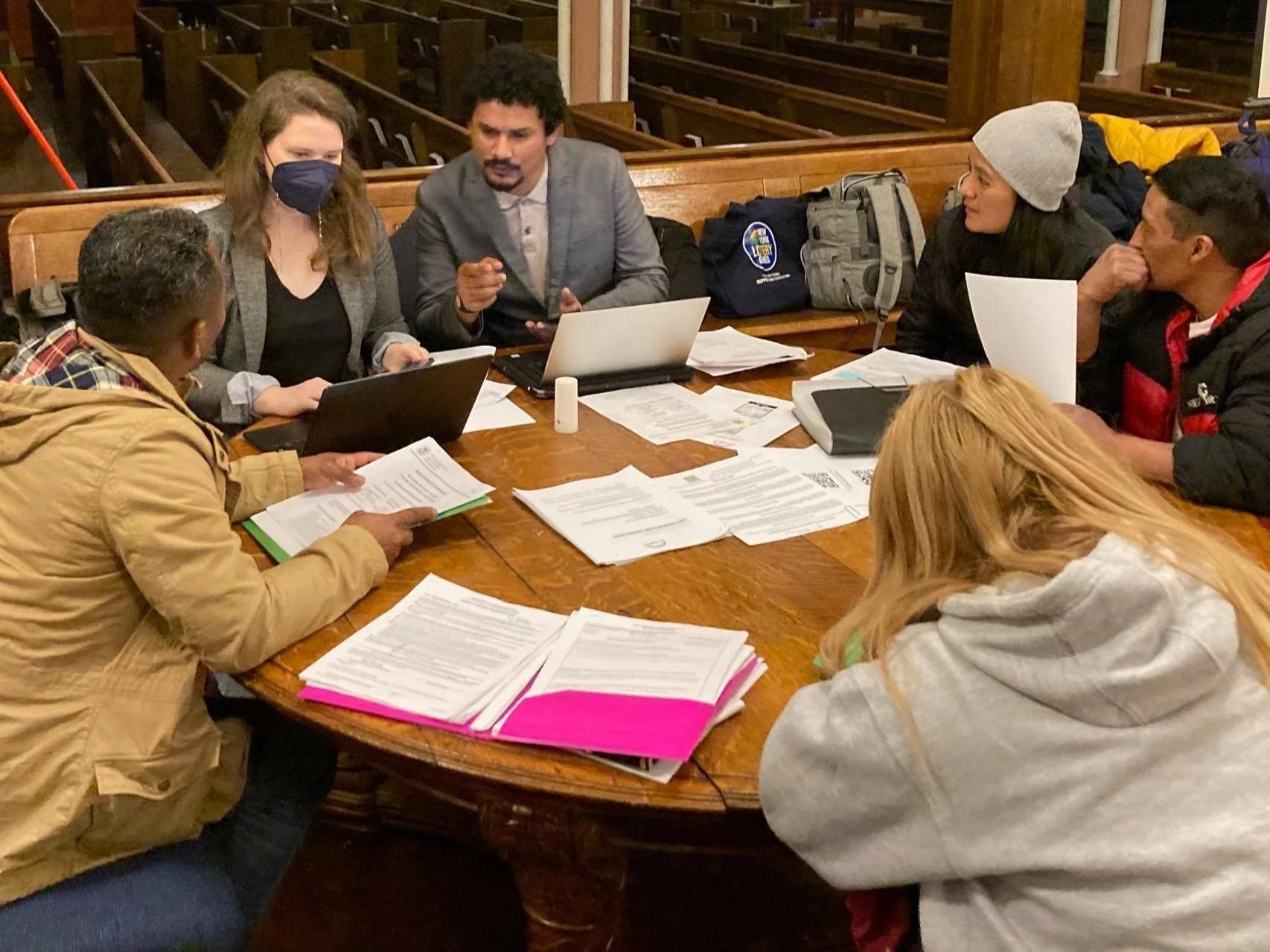
New York Courts also provides Housing Court Help Centers and volunteer lawyer programs. Help Center attorneys can explain court procedures and provide information, although they cannot give individualized legal advice or represent you.
This can be useful for someone who isn’t sure whether their situation has reached the point where they need full representation.
What Should You Bring to a Landlord-Tenant Attorney?
Don’t show up with only a story if you can bring documentation.
Gather:
- Your current and previous leases
- Rent receipts
- Bank or payment records
- Emails and text messages
- Repair requests
- Photos and videos
- Notices from your landlord
- Eviction paperwork
- Inspection reports
- Letters from government agencies
- Any previous court documents
A clear timeline can also help.
Write down when the problem started, when you contacted the landlord, what the landlord said, and what happened afterward.
It doesn’t need to be fancy. Even a simple list of dates can make the situation much easier to understand.
Can Tenants Get Free Legal Help?
Some New York tenants can.
In New York City, eligible tenants involved in certain Housing Court cases can receive free legal representation under the Universal Access to Legal Services Law. New York Courts says this can include qualifying tenants in nonpayment and holdover cases.
Outside NYC, free or low-cost legal assistance may also be available depending on income, location, and the type of dispute.
New York Courts recommends LawHelp and other legal referral resources for people looking for assistance.
When You Probably Shouldn’t Wait
There are situations where getting advice sooner rather than later makes sense.
If you have received court papers, are facing an imminent eviction, have been locked out, are dealing with serious unsafe conditions, or believe your landlord is deliberately retaliating or harassing you, don’t wait until the situation becomes impossible to fix.
A short consultation can sometimes clarify what you’re dealing with and what deadlines you need to watch.
Frequently Asked Questions
1. Do I need a lawyer for a landlord-tenant dispute in New York?
Not every dispute requires an attorney. However, legal advice can be particularly valuable when the dispute involves eviction, court papers, serious repairs, harassment, retaliation, discrimination, or a significant rent disagreement.
2. Can my landlord evict me without going to court?
Generally, landlords must follow the legal eviction process rather than using force or an illegal lockout. New York law provides tenants with protections against unlawful eviction methods.
3. Can I get a free landlord-tenant lawyer in New York?
Some tenants may qualify for free legal representation. In NYC, qualifying tenants can receive free representation in certain Housing Court cases under the Universal Access to Legal Services Law.
4. Should I hire an attorney before going to Housing Court?
It can be helpful, particularly if you don’t understand the papers you’ve received or believe you have defenses or claims against the landlord. New York Courts recommends consulting an attorney when you are or may become involved in a lawsuit.
5. What if my landlord refuses to make important repairs?
Document the condition and your requests to the landlord. If the problem is serious and isn’t being addressed, legal advice may help you understand whether you can seek court-ordered repairs or other remedies.
Final Thoughts
A landlord-tenant disagreement doesn’t automatically mean you need to go to court. Many problems can be resolved through communication or the appropriate housing agency.
But once you’re facing an eviction, serious repair issue, harassment, illegal lockout, retaliation, or a dispute involving substantial money, getting legal advice can be a smart move.
The most important thing is not to ignore the problem. Keep your documents, communicate in writing when possible, pay attention to deadlines, and seek help when the situation starts moving beyond an ordinary landlord-tenant disagreement.