New York Rent Laws and Tenant Protections in 2026
Renting an apartment in New York can sometimes feel like you’re constantly trying to keep up with changing rules. Rent increases, lease renewals, eviction notices, security deposits, repairs, and landlord access can all raise questions. In 2026, New York tenants continue to have a number of protections, but the rules are not identical for every renter.
The biggest thing to understand is that your rights can depend on whether you live in a rent-stabilized, rent-controlled, or market-rate apartment, as well as where the property is located. New York City also has local protections that do not necessarily apply throughout the rest of the state.
Rent Stabilization Still Protects Many New York Tenants
Rent stabilization is one of the most important forms of tenant protection in New York.
Generally, rent stabilization limits how much rent can increase, provides lease-renewal protections, and restricts eviction to legally permitted grounds. Outside New York City, similar protections can apply through the Emergency Tenant Protection Act, or ETPA.
Rent stabilization commonly applies to qualifying buildings in New York City and certain properties in places such as Nassau, Rockland, and Westchester counties, as well as the City of Kingston. Other localities can potentially adopt rent stabilization after meeting the requirements for a housing emergency.
If you’re unsure whether your apartment is stabilized, don’t simply rely on what your landlord tells you. Your rent history and registration information can be important.
Rent Increases Are Not the Same for Every Apartment
One of the most confusing parts of New York rent law is the difference between regulated and unregulated apartments.
For a typical market-rate apartment, the rent and lease terms are generally negotiated between the landlord and tenant.
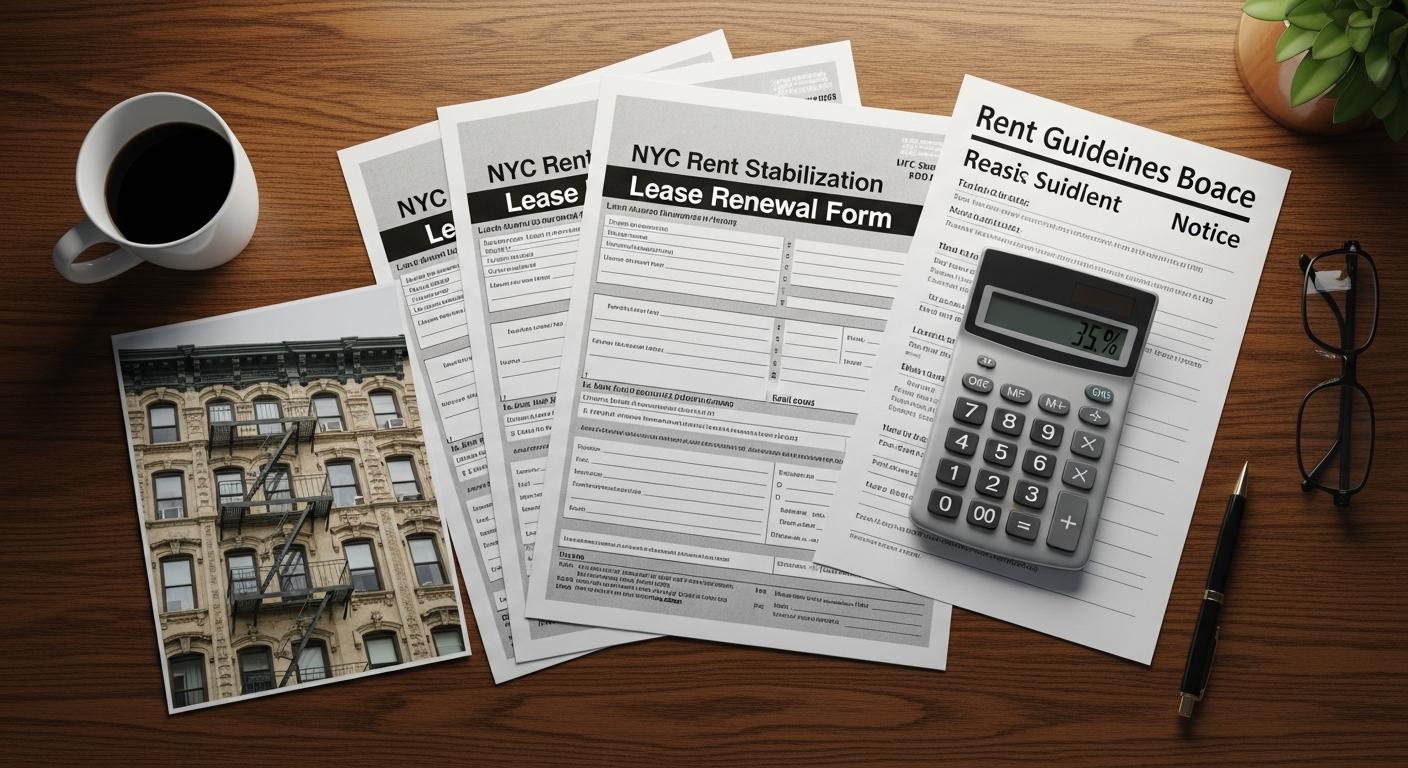
For rent-stabilized apartments, annual increases are controlled by the applicable Rent Guidelines Board. In New York City, the NYC Rent Guidelines Board establishes the annual adjustments for rent-stabilized apartments and certain other regulated units.
So if your friend in another New York apartment tells you their landlord raised the rent by a certain amount, that doesn’t necessarily mean the same increase is legal for your apartment.
Good Cause Eviction Is an Important 2026 Protection
The Good Cause Eviction Law is another major protection for New York renters.
It took effect on April 20, 2024. In covered apartments, landlords generally cannot evict tenants or refuse to renew a lease simply because the lease has expired. The landlord generally needs a legally recognized good cause, subject to the law’s exemptions.
The law currently covers New York City and certain other localities that have opted into it, including several cities and towns listed by the Attorney General.
But there is an important catch: not every rental apartment is covered.
There are exemptions based on factors such as the type of property, ownership, rent level, building age, and other circumstances.
Rent Increases Under Good Cause Rules
Good Cause Eviction also addresses certain rent increases.
For covered apartments, an increase is generally considered unreasonable if it exceeds 5% plus the annual change in the Consumer Price Index, subject to a maximum increase of 10% of the previous rent.
This doesn’t mean every rent increase below that number is automatically permitted under every situation. The law has specific requirements and exemptions.
If you receive a large rent increase, it can be worth checking whether Good Cause applies to your apartment before assuming you simply have to accept it.
Rent-Stabilized Tenants Have Renewal Rights
If you’re a rent-stabilized tenant, your landlord generally has to offer a renewal lease according to the applicable rules.
New York HCR states that rent stabilization limits rent increases, guarantees lease renewals, and protects tenants from eviction except where permitted by law.
There are exceptions and legally recognized grounds for refusing renewal or seeking eviction, so “rent stabilized” doesn’t mean a tenant can never be removed.
Still, it provides considerably more protection than many market-rate rental arrangements.
Landlords Cannot Simply Lock Tenants Out
This is one of the most important rights to know.
A landlord generally cannot decide to change the locks and remove a tenant without following the legal eviction process.
New York protects lawful occupants against unlawful eviction methods, and the Attorney General has continued enforcement efforts against illegal lockouts in 2026.
If you come home and discover that the locks have been changed, don’t assume that the landlord is allowed to do it just because they own the building.
Tenants Have Protection Against Harassment
Landlord harassment can take different forms.
It isn’t always someone standing outside your door yelling at you.
It can involve repeated threats, interference with your privacy, intentional interruption of essential services, property damage, or other conduct intended to force a tenant out or interfere with their rights.
Rent-regulated tenants have particularly strong protections against harassment, and New York authorities have been actively pursuing cases involving illegal rent increases and improper eviction efforts.
If you believe you’re being pushed out of your apartment through repeated pressure or intimidation, keep records of what happens.
Landlords Have Responsibilities for Repairs
A landlord can’t simply collect rent and ignore serious conditions inside the building.
New York’s tenant protections include requirements involving essential services and habitable living conditions. Rent-regulated tenants are entitled to required essential services and, subject to the law, lease renewals.
If you have a serious repair issue, document it.
Take photographs. Save emails and text messages. Keep copies of maintenance requests.
That paperwork can become important if a dispute later develops.
Security Deposits Have Rules Too
New York has rules governing residential security deposits.
Generally, landlords cannot simply keep a security deposit because a tenant has moved out. The deposit is intended to cover permitted obligations under the law, such as unpaid rent or damage beyond ordinary wear and tear.
Tenants should take photographs of the apartment when moving in and again when moving out.
That little bit of effort can be surprisingly useful if the landlord later claims that something was damaged.
Can a Landlord Enter Your Apartment Whenever They Want?
Renting your apartment doesn’t mean giving up your privacy.
Landlord entry is subject to New York law, the lease, and the circumstances involved. Emergency situations are different from ordinary inspections or repairs.
If your landlord repeatedly enters without appropriate notice or uses access to intimidate you, keep a record of each incident.
A pattern can matter more than one isolated disagreement.
Tenants Are Protected From Certain Retaliation
Suppose you report a serious housing problem.
Maybe there is a persistent leak, unsafe electrical condition, lack of heat, or another issue that your landlord isn’t fixing.
New York law provides protections against certain forms of landlord retaliation when tenants make good-faith complaints or exercise protected rights.
That doesn’t mean every rent increase or lease nonrenewal after a complaint is automatically retaliation. The circumstances matter.
New York’s Rent Laws Differ by Location
This is easy to miss.
“New York rent law” isn’t always one single set of rules.
A renter in Manhattan, a renter in Buffalo, and a renter in Westchester County may have different protections depending on the property and local laws.
For example, HCR explains that rent stabilization outside New York City can apply under ETPA in certain locations, while local rent guidelines boards in New York City, Nassau, Rockland, and Westchester counties establish maximum annual increases for applicable stabilized leases.
Always check the rules that apply to your particular apartment.
What Should Tenants Do If They Think Their Rent Is Too High?
Don’t immediately stop paying rent.
Instead, start by figuring out what type of apartment you have and whether it is subject to rent regulation.
You can request or review the apartment’s rent history where applicable and compare the current rent with the legal rent information.
New York HCR provides resources addressing rent increases and rent overcharges, including rules concerning lawful increases such as guideline increases, Major Capital Improvements, and Individual Apartment Improvements.
If you believe you’ve been overcharged, consider getting advice before taking action that could put your tenancy at risk.
What If Your Landlord Wants You to Move?
Don’t assume that a landlord’s request automatically means you have to leave.
Look at the reason they’re giving you.
Is your lease expiring? Is there an alleged lease violation? Is rent allegedly unpaid? Is the landlord claiming they need the apartment for personal use? Does Good Cause apply?
These details can completely change the legal situation.
If you receive formal eviction paperwork, take it seriously and get legal help promptly.
Keep Records of Everything
This is probably one of the most useful habits for any renter.
Keep copies of:
- Your lease
- Renewal offers
- Rent receipts
- Bank records
- Emails and texts
- Repair requests
- Photos and videos
- Notices from your landlord
- Inspection reports
- Eviction paperwork
- Rent registration information
You don’t need a complicated filing system. A folder on your phone and a physical folder at home can be enough.
Frequently Asked Questions
1. Can my landlord raise my rent whenever they want in New York?
It depends on the apartment. Market-rate apartments generally have negotiated rents, while rent-stabilized apartments are subject to applicable rent guidelines and other legal restrictions. Certain Good Cause-covered apartments also have protections concerning unreasonable rent increases.
2. What is Good Cause Eviction in New York?
Good Cause Eviction provides additional protections to many tenants in covered locations and apartments. Generally, a covered landlord needs a legally recognized good cause to evict or refuse to renew a tenant’s lease. There are significant exemptions.
3. How do I know if my apartment is rent stabilized?
You can check available rent registration information and contact New York Homes and Community Renewal for guidance. Rent stabilization generally applies based on building characteristics, location, and certain other factors.
4. Can a landlord lock me out?
Generally, a landlord cannot use an illegal lockout to remove a lawful tenant. New York has specific protections against unlawful evictions.
5. What should I do if I think my landlord is violating my rights?
Document what happened, save your lease and communications, and consider contacting a tenant attorney, legal-services organization, HCR, or another appropriate housing authority. Don’t ignore court papers or eviction notices.
Final Thoughts
New York renters have important protections in 2026, but figuring out which ones apply can take a little digging. Rent stabilization, Good Cause Eviction, security-deposit rules, anti-harassment protections, repair requirements, and eviction procedures can all affect a tenant’s situation.
The biggest mistake is assuming that every renter has exactly the same rights.
If you’re dealing with a rent increase, lease-renewal problem, eviction threat, illegal lockout, or possible rent overcharge, start by identifying what type of apartment you have and what local rules apply. Keep your paperwork, communicate in writing when possible, and get professional help if the situation becomes serious.