
New York Tenant Rights: What Landlords Cannot Do
Renting a home comes with responsibilities on both sides. Tenants have to pay rent and follow the lease, while landlords have legal responsibilities involving repairs, safety, privacy, eviction procedures, and the tenant’s right to enjoy the home without harassment. New York tenant protections can vary depending on where the property is located and whether the apartment is rent-regulated, so understanding the basic rules can help renters recognize when something doesn’t seem right.
A Landlord Cannot Simply Lock You Out
One of the biggest misconceptions renters have is that a landlord can change the locks if they want a tenant gone.
That is generally not how a lawful eviction works in New York.
A landlord cannot use force, remove your belongings, lock you out, or shut off essential services to make you leave. A legal eviction generally requires a court proceeding and a judgment of possession, followed by enforcement of a court-issued warrant by an authorized officer.
So if a landlord says, “You have to be out tomorrow,” that statement by itself does not give the landlord permission to physically remove you.
Landlords Cannot Shut Off Essential Services to Force You Out
Heat, water, and electricity aren’t bargaining tools.
New York law protects tenants against landlords who deliberately discontinue essential services as a way of forcing them out. The Attorney General specifically identifies interruption of essential services as an example of unlawful eviction or harassment.
If the heat stops working in winter or there is no hot water, the issue isn’t simply an inconvenience. Depending on the circumstances, it can become a serious habitability and legal issue.
Landlords Must Maintain a Livable Home
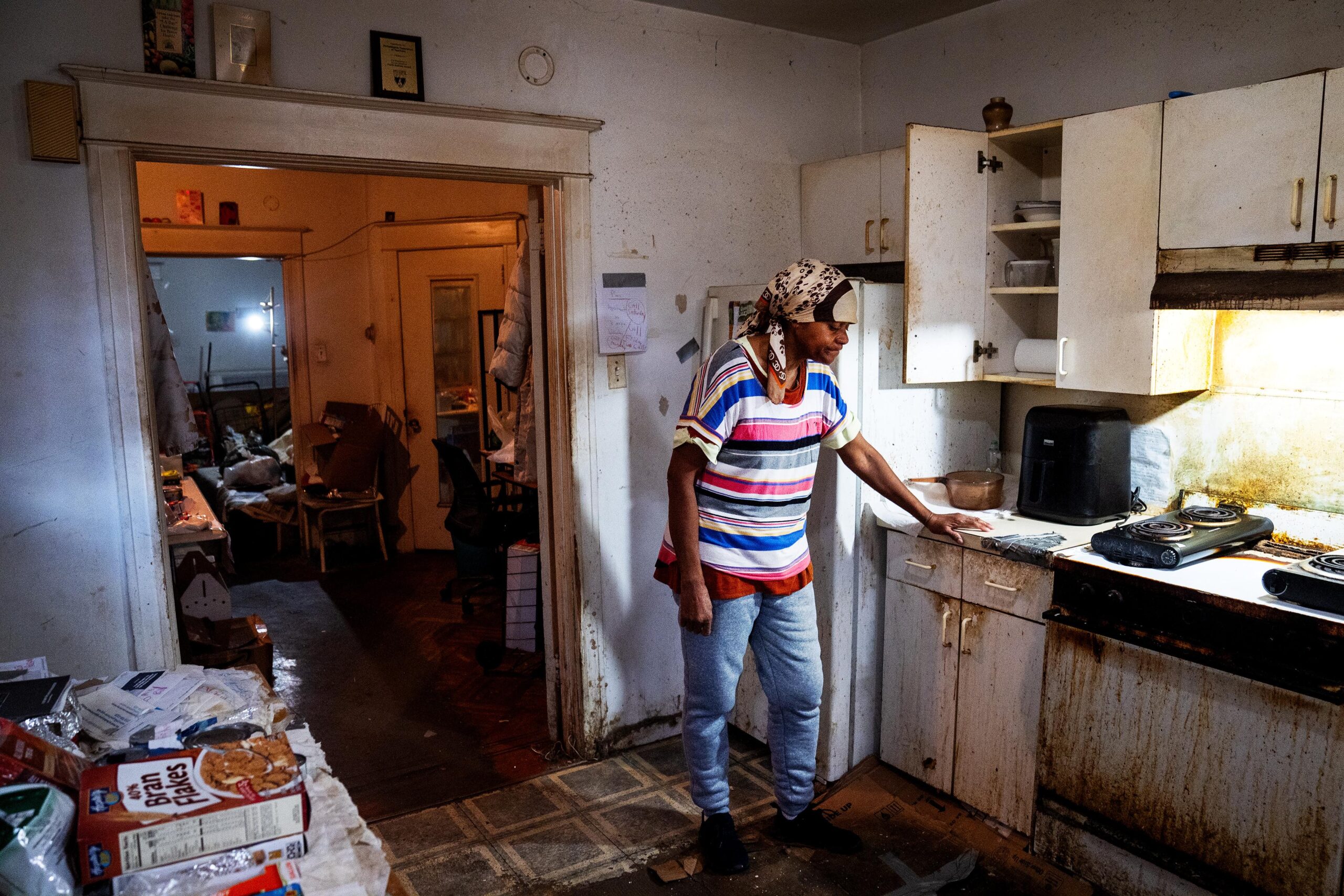
New York tenants have a right to a safe and sanitary living environment. The state’s warranty of habitability applies to residential leases, and landlords generally have responsibilities to maintain the premises and building in suitable condition.
Landlords of multiple dwellings are generally responsible for maintaining apartments and common areas in good repair and keeping them free from conditions such as vermin, garbage, and other hazards.
They also have responsibilities involving systems such as plumbing, electrical, heating, and ventilation, along with appliances installed by the landlord.
A Landlord Cannot Harass You Into Moving
Harassment isn’t always obvious.
It may involve threats, repeated disruptive behavior, intentional denial of services, damaging a tenant’s property, or other conduct designed to make someone leave or give up their legal rights.
New York specifically prohibits landlord conduct intended to force a tenant out or interfere with the tenant’s privacy, comfort, or quiet enjoyment.
In New York City, additional protections apply to tenants facing harassment, including restrictions against threats, destroying property, shutting off essential services, changing locks without providing a key, and bringing baseless court proceedings.
Landlords Cannot Retaliate Because You Made a Good-Faith Complaint
Imagine your apartment has a serious plumbing problem. You complain to your landlord and, when nothing happens, you contact a government agency.
Your landlord cannot legally punish you simply because you made a good-faith complaint about housing conditions or asserted your tenant rights.
New York law provides protection against retaliation. In certain circumstances, if a landlord takes action against a tenant within one year of a protected complaint, the law creates a presumption that the action was retaliatory.
That can include refusing to renew a lease, substantially changing the rental terms, or bringing an eviction case.
There are exceptions, including certain owner-occupied buildings with fewer than four units, so the specific property matters.
Landlords Cannot Enter Whenever They Feel Like It
Having the keys to an apartment doesn’t mean a landlord can walk in whenever they want.
New York tenants have a right to privacy. Generally, a landlord may enter with reasonable prior notice and at a reasonable time for permitted purposes such as repairs or services, subject to the lease and applicable law. Emergencies can be different.
A fire, major water leak, or another emergency may justify entry without advance notice.
For ordinary situations, however, tenants should not be treated as though they have no privacy simply because they rent the property.
Landlords Cannot Use Illegal Eviction Methods
A landlord who wants to remove a tenant must follow the legal process.
Depending on the situation, this may involve notices, a court case, a judgment, and enforcement by an authorized officer.
The New York Attorney General states that landlords cannot take matters into their own hands by using force, removing possessions, changing locks without giving the tenant a key, or otherwise preventing lawful occupancy.
If someone is unlawfully forced out, New York law provides remedies that may include restoration to the home and potential damages.
Some Tenants Have Good Cause Eviction Protections
Good Cause Eviction is another important protection for many New York renters.
The law took effect on April 20, 2024, and applies in New York City and certain other localities that have adopted or are covered by the law. For covered tenants, landlords generally cannot evict or refuse to renew simply because a lease has expired. They must establish a legally recognized good cause, subject to the law’s exceptions.
Good cause can include things such as failure to pay rent or certain lease violations.
However, not every apartment or landlord is covered. There are exemptions and specific rules, so tenants should determine whether their particular home falls under the law.
Landlords Cannot Put Certain Illegal Terms in a Lease
Not everything written in a lease is automatically enforceable.
New York’s Attorney General notes that certain lease provisions are prohibited, including provisions that attempt to exempt a landlord from liability for injuries or property damage caused by the landlord’s negligence. Other prohibited provisions can involve waiving certain jury-trial rights or requiring tenants to pledge household furniture as security for rent.
This is why renters shouldn’t assume that every sentence in a lease overrides New York law.
Landlords Cannot Discriminate Against Tenants
New York tenants are also protected by fair-housing laws.
Housing discrimination can involve protected characteristics and, in certain circumstances, discrimination based on lawful sources of income or disability-related issues.
The exact protections can depend on federal, state, and local law, so a tenant who believes they were denied housing or treated differently because of a protected characteristic should consider getting legal advice.
Rent-Regulated Tenants Have Additional Protections
If you live in a rent-controlled or rent-stabilized apartment, you may have rights that go beyond the protections available to tenants in ordinary market-rate housing.
For example, New York’s rent-regulation laws prohibit harassment intended to interfere with the privacy, comfort, or enjoyment of rent-regulated housing.
Rent-regulated tenants should also check with the New York State Division of Housing and Community Renewal when they have questions about the status of an apartment or possible violations.
What Should You Do If Your Landlord Violates Your Rights?
Don’t immediately assume that every disagreement with a landlord is a legal violation. Start by documenting what happened.
Keep copies of:
- Your lease
- Rent receipts and payment records
- Emails and text messages
- Repair requests
- Photos and videos of problems
- Notices from the landlord
- Inspection reports
- Court papers
- Records of calls or conversations
If you report a repair problem, putting the request in writing can create a useful record.
If you’re facing an eviction, lockout, harassment, or serious habitability problem, don’t ignore court papers or wait until the situation becomes worse.
New York has legal-service organizations that may provide free representation to tenants who qualify.
Frequently Asked Questions
1. Can my landlord lock me out without going to court?
Generally, no. A landlord cannot use an illegal lockout to force a tenant out. Lawful eviction normally requires a court process and enforcement of a court-issued warrant by an authorized officer.
2. Can my landlord enter my apartment whenever they want?
Generally, no. Tenants have privacy rights, and landlords generally must provide reasonable notice and enter at a reasonable time for a permitted purpose. Emergencies are an important exception.
3. Can a landlord retaliate after I complain about unsafe conditions?
New York law prohibits retaliation against tenants who make good-faith complaints about housing conditions or assert certain tenant rights. Specific exceptions can apply.
4. Can a landlord shut off heat or hot water because they want me to move?
A landlord cannot intentionally discontinue essential services as a way of forcing a tenant out. Such conduct may constitute harassment or an unlawful eviction.
5. Can my landlord evict me just because my lease expired?
It depends on the property, location, and applicable protections. Tenants covered by Good Cause Eviction may have additional protections against eviction or nonrenewal without a legally recognized good cause.
Final Thoughts
Knowing New York tenant rights can make a difficult rental situation a little less confusing. A landlord has legal responsibilities, just as a tenant does. Those responsibilities can include maintaining a habitable home, respecting reasonable privacy, following proper eviction procedures, and avoiding harassment or retaliation.
If something feels wrong, don’t rely only on a verbal conversation. Keep records, save your lease and notices, document repair problems, and learn which protections apply to your particular apartment.
New York’s rules can differ depending on whether you’re in New York City, another locality covered by Good Cause Eviction, a rent-stabilized apartment, or a different type of rental property. When the situation involves an eviction, lockout, harassment, or significant housing problem, professional legal assistance can be especially important.



