Buffalo Eviction Laws Explained
Getting an eviction notice can turn a normal week upside down pretty quickly. Maybe the rent is behind because money has been tight, maybe there is a disagreement with the landlord, or maybe the lease is ending and you are being told that you have to leave. Whatever the situation, receiving a notice does not necessarily mean you are being physically evicted that day.
Buffalo eviction laws are largely based on New York State landlord-tenant law, with eviction proceedings involving Buffalo properties handled through the appropriate court. Buffalo City Court has a dedicated Housing Part that handles landlord-tenant proceedings and housing-related matters within the City of Buffalo.
Understanding the basic process can help tenants avoid one of the biggest mistakes they can make: ignoring the paperwork.
A Notice Is Not the Same as an Eviction
This is an important distinction.
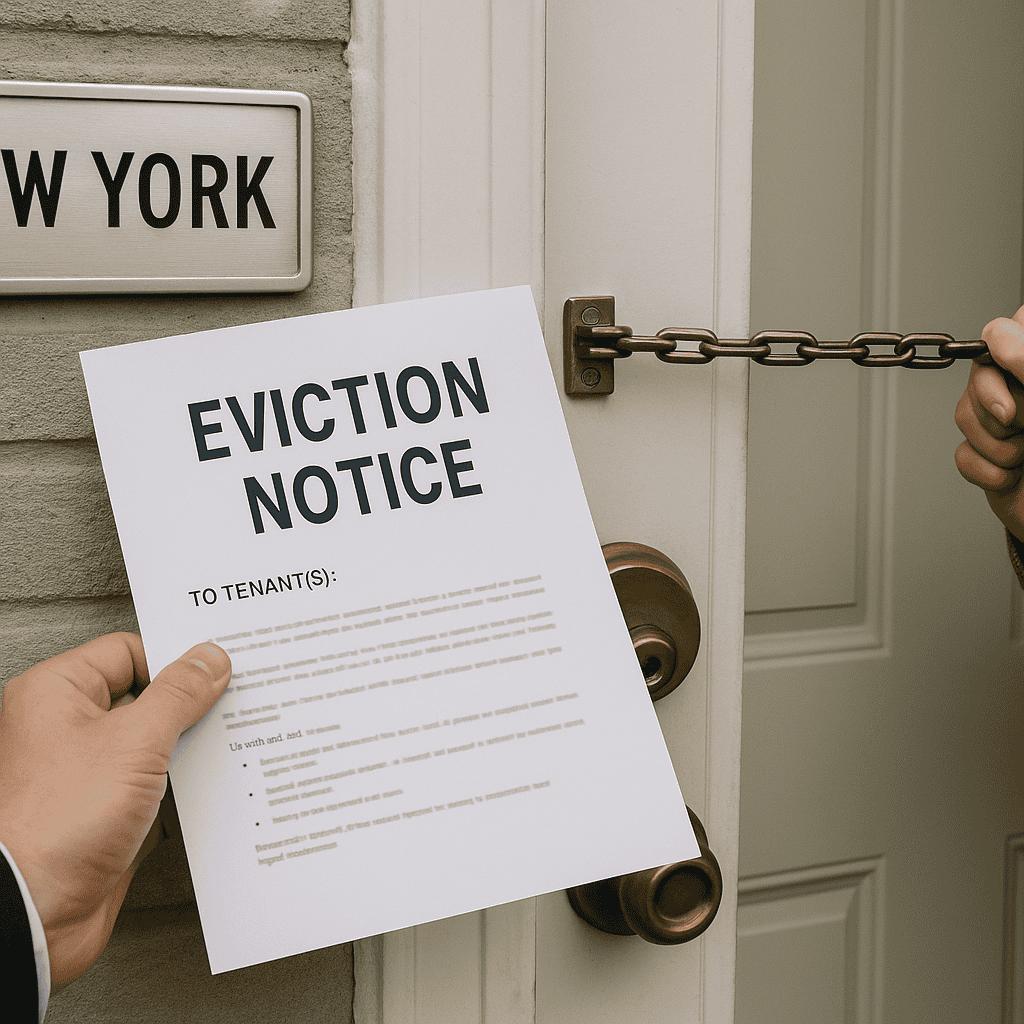
A landlord may send a rent demand, termination notice, or other legal notice telling a tenant that the landlord intends to start an eviction case. That is different from an actual eviction.
New York Courts explains that a landlord generally cannot simply change the locks or remove someone who has lived in a home for more than 30 days. An eviction generally requires a court proceeding and a judgment before a Marshal, Sheriff, or Constable can carry it out.
So if you come home and find a new lock on your apartment door without a court order, that is not the normal legal eviction process.
New York law provides protections against unlawful evictions, and certain illegal removals can constitute a criminal offense.
Why Might a Buffalo Tenant Face Eviction?
There are several different situations that can lead to an eviction case.
One of the most common is nonpayment of rent. If rent is owed, a landlord may start a nonpayment proceeding after following the required notice procedures.
Another possibility is a holdover proceeding. This can involve situations such as a tenant remaining after a lease ends, violating a substantial lease obligation, creating a nuisance, or another legally recognized reason for seeking possession.
New York Courts distinguishes nonpayment proceedings from holdover proceedings because they are based on different circumstances.
The reason stated by the landlord matters because it can affect what notices are required and what defenses may be available.
Buffalo Tenants May Have Good Cause Eviction Protections
New York’s Good Cause Eviction Law is an especially important consideration for some Buffalo-area renters.
The law provides additional protections to eligible tenants in certain non-rent-regulated housing. In general, covered landlords cannot simply refuse to renew a tenancy or remove a tenant after a lease expires without a legally recognized good cause. However, the law has exemptions and does not apply to every apartment or landlord.
That means a tenant should not automatically assume that an expired lease means they have no rights.
The coverage question can depend on factors involving the property, landlord, and applicable exemptions. A tenant should carefully review the language included in the lease and notices received from the landlord.
What If You Receive Eviction Court Papers?
Do not put them in a drawer and hope the problem disappears.
New York Courts specifically warns tenants not to ignore legal papers. Missing a court date or failing to answer can allow a landlord to obtain a default judgment.
Read everything carefully and pay attention to:
- The court where the case was filed
- Your court date
- The reason for the proceeding
- The amount of rent claimed, if it is a nonpayment case
- Any notice or deadline listed in the paperwork
If something appears incorrect, that does not mean you should simply skip court. It may be something to raise with the judge or an attorney.
Can a Landlord Lock You Out?
Generally, not simply because the landlord wants you gone.
New York Courts states that a landlord cannot use self-help eviction tactics against a person who has lived in the home for more than 30 days. A lawful eviction generally requires a court judgment followed by enforcement through an authorized officer.
This is particularly important if a landlord threatens to remove your belongings, shut off access, or change the locks without going through the legal process.
If you believe you have been unlawfully locked out, getting legal help quickly can be important.
What Happens After a Landlord Wins?
Winning a case does not mean the landlord personally walks into the apartment and removes the tenant.
New York’s court process provides for a judgment and warrant, followed by enforcement through a Marshal, Sheriff, or Constable. A Notice of Eviction is generally provided before the physical eviction takes place.
New York Courts explains that a standard Notice of Eviction gives the tenant at least 14 days before the eviction, although different rules can apply in particular circumstances.
There can also be circumstances where a tenant asks the court to stay or stop an eviction, depending on the facts of the case.
What Should Buffalo Tenants Do If They Are Facing Eviction?
Start by keeping every document.
Save the lease, rent receipts, bank records, emails, text messages, repair requests, photographs, notices, and court papers. If the dispute involves apartment conditions, photographs and written communications can become especially useful.
Next, find out exactly what type of case you are facing.
If the problem involves unpaid rent, the amount claimed should be checked carefully. If it is a holdover case, look closely at the reason the landlord gives for seeking possession. If Good Cause Eviction may apply, determine whether the property and tenancy fall within the law’s protections.
Buffalo City Court’s Housing Part also identifies legal-service organizations that may provide free representation to eligible tenants, including Neighborhood Legal Services, Legal Aid Bureau, Volunteer Lawyers Project, and Western New York Law Center.
4 FAQs About Buffalo Eviction Laws
1. Can my Buffalo landlord evict me without going to court?
Generally, no. A landlord cannot simply lock out a protected occupant and remove them without following the legal eviction process. New York law provides protections against unlawful evictions.
2. Does an expired lease automatically mean I have to leave?
Not necessarily. Depending on the property and circumstances, Good Cause Eviction protections or other legal requirements may apply. Some tenants may have additional protections even after a lease expires.
3. What happens if I miss my Buffalo eviction court date?
A landlord may be able to obtain a default judgment if a tenant does not appear or respond. New York Courts provides procedures that may allow a tenant to ask the court to vacate a default in appropriate circumstances.
4. Can I get legal help with an eviction in Buffalo?
Yes. Buffalo City Court lists several legal-service organizations that may provide assistance to eligible tenants.
Final Thoughts
An eviction notice can feel like the decision has already been made, but the legal process is more complicated than simply being told to move out. The reason for the eviction, the notices provided, the lease, the property’s status, and potentially Good Cause Eviction protections can all matter.
If you are facing an eviction in Buffalo, take the paperwork seriously, keep your records, and do not wait until the last minute to understand your options. A local attorney or qualified legal-aid organization can review the specific facts of your situation and explain what rights and defenses may apply.