Buffalo Tenant Rights and Landlord Laws: What Renters Should Know
Renting an apartment in Buffalo can feel pretty straightforward until something goes wrong. Maybe the heat stops working in the middle of winter, your landlord keeps your security deposit after you move out, or you receive a notice telling you that you need to leave. That is usually when tenants start asking what their actual rights are.
New York has laws that protect renters in many of these situations, and Buffalo has its own housing and landlord-tenant court system for handling certain disputes. Understanding Buffalo tenant rights can help you recognize when a landlord is following the rules and when you may need to take action.
Your Landlord Must Provide a Livable Home
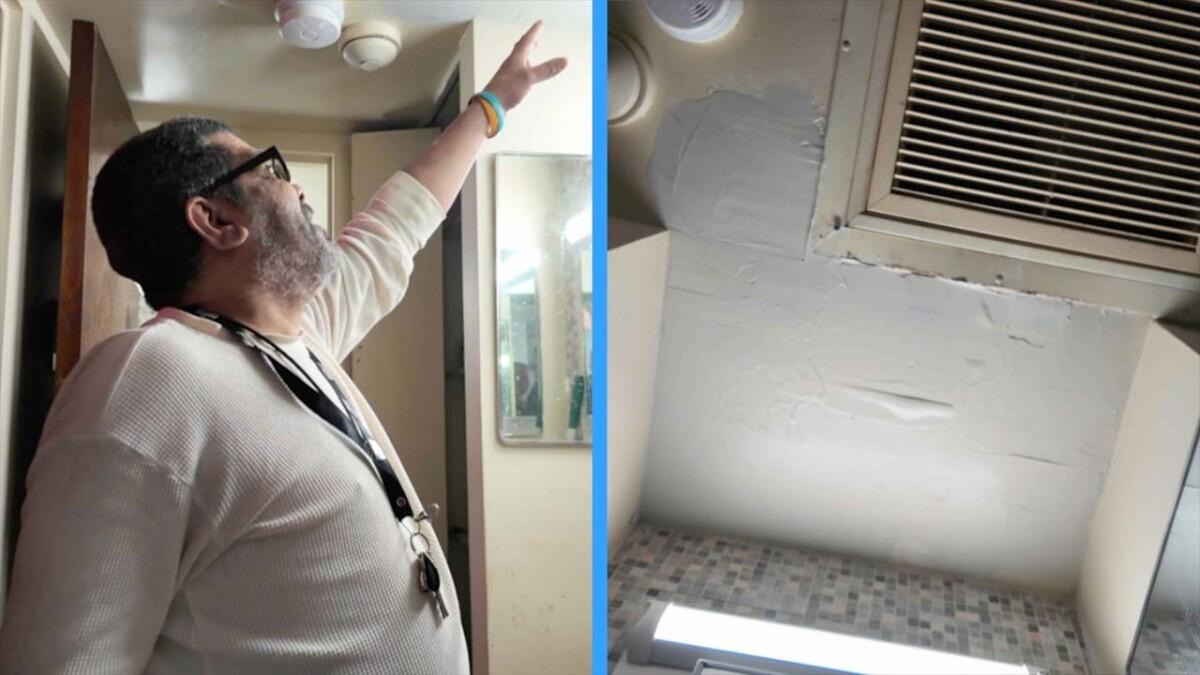
One of the most important protections for New York renters is the warranty of habitability. In simple terms, a residential tenant has the right to a home that is livable, safe, and sanitary. The New York Attorney General specifically identifies problems such as inadequate heat or hot water and serious pest infestations as examples of conditions that may violate this right.
This can become especially important in Buffalo during the colder months. If a heating system stops working, for example, a tenant should not simply assume that they have to live with it.
Landlords of multiple dwellings also have responsibilities to maintain building systems and keep common areas in good repair.
What About Repairs?
If something breaks in your rental, tell the landlord or property manager promptly. It is usually a good idea to make the complaint in writing so there is a record of when you reported the problem.
Keep copies of emails, messages, photographs, maintenance requests, and other communications.
Buffalo City Court’s Housing and Landlord-Tenant Court handles proceedings involving housing-code violations, possession of residential premises, unpaid rent, and certain tenant claims involving a landlord’s failure to make repairs.
If the condition is serious, getting legal advice can be worthwhile before deciding whether to withhold rent or take another step. A tenant who withholds rent without understanding the consequences could end up facing a nonpayment case.
Security Deposits Have Rules Too
Security deposits are another common source of landlord-tenant disagreements.
For most residential rentals, New York law limits a security deposit to no more than one month’s rent. A landlord can generally use the deposit for unpaid rent or damage beyond ordinary wear and tear, but not simply for normal aging of the apartment.
For covered non-rent-regulated units, the landlord generally must return the remaining security deposit within 14 days after the tenant moves out. If money is withheld for damage, an itemized statement explaining the deductions is required.
That is why taking photographs of the apartment before moving out can be surprisingly useful. A quick walk-through with your phone can create a record of the apartment’s condition.
Can a Landlord Just Evict You?
No. A landlord cannot simply decide one morning to change your locks and put your belongings outside.
New York Courts explains that a landlord generally must take the proper legal steps and obtain a judgment before a lawful eviction can occur. Only authorized law-enforcement officers, such as a sheriff, marshal, or constable, can carry out a court-ordered eviction.
This is important if you receive court papers. Ignoring them does not make the problem disappear. Missing a court appearance can result in a judgment against you.
If you receive a rent demand, petition, eviction notice, or other court document, read it carefully and consider getting legal assistance quickly.
Buffalo Renters May Have Good Cause Eviction Protections
New York’s Good Cause Eviction Law provides additional protections to many tenants in covered areas, including Buffalo and other municipalities where the law applies. The Attorney General explains that covered tenants generally cannot simply be evicted or denied renewal because a lease has expired; a legally recognized good cause may be required. There are exceptions and exemptions, however, so coverage depends on the particular apartment, landlord, and circumstances.
That distinction matters. A tenant should not assume that every Buffalo rental is covered—or that every landlord has unlimited freedom to end a tenancy.
Your Landlord Cannot Retaliate for Certain Complaints
Imagine you report a serious health or safety problem. A few months later, your landlord suddenly threatens not to renew your lease.
New York law provides protections against certain forms of landlord retaliation. The Attorney General explains that tenants may be protected when they make good-faith complaints about health and safety problems, habitability, repairs, or violations of their rights. In certain circumstances, an eviction or adverse change in the rental relationship within one year of the complaint can create a presumption of retaliation.
Of course, timing alone does not automatically prove retaliation. The facts surrounding the landlord’s action still matter.
Landlord Entry and Your Privacy
Having a landlord does not mean giving up all privacy in your home.
New York’s tenant-rights guidance generally allows landlords to enter for legitimate purposes such as repairs or services with reasonable notice at a reasonable time, subject to the lease and applicable law. Emergencies are different; circumstances such as a fire or serious water leak may justify immediate entry.
If your landlord repeatedly enters without appropriate notice or uses access to harass you, keep a written record of what happened.
Tenants Have Responsibilities Too
Tenant rights come with responsibilities.
Renters are generally expected to pay rent according to their agreement, take reasonable care of the property, avoid causing damage, follow applicable lease rules, and provide reasonable access when the landlord is legally entitled to enter.
That means a landlord-tenant dispute is not automatically a situation where one side is completely right and the other is completely wrong. The lease, communications, property condition, notices, and specific circumstances can all matter.
What Should You Do If There Is a Dispute?
Start documenting everything.
Save your lease. Keep rent-payment records. Photograph repair problems. Save texts and emails. Write down dates when you reported problems and what the landlord said in response.
And if you receive legal papers, do not put them in a drawer and hope the situation goes away.
Buffalo has a dedicated Housing and Landlord-Tenant Court that handles residential possession and housing-related matters. Depending on the problem, tenants may also be able to find legal-service organizations that provide assistance at no charge to qualifying renters. The New York Attorney General maintains information about housing legal services and tenant resources.
4 FAQs About Buffalo Tenant Rights and Landlord Laws
1. Can my Buffalo landlord keep my entire security deposit?
Not automatically. New York law limits what a landlord can lawfully deduct, generally allowing deductions for things such as unpaid rent or damage beyond normal wear and tear. Covered non-rent-regulated units generally require the landlord to provide the remaining deposit and an itemized statement within 14 days after move-out.
2. Can a landlord lock me out of my Buffalo apartment?
A landlord generally cannot use an illegal lockout to remove a residential tenant. A lawful eviction normally requires a court process and judgment, followed by enforcement by an authorized officer.
3. What if my landlord refuses to make important repairs?
Document the problem and notify the landlord in writing. Depending on the condition and circumstances, tenants may have legal remedies based on New York’s warranty of habitability and local housing laws. Buffalo’s Housing and Landlord-Tenant Court handles certain cases involving housing violations and repair-related disputes.
4. Does Good Cause Eviction apply to every Buffalo renter?
No. Good Cause Eviction protections have exceptions and exemptions, and whether a particular tenant or property is covered depends on the circumstances. It is worth checking the specific rental situation rather than assuming the law automatically applies.
Final Thoughts
Being a tenant does not mean you have to accept unsafe conditions, improper lockouts, unexplained security-deposit deductions, or other actions that may violate New York law. At the same time, understanding your responsibilities as a renter can prevent small disagreements from becoming much bigger problems.
If a landlord-tenant dispute is becoming serious, keep your records and get advice based on the specific facts of your situation. Housing rules can depend on the type of property, lease, location, and circumstances, so a general article cannot replace advice about an individual case.