Rochester DWI Laws: What Drivers Should Know
A DWI charge in Rochester can turn into much more than a traffic ticket. Suddenly, there may be questions about your driver’s license, court appearances, fines, insurance, employment, and what the charge could mean for your future. Understanding Rochester DWI Laws can help you see why these cases should be taken seriously and why the details surrounding the traffic stop and arrest can matter.
New York law generally treats a driver with a blood alcohol concentration (BAC) of .08% or higher as intoxicated. However, a DWI charge does not always depend on a BAC reading of .08%. New York also recognizes what is commonly called “common law DWI,” where the prosecution can allege that alcohol or drugs impaired a person’s ability to operate a vehicle.
What Counts as DWI in New York?
New York has several alcohol- and drug-related driving offenses. A driver can face a DWI charge for operating a vehicle while intoxicated, while impaired by alcohol, or while impaired by drugs or a combination of alcohol and drugs.
A BAC between more than .05% and .07% can support a DWAI charge, while .08% or higher is the statutory BAC level associated with DWI. At .18% or higher, a driver may face aggravated DWI charges.
The circumstances can become more serious when there are prior alcohol- or drug-related convictions, injuries, deaths, children in the vehicle, or particularly high BAC levels.
What Happens After a DWI Arrest?
Being arrested does not mean that you have already been found guilty. A DWI case can involve both criminal-court proceedings and separate driver’s-license consequences.
The court process may involve arraignment, evidence review, motions, negotiations, hearings, or trial depending on the circumstances. At the same time, the Department of Motor Vehicles can impose license consequences under New York’s administrative rules.
For a first DWI conviction, New York DMV materials list a minimum six-month license revocation. A second qualifying offense within 10 years can result in a minimum one-year revocation.
That distinction is important because a person may have to deal with the license issue even while the criminal case itself is still developing.
What Are the Penalties for a First DWI?
A first DWI offense under New York law is generally treated as an unclassified misdemeanor. According to New York DMV information, a first DWI conviction can carry a fine of $500 to $1,000 and up to one year in jail, along with a minimum six-month license revocation. Additional fees and requirements can also apply.
The actual consequences can depend on the exact charge, BAC level, prior record, and circumstances of the incident.
For aggravated DWI, the penalties are more severe. New York DMV identifies aggravated DWI as involving a BAC of .18% or higher. A first aggravated DWI conviction can carry a $1,000 to $2,500 fine, up to one year in jail, and at least a one-year license revocation.
What If There Was a Previous DWI?
Prior convictions can significantly change the situation.
For example, a second DWI or aggravated DWI offense within the applicable 10-year period can be prosecuted as a felony. New York DMV lists a second DWI conviction within 10 years as a Class E felony, with substantially higher potential fines, jail exposure, and license consequences. A third qualifying offense can be a Class D felony.
This is one reason an attorney will usually want to know about any previous alcohol- or drug-related driving convictions before discussing possible outcomes.
Can You Still Drive After a DWI?
Not necessarily.
License revocation and suspension rules depend on the offense and the driver’s history. Some people may qualify for limited driving privileges or other licensing options, but eligibility depends on the circumstances and applicable DMV rules.
Another issue is an ignition interlock device. New York Courts explains that people convicted of misdemeanor or felony DWI or aggravated DWI are generally required to install an ignition interlock device on vehicles they own or use, with the court sentence determining the applicable requirements.
An ignition interlock device requires the driver to provide a breath sample before the vehicle will start. Violating an ignition-interlock requirement can create additional legal problems.
What About a DWI Involving Drugs?
DWI laws are not limited to alcohol.
New York recognizes offenses involving driving while impaired by drugs and driving while impaired by a combination of drugs and alcohol. Prescription medication can also become relevant if it affects a person’s ability to drive safely.
The fact that a medication was legally prescribed does not automatically prevent an impaired-driving charge. The circumstances and evidence surrounding the driver’s condition still matter.
Why the Details of the Traffic Stop Matter
A DWI case is not simply about the final BAC number.
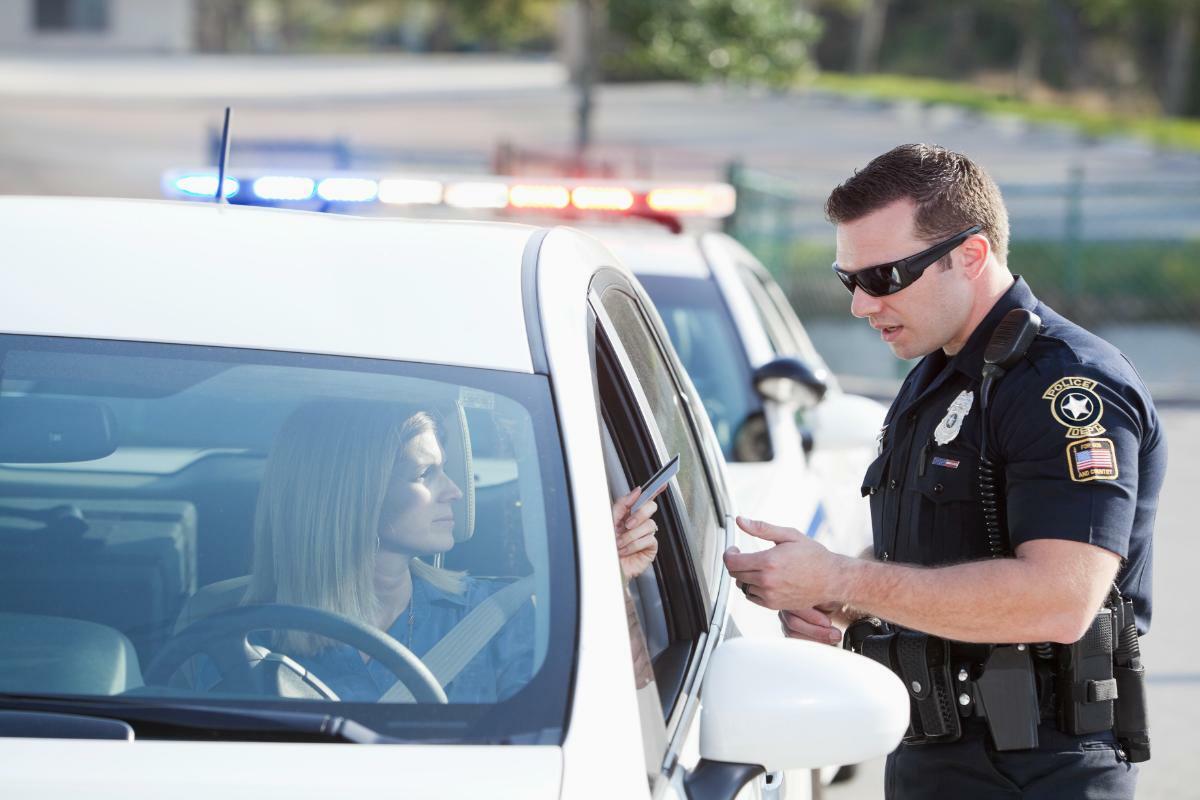
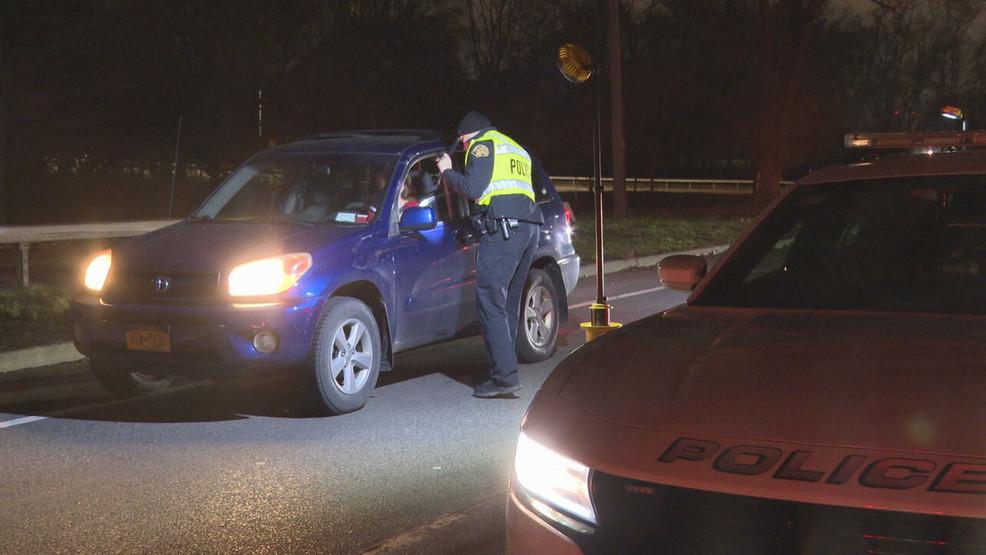
An attorney may examine what happened before the arrest, including why the vehicle was stopped, what the officer observed, whether field sobriety tests were performed, how chemical testing was conducted, and whether required procedures were followed.
Depending on the case, questions about the traffic stop, statements, testing equipment, blood or breath evidence, and other evidence may become important.
Recent Fourth Department cases also show that DWI-related cases continue to reach the appellate courts in Western New York and other parts of the state. For example, the Fourth Department addressed an aggravated DWI case involving children in the vehicle in People v. Joyner-Pounds.
When Should You Speak With a DWI Lawyer?
It is generally wise to get legal advice as soon as possible after a DWI arrest, especially if you are worried about your license, employment, previous convictions, or the possibility of enhanced charges.
Bring the paperwork you received, information about the traffic stop, court documents, and any details you remember about testing or questioning. Do not assume that a DWI charge automatically means you will be convicted, but do take the charge seriously.
A lawyer can review the specific facts and explain what defenses, procedural issues, negotiations, or other options may be available in your situation.
4 FAQs About Rochester DWI Laws
1. What is the legal BAC limit for DWI in Rochester?
Under New York law, a BAC of .08% or higher is the statutory level associated with DWI for most adult drivers. Lower BAC levels can also lead to impairment-related charges depending on the circumstances.
2. Can I lose my license after a DWI conviction?
Yes. A first DWI conviction generally carries a minimum six-month license revocation. Repeat offenses can result in longer revocations.
3. Is a DWI a felony in New York?
A first DWI is generally an unclassified misdemeanor, but certain repeat DWI offenses within the applicable period can become felonies. Other circumstances can also increase the seriousness of the charges.
4. Will I need an ignition interlock device?
A person convicted of DWI or aggravated DWI generally must comply with ignition-interlock requirements under the applicable court order and New York law.
Final Thoughts
A DWI charge can affect much more than one night on the road. Your driver’s license, finances, insurance, employment, and future driving privileges may all become concerns. Rochester drivers should understand that New York’s DWI laws include several different offenses and that penalties can become much more serious with prior convictions or aggravating circumstances.
If you are facing a DWI charge, getting advice based on the specific facts of your case is much more useful than assuming every DWI case follows the same path.