Car Accident in NYC: Laws, Rights and Legal Options
A car accident in New York City can turn an ordinary day into weeks or months of doctor visits, insurance calls, missed work, and questions about what happens next. Even a crash that seems minor at first can become more complicated when pain develops later or the insurance company starts asking questions. Understanding your basic rights after a Car Accident in NYC can help you make informed decisions before accepting a settlement or giving up on a claim.
New York has specific rules for car accident claims, and the process can depend on the type of injury, who was responsible, the insurance coverage involved, and whether the accident involved a government vehicle or property.
What Should You Do After a NYC Car Accident?
Safety should come first. If anyone is injured, call 911 and get medical attention. If it is safe to do so, exchange information with the other driver and document the accident scene.
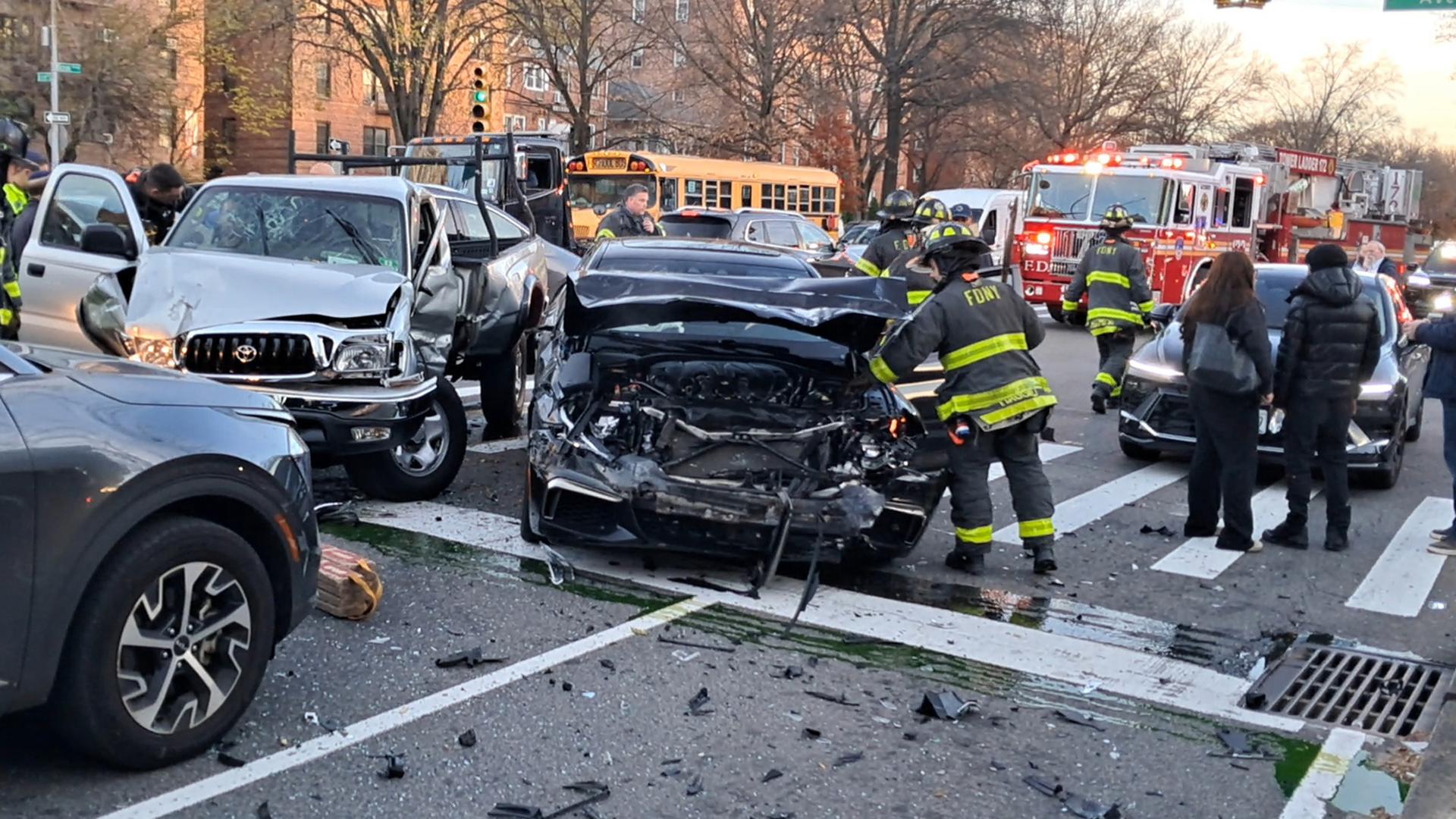
Photos can be especially useful. Take pictures of the vehicles, damage, road conditions, traffic signals, visible injuries, and anything else that may help explain what happened.
New York requires certain crashes to be reported to the DMV. A crash involving a death, personal injury, or property damage of more than $1,000 to any one person’s property generally requires an MV-104 report, which must be filed within 10 days.
You should also notify your insurance company according to the requirements of your policy.
New York’s No-Fault Insurance System
One of the things that can surprise people after a NYC accident is New York’s no-fault system.
In general, no-fault insurance is designed to provide benefits for certain economic losses resulting from injuries caused by the use or operation of a motor vehicle, regardless of who caused the crash. This can include medical expenses and certain lost earnings, subject to applicable limits and rules.
That does not necessarily mean an injured person cannot bring a lawsuit against the driver who caused the accident.
Instead, New York places restrictions on when an injured person can pursue a claim for pain and suffering against another driver. The nature and seriousness of the injury can become very important.
When Can You Sue the Other Driver?
A person injured in a New York car accident may have a personal injury claim against another party when the legal requirements for bringing such a claim are met.
Serious injuries can include circumstances such as significant fractures, permanent limitations, substantial disfigurement, or other injuries meeting New York’s statutory threshold. The details matter, so someone should not assume they have no legal claim simply because an insurance company says the injury is covered by no-fault.
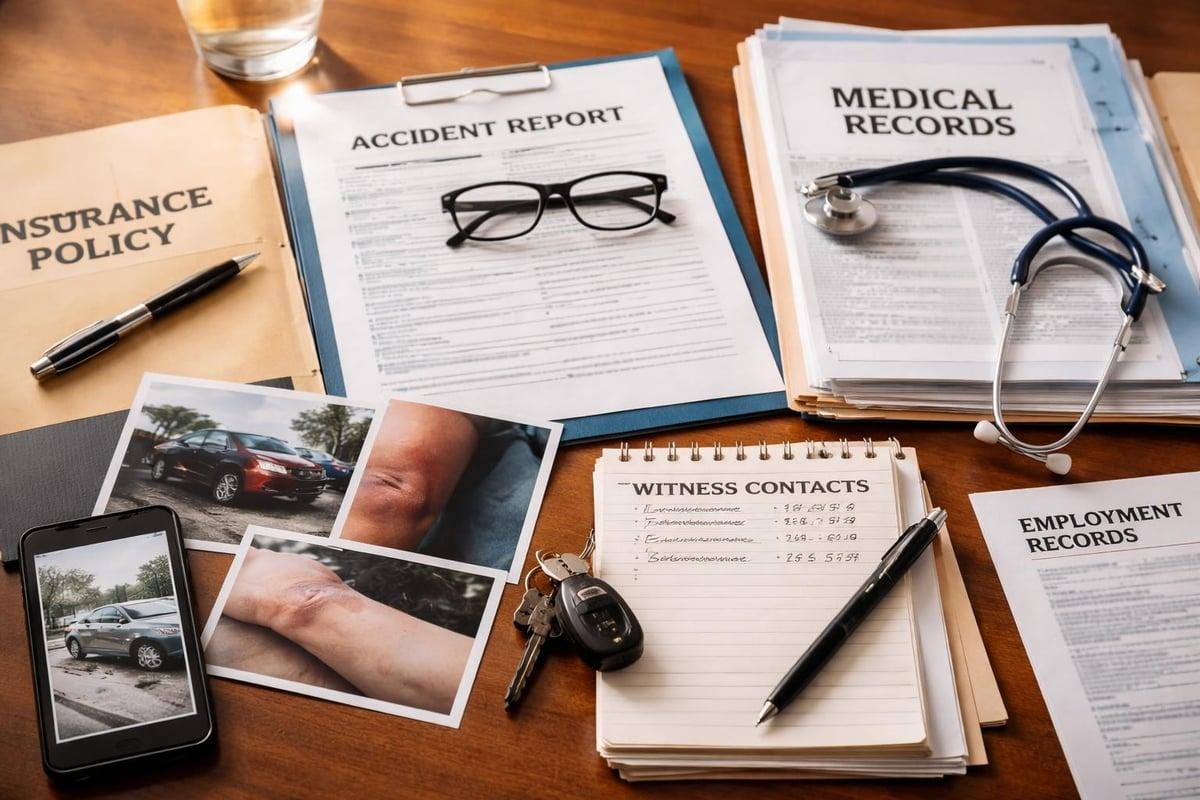
A lawyer may review medical records, accident reports, photographs, witness statements, vehicle damage, and other evidence to determine whether the facts support a lawsuit.
Who Was Responsible for the Crash?
Determining fault can become complicated in NYC traffic.
A collision might involve speeding, distracted driving, failure to yield, unsafe lane changes, following too closely, running a red light, impaired driving, or another form of negligence. In some cases, more than one driver may share responsibility.
New York follows a comparative-fault system, meaning an injured person’s recovery can be reduced based on that person’s share of responsibility. For that reason, evidence showing how the crash actually happened can become extremely important.
Dashcam footage, traffic-camera footage where available, photographs, witness information, police reports, and vehicle damage can all help establish what happened.
What If the Other Driver Leaves the Scene?
Hit-and-run accidents create another layer of difficulty.
If the other driver leaves, try to record whatever identifying information you can safely obtain, such as the vehicle’s make, model, color, license plate, and direction of travel. Witnesses may also be able to provide valuable information.
Report the incident to law enforcement and notify your insurance company. Depending on the circumstances and available coverage, an uninsured-motorist claim may also become relevant.
How Long Do You Have to File a Car Accident Lawsuit?
For many New York car accident personal injury claims, the general statute of limitations is three years from the date of the accident. New York Courts lists car accidents under CPLR 214(4) with a three-year period.
That does not mean it is wise to wait.
Different rules can apply depending on who is involved. For example, claims involving the City of New York or another government entity may have special notice requirements and significantly shorter deadlines. New York Courts explains that claims against municipalities can require a Notice of Claim within 90 days, with additional rules governing when a lawsuit may be filed.
Because deadlines can determine whether a claim can move forward at all, it is worth getting legal advice early when a serious injury is involved.
What Compensation May Be Available?
Depending on the circumstances, an injured person may seek compensation for different losses.
These can include medical expenses, lost income, rehabilitation costs, and other economic losses. In a qualifying personal injury lawsuit, damages for pain and suffering may also be available.
The value of a claim cannot be determined simply by looking at the vehicle damage. A car may have relatively minor damage while the person inside suffers a significant injury.
Future medical treatment, reduced ability to work, and long-term physical limitations can also affect the overall value of a claim.
Should You Accept the Insurance Company’s Settlement?
Be careful about accepting a settlement before you understand the full extent of your injuries.
Insurance companies may try to resolve claims quickly, particularly when the accident initially appears straightforward. But some injuries take time to diagnose, and medical treatment can continue long after the first emergency-room visit.
Once a settlement is accepted and legally finalized, you may have limited or no ability to seek additional compensation for the same claim. Before signing anything involving a substantial injury, it can be worthwhile to have the offer reviewed by an attorney.
When Should You Speak With a Lawyer?
Not every fender-bender requires an attorney. But legal advice can become particularly important when someone suffers a serious injury, disputes fault, faces significant medical expenses, cannot work, receives a settlement offer, or is dealing with multiple insurance companies.
A lawyer can also help preserve evidence and identify all potentially responsible parties.
The earlier you understand your options, the easier it may be to avoid mistakes that could affect your claim later.
4 FAQs About Car Accidents in NYC
1. How long do I have to file a car accident lawsuit in New York?
Many New York car accident personal injury claims have a three-year statute of limitations, but exceptions and different deadlines can apply. Claims involving government entities may have much shorter notice requirements.
2. Does New York no-fault insurance mean I cannot sue the other driver?
No. No-fault benefits and a personal injury lawsuit are separate issues. A lawsuit for pain and suffering may be possible when the injured person meets New York’s serious-injury requirements.
3. What evidence should I keep after a NYC car accident?
Keep photographs, medical records, bills, insurance correspondence, police or accident reports, witness information, repair records, and anything else connected to the crash. If you have video footage, preserve the original file.
4. Should I hire a lawyer after a car accident?
It depends on the circumstances. A lawyer may be especially helpful when the injuries are serious, fault is disputed, multiple parties are involved, or an insurance company is offering a settlement that you are unsure about.
Final Thoughts
A NYC car accident is not always as simple as exchanging insurance information and getting the vehicle repaired. Injuries, insurance coverage, fault, medical treatment, lost income, and legal deadlines can all become part of the picture.
If you have been seriously injured, do not feel pressured to make an immediate decision about a settlement before you understand your rights. Keeping good records, getting appropriate medical care, preserving evidence, and getting legal advice when needed can put you in a much stronger position as you decide what to do next.