Employment Law in NYC: Laws, Rights and Legal Options
Work problems can become stressful quickly. A paycheck is missing, a manager starts treating you differently, you are suddenly working hours that were never discussed, or you are fired after raising a concern. In New York City, workers have protections under a combination of city, New York State, and federal laws. Understanding Employment Law in NYC can help workers recognize when a workplace problem may be more than just an uncomfortable situation.
The rules can also depend on the type of worker, the employer, the industry, and what actually happened. That is why looking at the details matters before deciding what to do next.
What Employment Laws Protect NYC Workers?
Employment protections cover many parts of working life, including wages, working hours, leave, workplace safety, discrimination, retaliation, hiring practices, and termination.
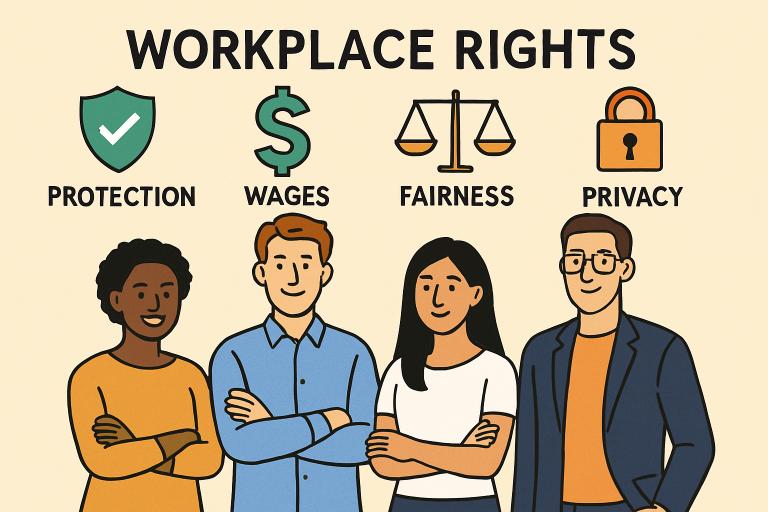
New York City’s Workers’ Bill of Rights brings together important city, state, and federal protections covering issues such as pay, leave, health and safety, discrimination, hiring, and employee benefits. It also notes that workers generally have these rights regardless of immigration status.
This means a workplace dispute is not necessarily limited to one law. For example, a worker who believes they were fired after complaining about unpaid wages could potentially have both a wage issue and a retaliation issue.
Wage and Hour Rights
Getting paid correctly is one of the most basic employment rights.
New York State labor protections cover minimum wage, hours of work, payment of wages, meal periods, and other workplace standards. The New York State Department of Labor can investigate complaints and enforce labor laws.
Problems can include unpaid wages, improperly calculated overtime, unlawful deductions, or being required to work without proper compensation.
Workers who notice something unusual with their pay should keep pay stubs, time records, schedules, employment agreements, and relevant messages. Those records can make it easier to understand what actually happened.
Discrimination and Harassment
Employees in NYC are protected from discrimination in areas such as hiring, pay, promotions, discipline, and termination. The New York City Human Rights Law also provides protections involving harassment and reasonable accommodations.
Depending on the circumstances, protections may involve characteristics such as age, disability, pregnancy, race, religion, sex, sexual orientation, gender identity, immigration or citizenship status, and other protected categories.
A workplace does not have to become openly hostile for a legal issue to exist. Sometimes the concern is a pattern of decisions—for example, being repeatedly denied opportunities while similarly situated coworkers receive them.
Protected Time Off
Time away from work can also be protected.
NYC’s current Protected Time Off Law provides covered employees with protected time off for qualifying reasons, including health, safety, childcare, certain legal or public-benefit matters, and other circumstances. Most employees can receive up to 40 or 56 hours of paid protected time off depending on applicable rules, along with 32 hours of unpaid protected time off. The city also provides paid prenatal leave for covered employees.
An employer generally cannot retaliate against an employee for exercising protected rights. NYC also protects employees who request certain temporary schedule changes, including changes involving work times, locations, remote work, or shift swaps.
What About Retaliation?
Sometimes the original workplace problem is not the only issue. An employee may report wage violations, discrimination, harassment, or another legal concern and then experience punishment afterward.
New York State law protects workers from retaliation for exercising certain labor rights, including complaining about potential labor-law violations or participating in an official proceeding.
Retaliation can take different forms. It might involve termination, reduced hours, unfavorable assignments, disciplinary action, or another adverse change. The timing and circumstances can matter when evaluating whether a connection exists.
What Can You Do If Your Employer Violates Your Rights?
The right response depends heavily on the problem.
For some wage and labor issues, a worker may be able to file a complaint with the New York State Department of Labor. NYC’s Department of Consumer and Worker Protection also enforces several city workplace laws and accepts complaints involving laws within its authority.
For discrimination-related concerns, workers may have administrative or legal options through the NYC Commission on Human Rights, New York State agencies, federal agencies, or the courts, depending on the facts and applicable law.
A private employment lawyer may also help determine whether a lawsuit or another legal strategy makes sense. It is important not to wait unnecessarily because different claims can have different filing deadlines.
When Should You Talk to an Employment Lawyer?
Not every workplace disagreement requires an attorney. But getting legal advice can be worthwhile when the situation involves termination, substantial unpaid wages, discrimination, harassment, retaliation, a workplace contract, restrictive agreements, or another potentially significant legal claim.
Bring relevant documents to a consultation. Pay records, emails, text messages, employee handbooks, performance reviews, disciplinary notices, schedules, and termination paperwork may help the attorney understand the situation.
Most importantly, tell the lawyer what happened—even the parts that may not seem favorable to you. A complete picture allows the attorney to give you a more realistic assessment of your options.
4 FAQs About Employment Law in NYC
1. Can an employee be fired for complaining about a workplace violation?
An employer may not retaliate against a worker for exercising rights protected by applicable city, state, or federal law. Whether a particular termination is unlawful depends on what the employee complained about, how the complaint was made, and what happened afterward.
2. What should I do if my employer has not paid me correctly?
Keep your pay stubs, schedules, time records, employment documents, and communications about your pay. Depending on the circumstances, you may be able to pursue the issue through the New York State Department of Labor or another legal option.
3. Are NYC workers entitled to protected time off?
Many employees are covered by NYC’s Protected Time Off Law. The amount and type of leave available can depend on the employee and employer circumstances. NYC currently provides paid protected time off, unpaid protected time off, and paid prenatal leave under applicable rules.
4. Can I talk to an employment lawyer before filing a complaint?
Yes. Speaking with an employment attorney before filing a complaint can help you understand potential claims, deadlines, evidence, and the different options available in your particular situation.
Final Thoughts
Employment problems are often easier to deal with when you understand what happened and start keeping records early. A confusing paycheck, sudden termination, uncomfortable workplace behavior, or negative treatment after making a complaint may have a legal explanation—or it may not. The important thing is to look at the details rather than assume either way.
NYC workers have protections under multiple layers of law, and the best next step depends on the facts. If the situation could affect your income, career, or legal rights, getting advice from an employment professional can help you understand what options are realistically available.