Slip and Fall in NYC: Laws, Rights and Legal Options
A slip or fall can happen in just a few seconds. Maybe there was water on a store floor, an uneven sidewalk, broken stairs, poor lighting, or ice that was never properly cleared. At first, you may think you are fine and simply want to get home. Then the pain starts later that evening or the next morning. That is when many people begin wondering what their rights actually are. Understanding the laws surrounding a slip and fall in NYC can help you make better decisions after an accident.
New York premises liability law generally requires property owners and other responsible parties to take reasonable steps to maintain their property in a reasonably safe condition. But simply getting injured on someone else’s property does not automatically mean that the owner is legally responsible. The circumstances surrounding the dangerous condition are important.
Who May Be Responsible for a Slip and Fall?
Responsibility depends on where the accident happened and what caused it.
A property owner, business, landlord, property manager, contractor, or another party may potentially be responsible when a dangerous condition caused the accident and the party had a legal duty to address it.
Common examples include:
- Wet or slippery floors
- Broken or uneven sidewalks
- Cracked flooring
- Poorly maintained stairs
- Missing handrails
- Snow or ice
- Potholes or other dangerous walking surfaces
- Poor lighting
- Debris left in walkways
The key issue is usually more than simply proving that a hazardous condition existed. A claim may also involve questions about whether the responsible party created the condition, knew about it, or should reasonably have discovered and corrected it.
Notice Can Be a Major Issue
One of the difficult parts of many slip-and-fall cases is proving notice.
Imagine you walk into a grocery store and slip on a puddle. The store may argue that an employee did not know about the water and did not have a reasonable opportunity to clean it.
That can make evidence especially important.
Photos of the condition, surveillance footage, employee statements, inspection records, incident reports, and witness information may all become relevant. In some cases, the appearance or characteristics of the condition itself can also become part of the dispute over how long it existed.
New York courts have emphasized that notice can be central to establishing a premises-liability claim because liability generally cannot be imposed simply because someone happened to be injured on the property.
What Should You Do After a Slip and Fall?
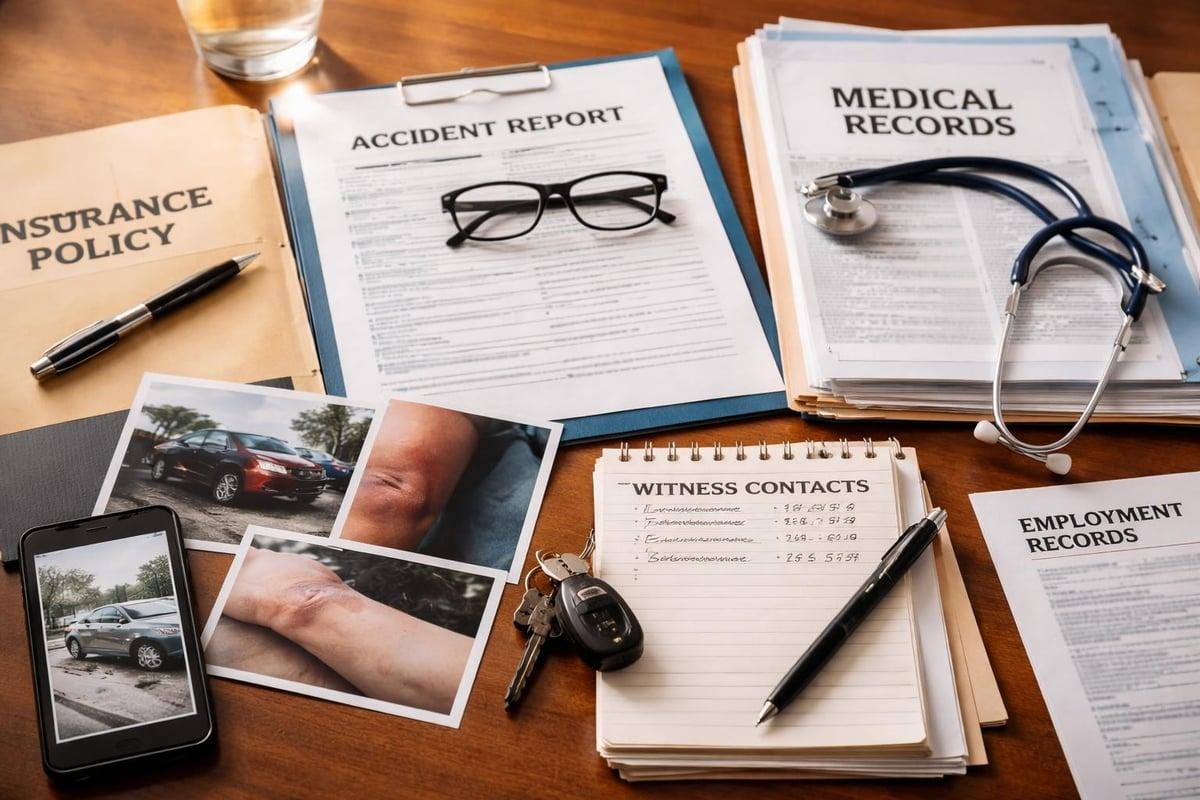
If you are physically able to do so, try to document what happened as soon as possible.
Take photographs of the exact area where you fell. If there was water, ice, a broken surface, debris, or another hazard, photograph it before it is cleaned or repaired if you safely can.
You should also consider:
- Getting medical attention for your injuries
- Reporting the accident to the property owner or business
- Asking for a copy of an incident report when appropriate
- Getting contact information from witnesses
- Keeping medical bills and treatment records
- Saving photographs of visible injuries
- Keeping the shoes and clothing you were wearing
- Writing down what happened while the details are still fresh
Do not assume that an injury is minor simply because you were able to walk away from the accident. Some injuries become more noticeable with time.
What If the Accident Happened on a NYC Sidewalk?
Sidewalk accidents can be more complicated because responsibility may depend on the location, the type of property involved, applicable NYC rules, and the condition that caused the fall.
A person who falls on a sidewalk should not automatically assume that the adjacent property owner is responsible. The facts need to be examined carefully.
If the accident involved a city-owned location or another public entity, special rules may apply. New York Courts lists a separate one-year-and-90-day limitation period for certain claims against New York City and New York State, along with a 90-day notice requirement.
That is one reason it is important not to wait too long before getting legal advice when a public entity may be involved.
How Long Do You Have to File a Slip-and-Fall Claim?
For a typical slip-and-fall personal injury claim, New York’s general statute of limitations is three years from the date of the accident. CPLR § 214 generally provides a three-year period for personal injury actions, and New York Courts specifically lists three years for slip-and-fall cases.
However, that does not mean waiting three years is a good idea.
Evidence can disappear. Security footage may be overwritten. Witnesses can become difficult to locate. A dangerous condition may be repaired before it is properly documented.
And as noted above, claims involving government entities can have substantially shorter deadlines.
Can You Still Recover If You Were Partly at Fault?
Being partially responsible for an accident does not necessarily mean you automatically lose your claim.
For example, a property owner might argue that you were distracted or should have noticed the condition. The circumstances surrounding your conduct and the property owner’s conduct may both become relevant.
New York courts regularly address comparative negligence issues in personal injury litigation, so the question is often not simply whether the injured person was completely faultless. The facts and evidence matter.
This is another reason to be careful about making assumptions immediately after an accident.
What Compensation Could Be Available?
Depending on the circumstances and proof of the claim, an injured person may seek compensation for losses such as medical expenses, lost income, pain and suffering, and other damages connected to the injury.
The potential value of a claim depends heavily on the actual injuries and evidence. A broken bone, head injury, spinal injury, or surgery-related claim can be very different from a short-term injury that requires little treatment.
Insurance companies may also become involved, and their assessment of a claim may not necessarily match the injured person’s understanding of what happened.
When Should You Speak With a Lawyer?
You do not necessarily need a lawyer for every minor fall. But legal advice can become particularly important when you have significant injuries, missed work, disputed responsibility, a complicated property ownership situation, or an accident involving a government entity.
A lawyer can review the circumstances, identify potentially responsible parties, examine available evidence, and explain the legal options available to you.
Most importantly, do not wait until the deadline is almost over to start thinking about the case. Some legal claims have requirements that are much shorter than the standard three-year period.
4 FAQs About Slip and Fall in NYC
1. Can I sue if I slipped in a New York City store?
Possibly. You generally need to establish that a dangerous condition caused your injury and that the responsible party may be legally liable for the condition. The specific facts, including notice and evidence, are important.
2. What evidence is useful in a NYC slip-and-fall case?
Photographs of the hazard, medical records, witness information, incident reports, surveillance footage, and documentation showing the condition of the property can all be useful.
3. How long do I have to file a slip-and-fall lawsuit in New York?
A typical slip-and-fall personal injury action generally has a three-year statute of limitations. However, exceptions and shorter deadlines may apply, particularly when a government entity is involved.
4. What if the property owner says they did not know about the dangerous condition?
Notice can become a major issue. The case may involve whether the owner or responsible party created the condition, actually knew about it, or should reasonably have discovered it and corrected it. The available evidence can be important in determining this issue.
Final Thoughts
A slip and fall can seem like a straightforward accident until medical bills arrive, an injury affects your ability to work, or questions arise about who was responsible for the condition that caused the fall. New York premises-liability law looks at the circumstances rather than simply assuming that every accident automatically creates liability.
If you are injured, focus first on getting appropriate medical care and documenting what happened. Then consider getting legal advice promptly, especially if the accident happened on public property or the responsible party is disputing what occurred. Acting early can make it much easier to preserve the evidence needed to understand your legal options.