Immigration in NYC: Laws, Rights and Legal Options
Immigration in New York City can feel complicated because several different systems can affect a person’s situation at the same time. Federal immigration law controls matters such as visas, green cards, citizenship, asylum, and deportation, while New York City provides local services and protections for immigrant residents. Understanding immigration in NYC starts with knowing which government is responsible for your case and what legal options may be available.
For someone dealing with an immigration problem, even a simple question can have serious consequences. A missed deadline, an incorrect application, or advice from someone who is not qualified to provide legal services can create additional problems. That is why getting information from a licensed immigration attorney or an authorized legal service provider can be important.
How Immigration Law Works in NYC
Immigration law is primarily federal law. U.S. Citizenship and Immigration Services (USCIS), the Department of State, Immigration and Customs Enforcement (ICE), and immigration courts handle different parts of the federal immigration system.
New York City does not issue its own green cards or visas. However, the city has programs designed to help immigrants understand their rights and connect with legal services.
The NYC Mayor’s Office of Immigrant Affairs (MOIA) provides immigration-related information, legal referrals, and know-your-rights resources. The city also operates or supports legal service programs across the five boroughs.
Common Immigration Options in New York City
The right immigration option depends heavily on a person’s circumstances. There is no single application that works for everyone.
Some people may qualify for family-based immigration through a qualifying relative. Others may have employment-based options, humanitarian protections, asylum-related claims, or pathways to citizenship.
Certain immigrants may also have options involving programs such as Temporary Protected Status (TPS), DACA-related relief, U visas for qualifying crime victims, or protections under VAWA. Eligibility requirements vary, and immigration policies can change.
For example, MOIA’s legal support centers currently provide screenings and assistance involving areas such as citizenship, green card applications and renewals, DACA, and TPS for eligible NYC residents.
Know Your Rights When Dealing With Immigration Enforcement
Immigration status does not eliminate a person’s basic legal rights.
If federal immigration officers approach you, it is important to understand what they are asking for and what authority they have. NYC’s MOIA provides multilingual “Know Your Rights” materials covering encounters with ICE, what to do if a family member is detained, and New York City’s sanctuary-city policies.
It is also important not to assume that every document presented by an immigration officer has the same legal effect. The circumstances and type of warrant or document can matter.
New York Courts states that, under New York State law and a federal court order, ICE generally cannot make a civil arrest in or on the property of a New York State courthouse unless ICE has a warrant signed by a judge.
Because enforcement situations can develop quickly, people with concerns about their immigration status may benefit from speaking with an immigration attorney before an emergency occurs.
Immigration Court and Removal Proceedings
Receiving immigration court paperwork should never be ignored.
If someone is placed in removal proceedings, the case can involve hearings, deadlines, evidence, applications for relief, and appearances before an immigration judge. The consequences can be significant, so obtaining qualified legal advice as early as possible can help a person understand the available options.
NYC’s MOIA provides an Immigration Court 101 resource explaining basic court procedures, court dates, legal representation, and other important information for immigrant New Yorkers.
If someone is detained or facing an imminent risk of detention or deportation, MOIA also identifies rapid-response legal assistance for certain eligible NYC residents.
Free and Low-Cost Immigration Legal Help
Hiring a private immigration lawyer is not the only way to seek legal assistance.
NYC provides free immigration legal services through nonprofit organizations and MOIA-supported programs. The city’s Immigration Legal Support Hotline is 800-354-0365, and people can also call 311 and say “Immigration Legal” to find information about available services.
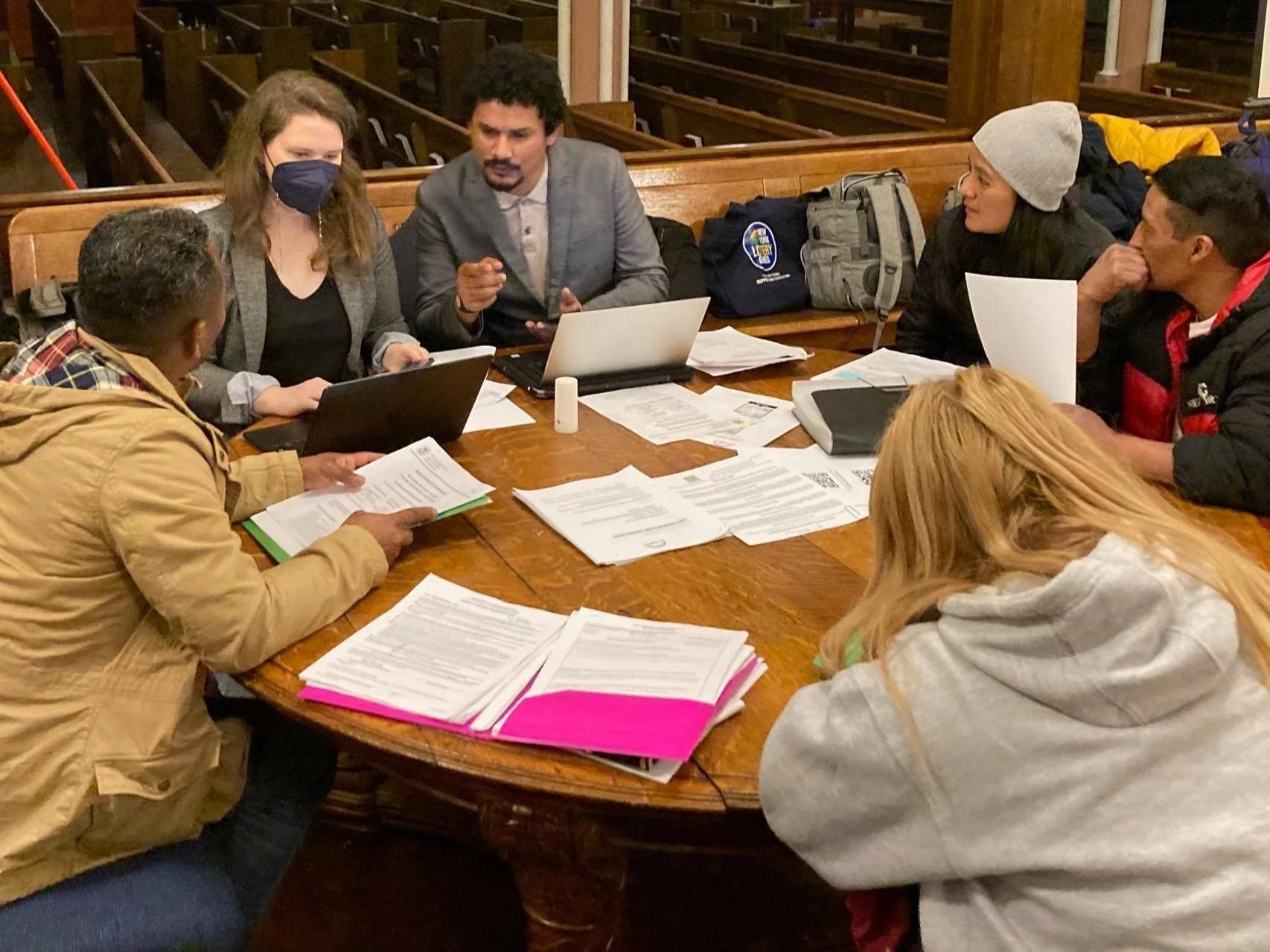
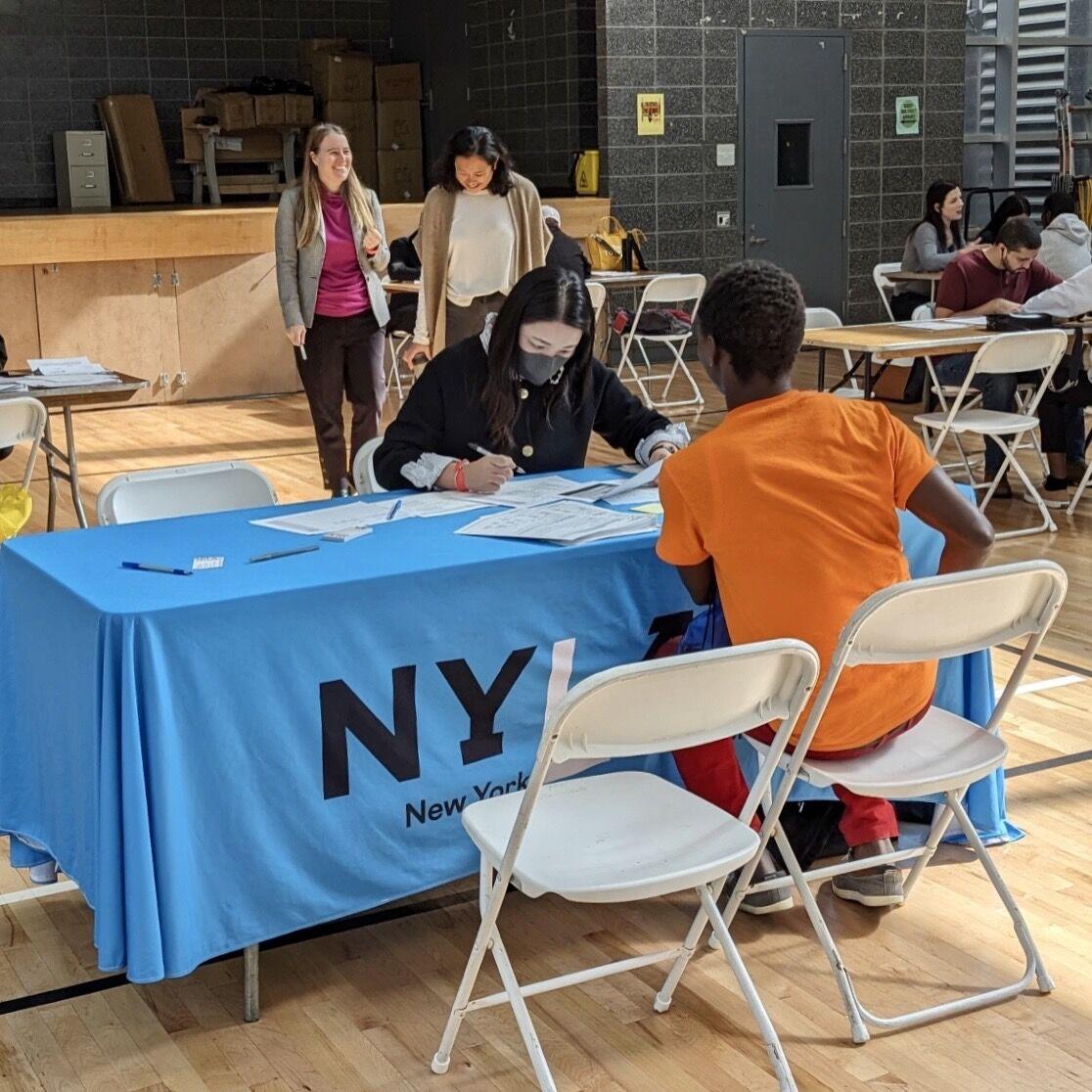
MOIA Legal Support Centers offer free legal screenings and, for eligible NYC residents, legal help with certain immigration matters. Eligibility for these particular centers generally includes NYC residency and household income below 200% of the federal poverty level.
Free services may not be available to everyone, and contacting a program does not necessarily guarantee that an organization can take the case.
Be Careful About Immigration Fraud
Immigration paperwork often involves important personal information, filing deadlines, and government fees. That makes immigrants particularly vulnerable to people who promise guaranteed results or claim they can obtain a status that the law does not provide.
NYC advises immigrants to seek legal immigration advice only from a licensed attorney or a DOJ-accredited representative.
Be cautious if someone:
- Guarantees a visa, green card, or citizenship
- Asks you to sign forms you do not understand
- Tells you to provide false information to immigration authorities
- Claims to have special influence with immigration officials
- Requests large payments without explaining the services being provided
A legitimate legal professional should be able to explain what they are doing and why.
Immigration Policies Can Change
One of the difficult parts of immigration in NYC is that federal policies can change quickly.
For example, NYC’s MOIA is currently tracking changes involving public-charge rules, TPS, work authorization, and other federal immigration policies. MOIA notes that new federal public-charge rules are scheduled to take effect September 18, 2026, although that date could change if litigation delays or blocks the rules.
That is why information from an old article, social media post, or friend may no longer accurately describe someone’s situation. Before filing an application or making a major decision, it is worth checking current government information or speaking with a qualified immigration professional.
4 FAQs About Immigration in NYC
1. Can immigrants get free legal help in NYC?
Yes. NYC provides free and confidential immigration legal assistance through MOIA-supported programs and nonprofit organizations. Eligibility can depend on factors such as residency and income.
2. Does NYC control federal immigration status?
No. Immigration status is primarily governed by federal law. NYC can provide local services, resources, and certain protections, but it does not issue federal immigration benefits.
3. What should I do if I receive immigration court papers?
Do not ignore them. Carefully review the paperwork and deadlines and seek qualified immigration legal assistance as soon as possible. NYC provides resources explaining immigration court procedures and how to find legal representation.
4. Who can provide immigration legal advice?
A licensed immigration attorney or a DOJ-accredited representative can provide authorized immigration legal assistance. NYC specifically advises immigrants to avoid relying on unqualified people for immigration legal advice.
Final Thoughts
Immigration in NYC involves more than filling out forms. Depending on your circumstances, your case could involve USCIS, an immigration court, a consulate, ICE, or several of these agencies. The right legal option depends on your individual history, family relationships, immigration status, prior applications, and other facts.
If you are unsure what applies to you, getting a proper legal screening can be a useful first step. NYC residents can contact the MOIA Immigration Legal Support Hotline at 800-354-0365 or call 311 and say “Immigration Legal” to learn about available city-funded resources.