Can AI-Generated Evidence Be Used in New York Courts?
Artificial intelligence has made it surprisingly easy to create realistic images, videos, audio recordings, documents, and other digital material. That creates a new problem for courts: Can AI-generated evidence be used in New York courts? The short answer is that AI involvement does not automatically make evidence admissible or inadmissible. The bigger questions are whether the evidence is relevant, whether it can be properly authenticated, whether it is reliable, and whether other rules of evidence allow it to be considered.
This issue has become especially important as deepfake technology makes manipulated videos and audio increasingly difficult to identify.
New York Courts Focus on Authentication
New York does not have one special rule saying that “AI evidence is allowed” or “AI evidence is banned.”
Instead, courts generally work within existing evidence principles. The New York Courts’ Guide to New York Evidence includes rules covering authentication and identification, photographs, video recordings, hearsay, and other evidentiary issues.
Authentication basically means showing that the evidence is what the person offering it says it is.
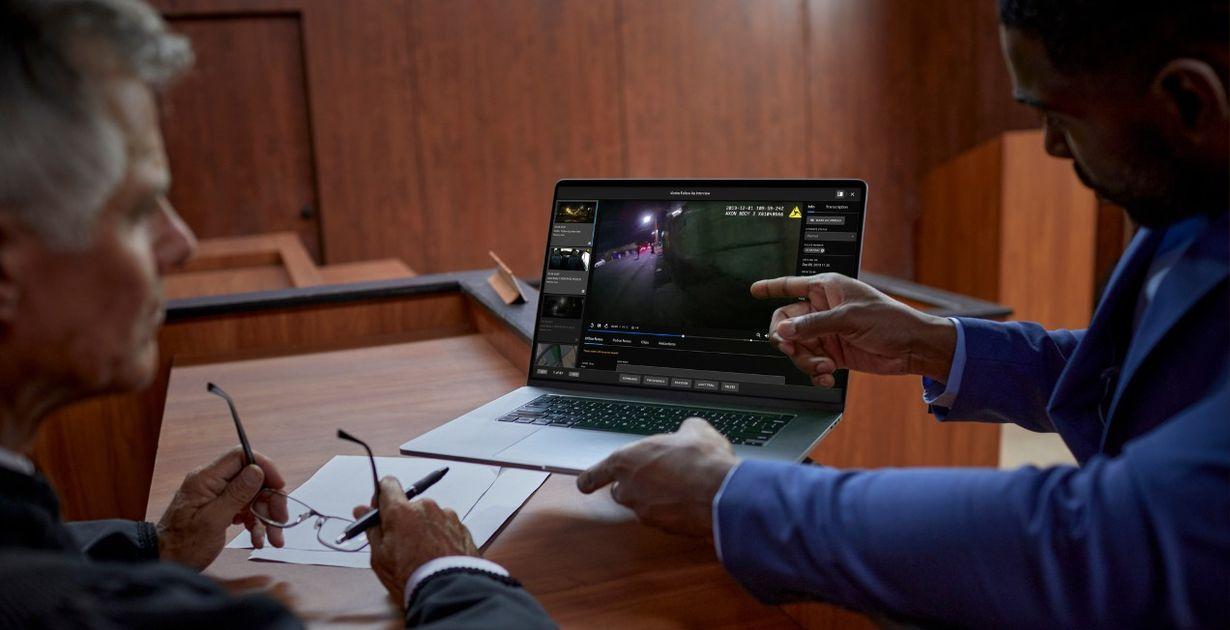
For example, imagine someone submits a video claiming it shows an event that happened outside a New York business. The court may want to know where the video came from, who recorded it, whether the file was altered, and whether the footage actually represents what happened.
With AI-generated or AI-enhanced material, those questions can become much more difficult.
A Major New York Case Involving Deepfake Concerns
In 2026, the New York Court of Appeals addressed video authentication in Matter of M.S. (M.H.).
The case involved videos offered as evidence in a Family Court proceeding. The majority concluded that the evidence offered to authenticate the videos was legally insufficient. The court specifically discussed the increasing prevalence of deepfake videos and explained that simply showing that a video contains recognizable real-world details may not establish that the events shown actually happened as claimed.
This is an important development because it shows that courts are thinking about authentication differently in a world where realistic digital manipulation is much easier.
The decision does not mean that every video suspected of being AI-generated is automatically excluded.
Instead, it highlights how important a reliable foundation can be when authenticity is challenged.
What Does a Court Look At?
When AI-generated or AI-assisted material is offered as evidence, several questions may become important.
Where Did It Come From?
A party may need to explain where the file originated.
Was it taken directly from a phone? Downloaded from a security camera? Exported from a software platform? Sent through a messaging application?
Knowing the source can help establish a chain of authenticity.
Has the Evidence Been Altered?
This can be particularly important with photographs, videos and audio.
A file may have been edited for completely innocent reasons, such as trimming the beginning of a recording. But an opposing party may argue that the editing changed something important.
If generative AI was used to add, remove, replace, or alter material, the court may have even greater reason to examine how the evidence was created.
Who Can Authenticate It?
New York law does not necessarily require the person who originally created a piece of evidence to be the only person who can authenticate it.
New York’s Court of Appeals has recognized that someone with the requisite knowledge of the facts can provide authentication, and authentication can sometimes be established through circumstantial evidence.
Depending on the circumstances, testimony from a witness, technician, system operator, records custodian, or qualified expert may become relevant.
What If Someone Says, “That’s an AI Deepfake”?
Simply making the accusation does not necessarily settle the issue.
But the 2026 Court of Appeals decision shows why a serious authenticity dispute can become complicated.
The majority in Matter of M.S. emphasized that the proponent needs a legally sufficient foundation for the evidence. The decision also discussed how deepfake technology can make some traditional circumstantial approaches to authentication more questionable.
Interestingly, the dissent expressed a different concern. It argued that requiring expert evidence whenever someone simply claims that a video could be a deepfake could create unnecessarily difficult barriers to authenticating ordinary evidence.
That disagreement is worth paying attention to because it shows that courts are still working through how traditional evidence principles should operate when AI manipulation becomes easier.
AI-Generated Evidence Is Different From AI-Assisted Evidence
There is an important distinction here.
Suppose an attorney uses AI to help organize information but the actual evidence comes from original business records. That’s different from submitting a completely AI-generated video as proof that an event occurred.
AI might also be used to enhance an existing photograph or improve the quality of an audio recording.
The court may therefore need to know exactly what the AI did rather than simply asking whether “AI was involved.”
That distinction can affect questions about authenticity and reliability.
What About AI-Generated Documents?
Documents create another set of questions.
New York’s Unified Court System has adopted rules addressing attorneys’ and parties’ use of AI when preparing papers submitted to courts. The rules recognize that AI tools can generate fabricated information or fictitious legal citations and require users to comply with their existing legal responsibilities.
Importantly, New York’s AI rules distinguish ordinary court papers from materials that are offered as evidence. The court system’s rules state that evidence and the use of AI in relation to evidence are subject to separate considerations and requirements.
So, using AI to help draft a court filing isn’t the same legal question as submitting an AI-generated photograph as evidence.
Courts May Need More Technical Evidence
AI can create evidence that looks real without actually being real.
That means attorneys may increasingly need to examine:
- Original files
- Metadata
- Device information
- File creation history
- Editing history
- Chain of custody
- Recording equipment
- Software used to process the file
- Expert analysis
- Other independent evidence confirming what occurred
The more seriously authenticity is disputed, the more important this underlying information can become.
New York’s own AI and Courts Annual Report has recognized fabricated AI-generated evidence as an emerging issue and notes that generative AI has made sophisticated fake evidence easier and cheaper to produce.
Can AI Evidence Be Used in a New York Court?
Potentially, yes.
But the important point is that being AI-generated does not automatically answer the admissibility question.
A judge may consider whether the evidence is properly authenticated and whether other evidentiary requirements are satisfied. If someone challenges the material as manipulated, the party offering it may need to provide a stronger foundation showing that it is what they claim it to be.
This is especially important with deepfake videos, fabricated audio, altered photographs, and AI-generated documents that are presented as if they were genuine records.
Frequently Asked Questions
1. Is AI-generated evidence automatically illegal in New York courts?
No. AI involvement alone does not automatically make evidence illegal or inadmissible. The evidence still needs to satisfy applicable evidentiary requirements, including authentication where required.
2. Can a deepfake video be used as evidence?
A purported deepfake may face serious authentication problems. In Matter of M.S. (M.H.), the New York Court of Appeals found the authentication foundation for certain videos legally insufficient and discussed the challenges created by increasingly sophisticated deepfakes.
3. Can an attorney use AI when preparing court documents in New York?
New York’s Unified Court System permits AI use in preparing court papers, subject to the existing duties and responsibilities of attorneys and parties. Users remain responsible for ensuring that submissions do not contain fabricated or fictitious material.
4. What should I do if I believe evidence in my case is AI-generated?
Tell your attorney as soon as possible and preserve the original material if you have access to it. Avoid editing, compressing, deleting, or repeatedly resaving the file because the original version and related technical information may become important when authenticity is disputed.
Final Thoughts
AI is changing what evidence can look like, but it has not eliminated the basic need for courts to determine whether evidence is genuine and reliable.
For New York cases, the biggest issue may not simply be “Was AI used?” Instead, the more useful questions are what was changed, where did the evidence come from, who can authenticate it, and can the claimed events be independently verified?
The 2026 New York Court of Appeals decision involving deepfake concerns shows that authentication is becoming a particularly important issue as digital manipulation becomes more sophisticated.
If AI-generated or allegedly manipulated evidence could affect an actual New York court case, the specific facts matter considerably. An attorney can help determine what authentication, expert analysis, or other evidence may be necessary.