
DWI in NYC: Laws, Rights and Legal Options
Getting arrested for DWI in New York City can be overwhelming. There may be questions about your driver’s license, the breath or blood test, the next court date, and what the charge could mean for your job or daily life. Understanding the basics of DWI in NYC can help you know what to expect and what questions to discuss with a lawyer.
New York treats impaired driving seriously, and a DWI case can involve both criminal court and separate Department of Motor Vehicles consequences. The exact situation depends on the charge, BAC level, prior convictions, evidence collected during the stop, and other circumstances.
What Counts as DWI in New York?
New York law recognizes several alcohol- and drug-related driving offenses. A BAC of .08% or higher is evidence of intoxication under the state’s DWI law. A BAC above .05% but below .08% can support a DWAI charge, while .18% or higher is treated as aggravated DWI. Drug-impaired and combined alcohol-and-drug offenses are also covered under New York’s Vehicle and Traffic Law.
A chemical test is not necessarily the only evidence prosecutors can use. New York’s DMV explains that testimony about driving behavior, appearance, and interaction with police can also be used to establish impairment or intoxication.
What Happens After a DWI Arrest?
A DWI case can begin with a traffic stop, field sobriety testing, a chemical test, an arrest, and eventually a court appearance. At arraignment, the defendant is informed of the charges and legal rights. A defendant has the right to an attorney, and a person who cannot afford a lawyer may qualify for appointed counsel. The court may also address release conditions or bail and the next stage of the case.
In New York City, Criminal Court handles misdemeanor cases and other criminal matters, while felony cases can proceed through the appropriate felony process.
Missing a required court appearance can create additional legal problems, so anyone facing a DWI charge should pay close attention to the date and location listed on their court paperwork.
What Happens to Your Driver’s License?
A DWI case can affect your driving privileges separately from the criminal case.
For a first DWI conviction, New York DMV materials list a minimum six-month license revocation. A first aggravated DWI conviction also carries a minimum one-year revocation. Repeat offenses can result in longer revocation periods and substantially higher penalties.
There can also be a suspension while the criminal case is pending in certain circumstances. New York Courts explains that courts can issue suspension-pending-prosecution orders for qualifying DWI or drug-impaired driving charges.
This is one reason it is important not to look only at the criminal charge. Your driving privileges can be an important part of the case as well.
What If You Refused a Breath or Chemical Test?
Refusing a chemical test does not necessarily make the legal problem disappear. New York’s implied-consent law and DMV procedures can create separate consequences for refusing a chemical test.
New York Courts states that refusing a chemical test can result in license revocation and a civil penalty. Recent New York decisions have also examined whether police gave the required refusal warnings and whether the evidence supported the DMV’s finding of a refusal.
The circumstances matter. For example, a 2026 New York case examined whether the officer gave sufficient warnings and whether the driver’s conduct amounted to a refusal.
If you refused a test, it is worth discussing exactly what happened with a DWI attorney rather than assuming the refusal automatically determines the entire case.
What Rights Do You Have During a DWI Case?
A person accused of DWI still has legal rights. At arraignment, the court advises the defendant of the charges and the right to counsel. If the defendant qualifies and cannot afford an attorney, the court can appoint one.
The details surrounding the traffic stop and arrest can also become important. Questions may include why the vehicle was stopped, what the officer observed, how field sobriety tests were conducted, what statements were made, and how chemical-test evidence was obtained.
A lawyer may review whether evidence should be challenged through motions. Recent New York DWI litigation has involved questions about probable cause, chemical testing, refusal warnings, Miranda protections, and suppression of evidence.
What Are the Potential Penalties?
The consequences depend heavily on the specific offense and the driver’s history.
For a first DWI conviction involving a BAC of .08 or higher, New York DMV materials list a fine of $500 to $1,000, possible imprisonment of up to one year, and a minimum six-month license revocation. Repeat convictions within specified periods can increase the potential fine, incarceration exposure, and license consequences.
Aggravated DWI, generally associated with a BAC of .18% or higher, carries higher penalties. A first aggravated DWI is listed as a misdemeanor with a $1,000 to $2,500 fine, possible imprisonment of up to one year, and a minimum one-year license revocation.
Courts may also require an ignition interlock device after certain DWI convictions. New York Courts states that an IID is required for vehicles owned or used by a person convicted of DWI or aggravated DWI as a felony or misdemeanor, subject to the applicable court order and requirements.
When Should You Talk to a DWI Lawyer?
It can be useful to speak with a lawyer as early as possible after an arrest, particularly when there are questions about the traffic stop, field sobriety testing, chemical testing, refusal, prior DWI history, or your driver’s license.
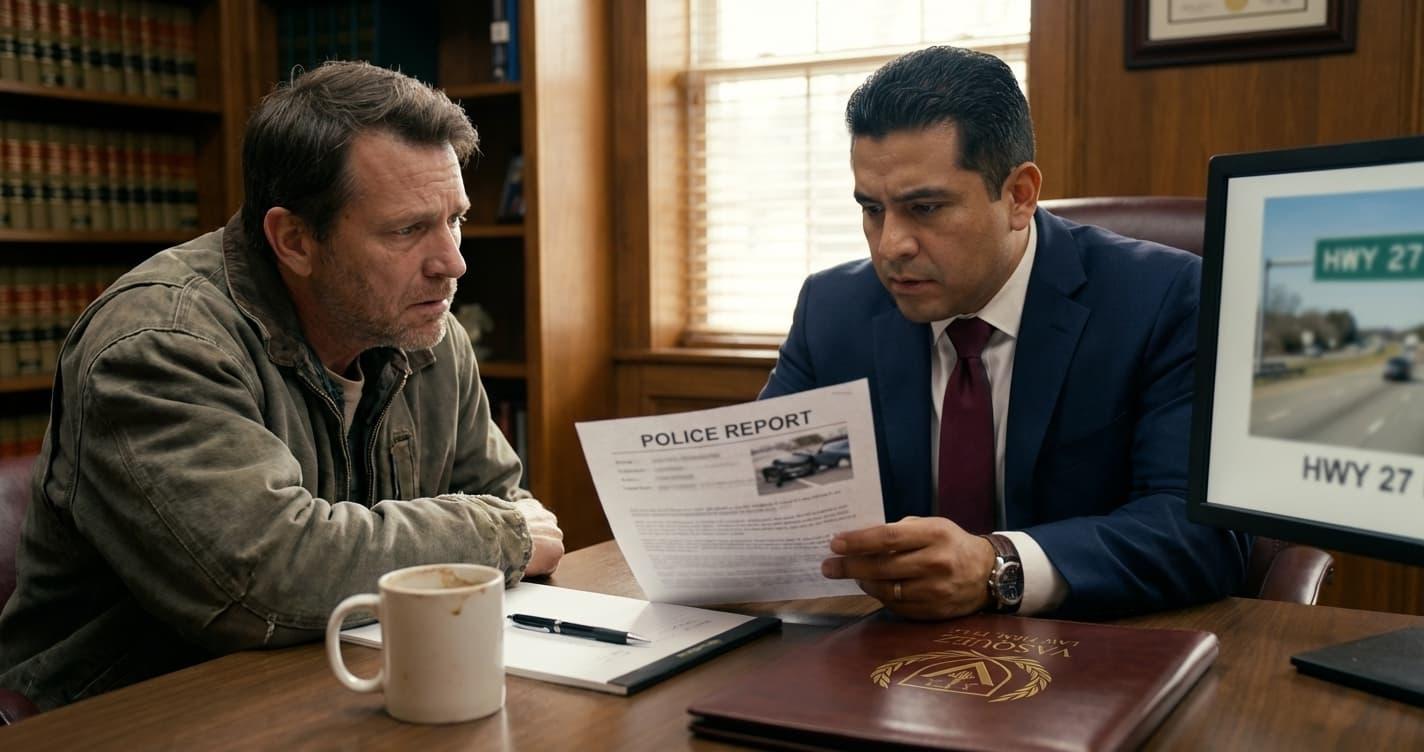
Bring your arrest paperwork, tickets, chemical-test information, court documents, and anything else you were given. Tell the lawyer exactly what happened, including details that may not seem helpful. Small details about timing, statements, testing, and the traffic stop can become relevant when reviewing the case.
A lawyer can explain the charges against you, possible defenses or motions, license issues, and the potential paths the case may take. The appropriate legal strategy depends on the specific facts, so there is no single approach that applies to every DWI case.
4 FAQs About DWI in NYC
1. What is the legal BAC limit for DWI in New York?
For most adult drivers, a BAC of .08% or higher is evidence of intoxication under New York’s DWI law. Different standards apply to some drivers, and lower BAC levels can still lead to impairment-related charges.
2. Can I lose my license after a DWI arrest?
Yes, license consequences can occur through DMV and court processes. In qualifying cases, a driver’s license may be suspended while the criminal prosecution is pending, and a conviction can result in revocation.
3. What happens if I refused a chemical test?
A refusal can lead to separate DMV consequences, including license revocation and a civil penalty. The circumstances surrounding the alleged refusal and the warnings provided can also matter.
4. Do I need a lawyer for a DWI charge in NYC?
You have the right to an attorney in a criminal case, and people who cannot afford one may qualify for appointed counsel. A DWI attorney can review the evidence, explain the possible consequences, and help you understand your legal options.
Final Thoughts
A DWI charge in New York City involves more than a number on a breath test. The traffic stop, police observations, field sobriety testing, chemical testing, license proceedings, court paperwork, and your previous driving history can all matter.
If you are facing a DWI charge, keep track of your court dates and license paperwork and get legal advice based on the specific facts of your case. New York’s DWI laws carry significant consequences, but understanding the process is an important first step toward making informed decisions about your case.



