New York Drug Possession Laws Explained
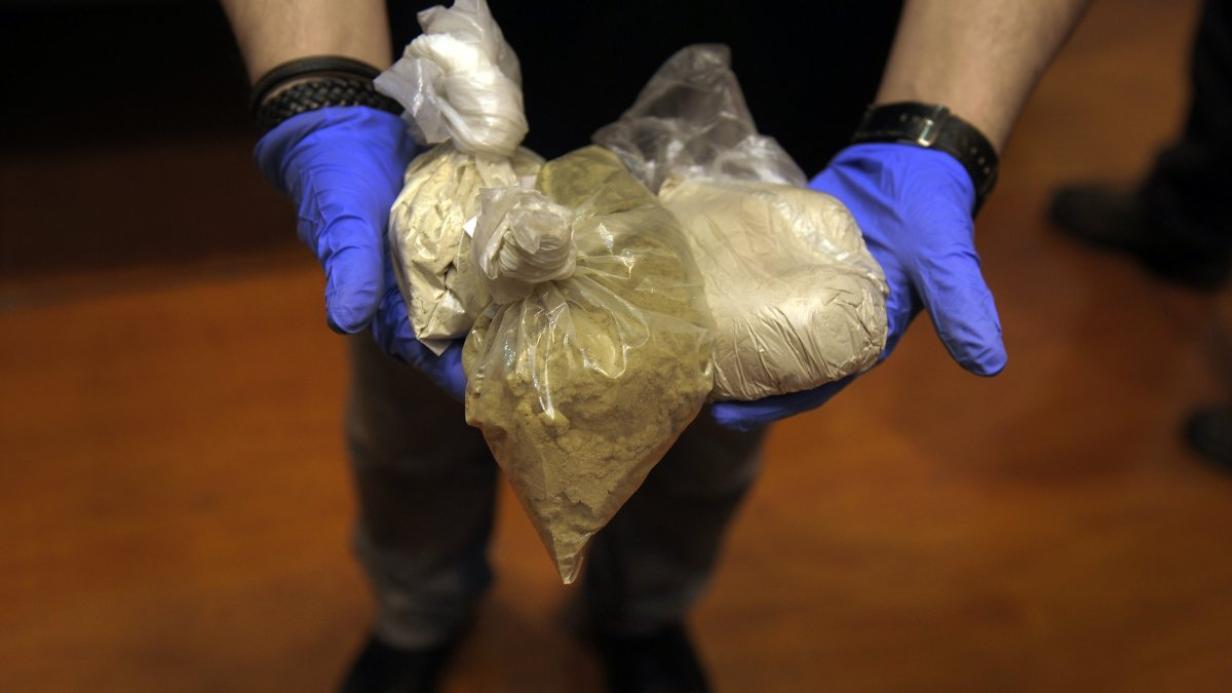
A drug possession charge in New York can be confusing because the consequences depend on what substance is involved, how much was allegedly possessed, whether prosecutors claim there was an intent to sell, and the person’s previous criminal history.
New York also treats cannabis differently from many other controlled substances. Possessing a legal amount of cannabis for personal use is generally permitted for adults, while possession beyond certain limits can still result in criminal charges or other penalties.
If someone is arrested for drug possession, understanding the difference between a simple possession allegation and a more serious controlled-substance charge is important.
What Counts as Drug Possession in New York?
New York Penal Law contains several offenses involving possession of controlled substances.
For example, Criminal Possession of a Controlled Substance in the Seventh Degree is covered by Penal Law § 220.03. More serious possession offenses under Article 220 can depend on the type and quantity of the substance involved.
The law doesn’t treat every drug possession case the same way.
A small amount of one substance can be treated very differently from a larger quantity of another substance.
Is Drug Possession a Felony in New York?
It can be.
New York has different levels of criminal possession offenses. Depending on the substance, amount, and circumstances, possession can range from a lower-level offense to a felony.
New York Courts specifically identifies possessing controlled substances among examples of felony offenses.
This distinction matters because a felony conviction can have consequences far beyond the original criminal sentence.
It may affect employment, housing, professional licensing, immigration status, and other areas of someone’s life.
What About Small Amounts of Drugs?
A common misunderstanding is that possessing a small amount of a drug is automatically legal.
That’s not true for controlled substances generally.
For example, New York’s Penal Law § 220.03 addresses criminal possession of a controlled substance in the seventh degree. More serious offenses can be triggered by specific quantities and types of controlled substances.
The specific substance matters.
So does the amount.
And so does the evidence showing whether the substance actually belonged to the person accused.
Cannabis Is Different
New York changed its cannabis laws substantially.
Adults can legally possess certain amounts of cannabis for personal use, but there are still limits.
New York Courts explains that adults may publicly possess up to three ounces of cannabis or 24 grams of concentrated cannabis without a possession penalty under state law. Possession above those amounts remains unlawful.
New York also has separate cannabis possession offenses under Penal Law Article 222.
So someone shouldn’t assume that because recreational cannabis is legal, every amount or type of cannabis possession is legal.
How Does the Amount Affect the Charge?
Quantity can make a major difference in a controlled-substance case.
New York’s criminal jury instructions list different possession offenses based on specific quantities and substances. For example, Article 220 contains separate offenses involving narcotic drugs, methamphetamine, stimulants, LSD, hallucinogens, ketamine, methadone, and other controlled substances.
This is why saying “I only had a small amount” isn’t enough to determine what charge someone could face.
The substance itself has to be identified.
Possession With Intent to Sell
Possession cases can become more serious when prosecutors allege an intent to sell.
New York has separate criminal offenses involving possession with intent to sell controlled substances.
Police or prosecutors might point to circumstances such as packaging, scales, large quantities, communications, money, or other evidence.
But the presence of one of these items does not automatically prove an intent to sell.
The prosecution still has to establish the required elements of the specific offense.
Actual and Constructive Possession
Drug possession cases aren’t always about someone being caught holding drugs in their hand.
A person can potentially be accused of constructive possession, meaning prosecutors claim the person exercised control over the area or property where the drugs were found.
This can create difficult questions when multiple people share a home, vehicle, bedroom, or other space.
For example, finding drugs inside a shared apartment doesn’t automatically answer the question of who possessed them.
The specific facts matter.
What If the Drugs Were Found in a Car?
A drug discovery during a traffic stop can create complicated legal questions.
The defense may need to examine:
- Why the vehicle was stopped
- Where the substance was found
- Who had access to that area
- Whether police had legal grounds to search
- Whether consent was given
- Whether a warrant was involved
- How the evidence was collected
- Whether the substance was properly identified
Simply being inside a vehicle where drugs are discovered doesn’t automatically establish personal possession.
Can Police Search Your Home?
Search-and-seizure rules are an important part of many drug cases.
Depending on the circumstances, police may need a warrant or another legally recognized basis to search a home, vehicle, person, or other location.
If evidence was obtained through an unlawful search or seizure, a defense attorney may be able to challenge its use in court.
That doesn’t mean every questionable search results in dismissal. The specific circumstances and applicable constitutional rules have to be examined.
What Happens After a Drug Possession Arrest?
The process can vary, but a criminal case may involve:
- Arrest or criminal summons
- Arraignment
- Bail or release determination, when applicable
- Discovery
- Pretrial motions
- Plea negotiations
- Hearings
- Trial, if necessary
- Sentencing after conviction
The seriousness of the case can affect how the process unfolds.
If the charge is a felony, the case can involve significantly more serious consequences than a lower-level offense.
Can a Drug Possession Charge Be Dismissed?
It is possible for a criminal case to end in dismissal, but there is no automatic rule that a possession charge will be dismissed.
A defense attorney may investigate whether:
- The search was legal
- Police had probable cause
- The substance actually belonged to the defendant
- The substance was properly identified
- The prosecution can prove possession
- Required procedures were followed
- The evidence is reliable
- There are constitutional issues
Sometimes the strongest defense isn’t simply arguing about the drug itself. It may involve how police discovered it or whether the prosecution can connect it to the accused person.
Can a Drug Conviction Affect Immigration Status?
Yes.
This is especially important for non-U.S. citizens.
A drug-related conviction can create serious immigration consequences depending on the substance, conviction, sentence, and person’s immigration status.
A plea that seems like a relatively minor outcome in criminal court can sometimes create a much bigger immigration problem.
If you are not a U.S. citizen, tell your criminal defense attorney about your immigration status before accepting a plea agreement. In some situations, consultation with an immigration attorney may also be appropriate.
What About Previous Drug Convictions?
A person’s criminal history can matter.
A prior conviction can potentially affect charging decisions, sentencing, plea negotiations, and the consequences of a new case.
That’s why an attorney will usually want to know about previous arrests and convictions rather than looking only at the current allegation.
Being honest with your lawyer about your history is important.
What Should You Do After a Drug Possession Arrest?
If you or someone close to you has been arrested for drug possession, avoid making the situation worse by guessing about what to do next.
Keep all paperwork from the arrest.
Write down important dates while they are still fresh.
Don’t discuss the case publicly or post details on social media.
Most importantly, speak with a criminal defense attorney before making major decisions about the case.
If you are a noncitizen, mention your immigration status immediately.
Frequently Asked Questions
1. Is drug possession a felony in New York?
It can be. New York has several levels of controlled-substance possession offenses, and some are felonies. The charge depends on factors including the substance and quantity involved.
2. Is marijuana possession legal in New York?
Adults may legally possess certain amounts of cannabis. New York Courts states that public possession of up to three ounces of cannabis or 24 grams of concentrated cannabis is not subject to a possession penalty under state law. Larger amounts can still be unlawful.
3. Can police charge me with possession if the drugs weren’t physically on me?
Potentially. A possession case can involve allegations that a person exercised control over drugs found in a home, vehicle, or other location. The facts and evidence determine whether the prosecution can establish the required elements.
4. Can a drug possession charge be dismissed?
It can happen, depending on the facts and legal issues involved. A defense attorney may investigate the search, seizure, evidence, identification of the substance, and whether prosecutors can prove possession.
5. Should I hire a lawyer for a drug possession charge?
It is generally wise to get legal advice quickly, particularly if the charge is a felony, drugs were allegedly found during a search, you have prior convictions, or you are not a U.S. citizen.
Final Thoughts
New York drug possession law isn’t simply about whether someone had drugs or didn’t have drugs.
The type of substance, amount, location, circumstances of the search, prior criminal history, and evidence connecting the substance to the accused person can all make a difference.
Cannabis also has its own rules under New York law, and legal possession has limits.
If you’re facing a drug possession charge, don’t assume the charge automatically means you’ll be convicted. A qualified New York criminal defense attorney can review how the evidence was obtained and explain the options available in your particular situation.