Rochester Eviction Laws: What Tenants and Landlords Should Know
Getting an eviction notice can make an already stressful housing situation feel even more uncertain. Maybe the rent is behind, a lease has ended, or there is a disagreement between a tenant and landlord that has been building for months. Understanding Rochester eviction laws can help both sides know what the process actually looks like and what steps may come next.
New York eviction cases are generally handled through court proceedings. A landlord cannot simply lock a tenant out or remove their belongings because they want the tenant gone. In most situations, the landlord must follow the required notice and court process before an eviction can legally take place.
When Can a Rochester Landlord Start an Eviction?
The reason for the eviction matters.
One common situation is nonpayment of rent. If a tenant owes rent, the landlord may begin a nonpayment proceeding after following the required notice process. New York Courts explains that, outside New York City, a landlord generally must provide a written notice before starting the appropriate court case, and different requirements can apply depending on the circumstances.
Another situation is called a holdover. This can involve a tenant remaining in the property after a tenancy has ended or allegedly violating the terms of a lease.
The notice requirements can be different depending on why the landlord wants possession. For example, certain lease violations may require a Notice to Cure before a Notice of Termination can be used. New York Courts explains that the proper notice must be used and delivered correctly.
That is why receiving a letter from a landlord does not necessarily mean an eviction has already happened.
A Notice Is Not the Same as an Eviction
This distinction can be easy to miss.
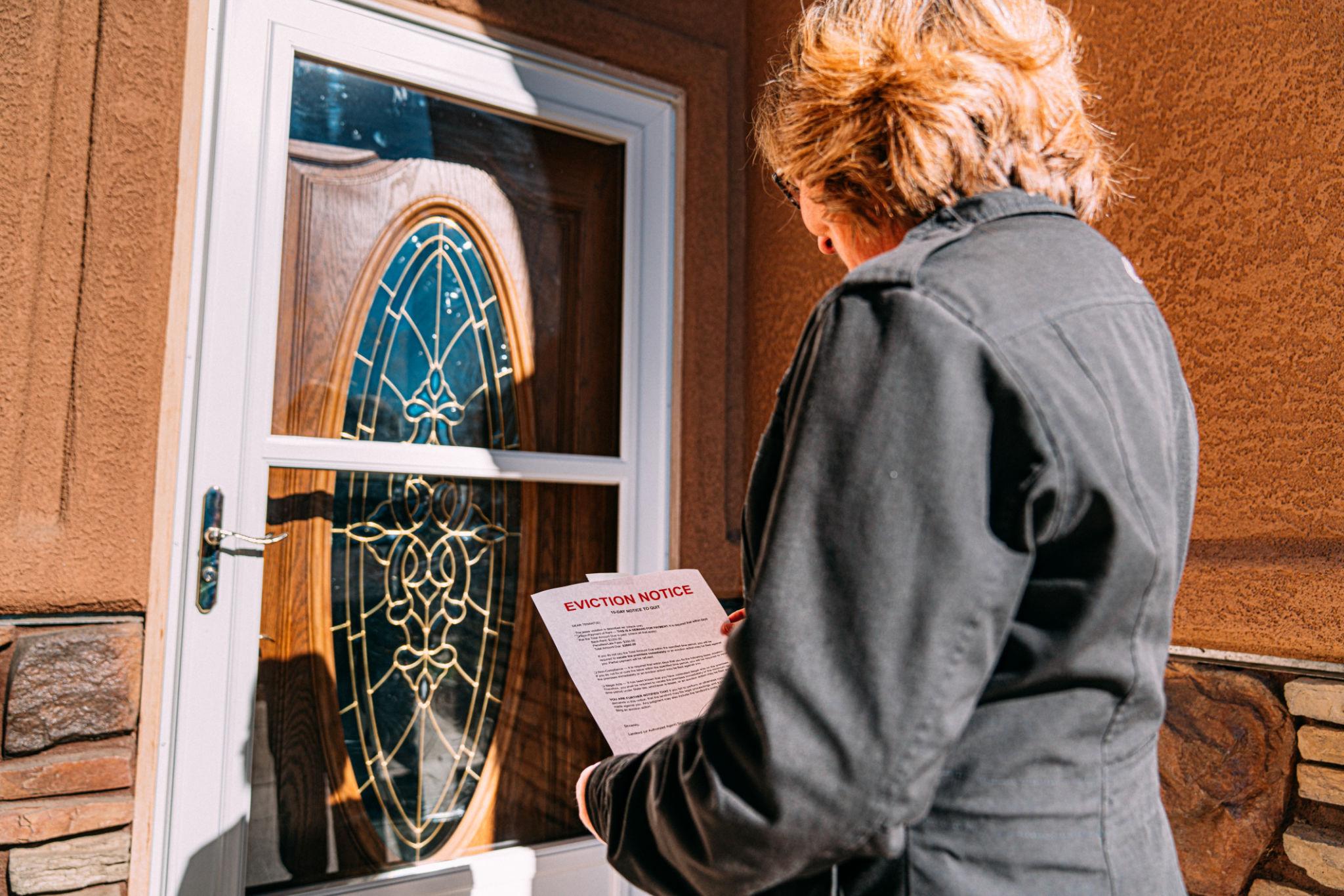
A tenant might receive a rent demand, termination notice, or court papers. Those documents can be part of the process, but they are not automatically the same thing as a final eviction notice.
If a landlord wants to remove a tenant through a court case, the tenant may receive a Notice of Petition and Petition and will have an opportunity to appear in court. Missing that court date can be a serious problem because a landlord may be able to obtain a default judgment.
For tenants, one of the worst things to do after receiving legal papers is simply put them aside and hope the situation disappears.
What Happens in a Rochester Eviction Case?
If the case goes forward, the landlord must establish the legal basis for the eviction. The tenant has an opportunity to respond and raise defenses or other issues.
The parties may reach a settlement, or the case may proceed to trial. If the landlord does not prove the case, it can be dismissed. If the landlord does prove the case, the court may issue a judgment allowing the eviction process to continue.
In Rochester, landlord-tenant matters can be handled through Rochester City Court, which is part of New York’s Seventh Judicial District.
The exact process can depend on whether the case involves unpaid rent, a lease violation, an expired tenancy, or another legal ground.
Can a Landlord Change the Locks?
Generally, a landlord cannot simply decide to lock a tenant out.
New York Courts explains that when someone has lived in a home for at least 30 days, the landlord generally cannot change the locks and force that person out without going through the court process. An unlawful lockout can have legal consequences.
Only the appropriate officer, such as a sheriff, marshal, or constable, can carry out a lawful eviction after the required court process and warrant.
This is important for tenants who suddenly find themselves unable to enter their apartment. A lockout is not automatically a lawful eviction simply because the landlord says the tenant should have moved.
What Happens After a Landlord Wins?
Winning an eviction case does not necessarily mean the tenant is removed that same day.
After a judgment, the required warrant and eviction procedures must be followed. A Notice of Eviction is then served before the physical eviction occurs. New York Courts states that a standard Notice of Eviction gives the tenant at least 14 days before the eviction can take place, and the eviction must occur on a business day during daylight hours.
This is one reason tenants should pay close attention to every document they receive. The dates on those documents can matter.
What Can Tenants Do If They Receive Eviction Papers?
Do not ignore them.
A tenant should read the papers carefully, note the court date, and gather documents that may support their position. Rent receipts, bank records, communications with the landlord, the lease, photographs, repair requests, and previous notices may all become relevant depending on the case.
If a tenant missed a court date and a default judgment was entered, there may still be procedures for asking the court to vacate the judgment. New York Courts provides information about using an Order to Show Cause in certain situations.
If an eviction is already scheduled, the situation becomes particularly urgent. A tenant may need to go to court quickly to ask whether the eviction can be stopped or delayed.
What Should Rochester Landlords Keep in Mind?
Landlords also need to follow the rules carefully.
Using the wrong notice, calculating a deadline incorrectly, failing to serve papers properly, or attempting a self-help eviction can create additional legal problems and potentially interfere with an otherwise valid case.
For example, New York Courts explains that different holdover situations can require different notices and that the notice must be properly delivered.
Keeping good records can also make a difference. Lease documents, payment records, written communications, maintenance records, and copies of notices can help establish what actually happened if the matter reaches court.
4 FAQs About Rochester Eviction Laws
1. Can a landlord in Rochester evict a tenant without going to court?
Generally, no. A landlord cannot simply lock out a tenant who has legally occupied the home for at least 30 days. The landlord generally must follow the required legal process and obtain the appropriate court judgment and warrant.
2. How much notice does a Rochester tenant receive before eviction?
The amount and type of notice depend on the reason for the case and the type of tenancy. Different requirements can apply to nonpayment cases and holdover cases, so tenants should not assume that every eviction starts with the same notice period.
3. What happens if a tenant misses an eviction court date?
A landlord may be able to obtain a default judgment if the tenant does not appear. Depending on the circumstances, the tenant may be able to ask the court to vacate the default and allow the case to be heard.
4. Can a Rochester tenant stop an eviction?
Depending on the circumstances, a tenant may be able to ask the court to stay or stop an eviction. The sooner the tenant responds to court papers or an eviction notice, the more opportunity there may be to address the situation.
Final Thoughts
Rochester eviction cases can move through several steps, and the details matter. A notice from a landlord, a court petition, a judgment, and a final Notice of Eviction are not all the same thing.
For tenants, responding quickly to legal papers and keeping records can be important. For landlords, following the correct notice and court procedures can prevent avoidable problems. If the situation involves a disputed lease, unpaid rent, an alleged violation, or an imminent eviction, getting advice from a qualified New York housing attorney can help clarify the options before the situation becomes harder to resolve.