Rochester Personal Injury Laws and Accident Claims
An accident can change an ordinary week very quickly. One moment you are driving through Rochester, heading to work, or walking into a local business, and the next you are dealing with medical appointments, missed work, insurance calls, and questions about who is responsible. Understanding Rochester Personal Injury Laws and Accident Claims can help you recognize what options may be available when another person’s negligence causes you harm.
Personal injury cases can involve many different situations, including car and truck crashes, pedestrian accidents, slip and falls, construction incidents, defective products, and other accidents. The legal issues can be different depending on how the injury happened, who may be responsible, and what losses resulted from the accident.
How Does a Personal Injury Claim Work in New York?
A personal injury claim generally involves showing that another party was legally responsible for causing your injury. Depending on the circumstances, that could mean proving negligence, such as failing to drive safely, maintain a property, follow safety requirements, or take reasonable precautions.
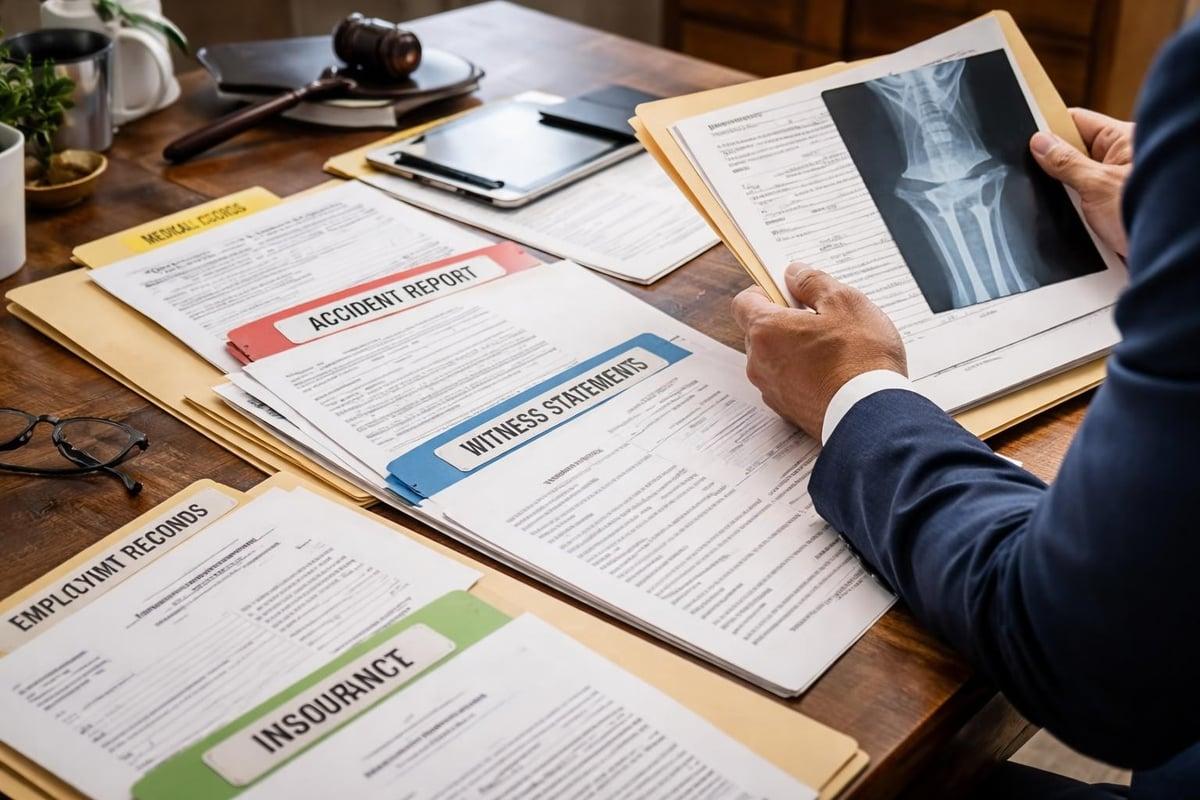
The evidence can matter a great deal. Medical records, photographs, accident reports, witness information, employment records, and other documentation may help establish what happened and how the injury affected your life.
It is also important to remember that being partly responsible does not necessarily prevent recovery in New York. Under CPLR 1411, damages in most personal injury actions are reduced in proportion to the claimant’s share of culpable conduct.
That means an accident victim should not automatically assume that having some responsibility ends the possibility of a claim.
What Compensation May Be Available?
The losses following an accident are not always limited to the first medical bill.
Depending on the case, a claim may involve compensation for medical treatment, rehabilitation expenses, lost income, reduced future earning ability, property damage, and pain and suffering. The specific damages available depend on the facts and the type of claim.
For example, someone who suffers a serious back injury may face months of physical therapy and time away from work. Another person might have a fracture that requires surgery and creates limitations that continue long after the accident.
That is why looking only at the immediate expenses can give an incomplete picture of the impact an injury has had.
New York’s Three-Year Personal Injury Deadline
One of the most important issues after an accident is timing.
New York Courts generally lists three years from the date of the accident for ordinary personal injury claims and car accident claims. A case filed after the applicable statute of limitations expires can be dismissed as time-barred.
Three years may sound like plenty of time, but waiting can create practical problems. Evidence can disappear, vehicles may be repaired, surveillance footage may no longer exist, and witnesses may become difficult to locate.
There are also situations with different deadlines. Claims involving government entities can have special notice requirements, and some types of injuries or legal claims have different limitation periods. New York Courts notes that claims against government agencies can involve a 90-day notice-of-claim requirement.
So it is better to have the deadline evaluated early rather than assume the ordinary three-year period applies.
What If the Accident Was a Car Crash?
Motor vehicle accidents have additional rules because New York follows a no-fault insurance system.
Basic no-fault benefits are designed to cover certain accident-related economic losses regardless of who caused the crash. New York’s Department of Financial Services states that basic no-fault coverage can provide up to $50,000 per person for covered economic losses, including medical expenses and certain lost earnings.
But no-fault does not mean you can automatically sue another driver for every type of injury. New York law generally requires an injured person to meet the applicable serious-injury threshold to pursue non-economic damages against another driver.
There is also an important practical deadline: a no-fault claim generally must be reported within 30 days of the accident unless a legally sufficient justification for late notice exists.
Because automobile claims can involve no-fault benefits, liability insurance, serious-injury requirements, and potentially uninsured or underinsured coverage, they can become complicated quickly.
What Should You Do After an Accident?
If you are physically able to do so, documenting the situation early can make a difference.
Keep copies of medical records and bills. Save photographs of the accident scene and your injuries. Keep information about witnesses and insurance companies. If you miss work, maintain records showing the time you were unable to work and any resulting income loss.
It is also important to follow medical advice. A gap in treatment can sometimes become an issue when an insurance company argues that an injury was not as serious as claimed.
You should also be careful about giving statements or signing documents you do not fully understand. An insurance adjuster’s job is to investigate and resolve the claim, but that does not necessarily mean the first settlement offer represents the full value of your losses.
When Should You Talk to a Rochester Personal Injury Lawyer?
You do not necessarily need an attorney for every minor accident. However, getting legal advice can be particularly important when injuries are serious, fault is disputed, multiple parties are involved, an insurance company denies the claim, or your ability to work has been affected.
A lawyer can review the facts, identify possible claims, examine available evidence, and explain the deadlines that apply to your situation.
This can be especially helpful when the person responsible is a business, property owner, municipality, employer, or another organization rather than simply another individual.
4 FAQs About Rochester Personal Injury Claims
1. How long do I have to file a personal injury claim in Rochester?
For many ordinary personal injury claims in New York, the general deadline is three years from the date of the injury. However, exceptions and different deadlines can apply depending on the defendant and type of claim.
2. Can I still recover money if I was partly at fault?
Generally, yes. New York’s comparative-fault law can reduce the damages according to the claimant’s share of culpable conduct rather than automatically eliminating the claim. Different rules can apply to certain motor vehicle cases.
3. What evidence can help with a personal injury claim?
Medical records, photographs, accident reports, witness information, employment records, repair records, video footage, and other documentation can help establish what happened and the effect of the injury.
4. Should I speak with a lawyer after an accident?
It can be worthwhile, particularly if you suffered a significant injury, expect substantial medical treatment or lost income, believe another party was responsible, or are having difficulty with an insurance company. An attorney can explain which deadlines and legal requirements apply to your particular situation.
Final Thoughts
After an accident, it is easy to focus entirely on getting through the next appointment or figuring out how to pay the next bill. The legal side can feel like something that can wait.
But personal injury claims have deadlines, evidence can disappear, and insurance issues can become more complicated than they initially appear. If you were injured in Rochester or elsewhere in Monroe County, understanding your rights early can help you make more informed decisions about what to do next.