Amsterdam Nursing Home NY Abuse and Neglect: Signs Families Should Know
When a loved one moves into a nursing home, families naturally want to believe they are safe, comfortable, and receiving the care they need. But sometimes a family member starts noticing little changes—a new bruise, unexplained weight loss, poor hygiene, a sudden fear of a particular caregiver, or a personality change. One sign by itself may not prove abuse or neglect, but several changes together deserve attention.
Amsterdam Nursing Home is a skilled nursing facility at 1060 Amsterdam Avenue in New York, NY. Its official website describes rehabilitation services, nursing care, activities, and individualized care.
Importantly, noticing a warning sign does not automatically mean Amsterdam Nursing Home or a particular employee has committed abuse or neglect. Families should look at the specific circumstances, document concerns, and use the appropriate reporting channels when something seems wrong.
Amsterdam Nursing Home
What Counts as Nursing Home Abuse or Neglect?
Abuse can take different forms. New York State says nursing home residents have the right to be free from physical, sexual, mental, and verbal abuse, as well as financial exploitation and inappropriate restraints. Residents also have the right to dignity, respect, privacy, and quality care.
Neglect is different from intentional abuse but can still cause serious harm. It may involve failing to provide appropriate assistance, supervision, nutrition, hydration, medication management, hygiene, or treatment.
New York’s nursing home inspection standards specifically look at issues such as pressure-sore prevention and treatment, hydration, nutrition, medication administration, supervision, and assistance with preventing accidents.
Physical Signs Families Shouldn’t Ignore
Sometimes the first thing a family notices is physical.
Possible warning signs can include:
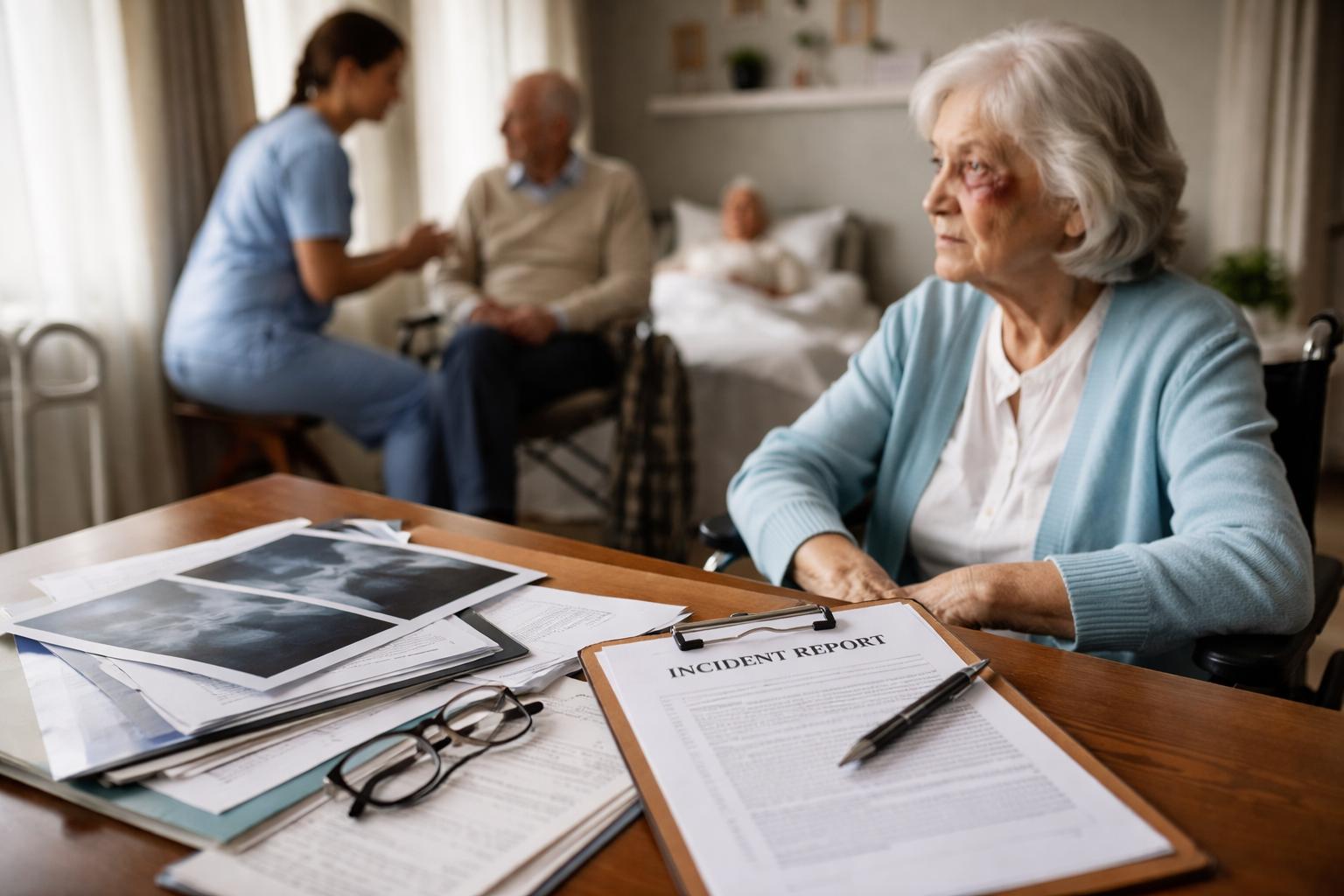
- Unexplained bruises or injuries
- Frequent falls without a clear explanation
- Bedsores or pressure injuries
- Sudden weight loss
- Dehydration
- Poor hygiene
- Untreated wounds
- Medication problems
- Injuries that don’t seem consistent with the explanation provided
Of course, older adults can bruise easily, and residents with medical conditions may experience falls or wounds for legitimate reasons. The concern grows when an injury is unexplained, repeatedly occurs, or isn’t receiving appropriate treatment.
Changes in Behavior Can Be Just as Important
Not every warning sign leaves a mark.
A resident who was previously talkative may suddenly become withdrawn. Someone who normally enjoyed family visits might become unusually anxious or frightened. A resident may become quiet whenever a particular caregiver enters the room.
Other changes can include:
- Sudden depression or anxiety
- Fear around certain staff members
- Unusual agitation
- Refusing to participate in activities
- Becoming unusually withdrawn
- Changes in sleeping habits
- Reluctance to speak privately with family
These changes can have many causes, including illness, dementia, medication changes, or emotional stress. That’s why families should avoid jumping to conclusions—but they shouldn’t ignore significant changes either.
Watch for Signs of Financial Exploitation
Abuse isn’t always physical.
New York’s resident-rights protections include safeguards for a resident’s property and money and protection from financial exploitation.
Families may want to pay attention to unexplained:
- Missing cash
- Missing belongings
- Unusual purchases
- Changes in financial documents
- Unfamiliar withdrawals
- Pressure to give money or possessions to someone
If something doesn’t make sense, keep records and ask questions.
What Should a Family Do If Something Seems Wrong?
Start documenting what you observe.
Write down:
What happened?
When did it happen?
Where did it happen?
Who was involved?
What explanation was provided?
Who did you notify?
What happened afterward?
Take photographs of visible injuries when appropriate and permitted. Keep copies of relevant medical records, messages, and correspondence.
Most importantly, don’t rely on memory alone. A written timeline can become extremely useful if the concern continues.
Speak With the Nursing Home
For a non-emergency concern, families can raise the issue with the appropriate staff member, nurse, social worker, administrator, or other responsible person at the facility.
Ask for a clear explanation.
If your loved one has a care plan, ask how the issue relates to that plan and what steps will be taken to address it.
New York requires nursing homes to have a responsive complaint process, and residents have the right to raise concerns without fear of retaliation.
When Should You Report a Concern?
If you believe a resident may be experiencing abuse, neglect, mistreatment, or another serious regulatory violation, you don’t have to handle the situation entirely on your own.
The New York State Department of Health investigates complaints involving nursing homes and regulatory violations. Its complaint page provides an online complaint form and lists the Nursing Home Complaint and Discharge Appeal Hotline at 1-888-201-4563, available 24 hours a day, seven days a week.
New York also has a Long Term Care Ombudsman Program that advocates for nursing home residents and can help with complaints and resident-rights concerns.
If someone is in immediate danger or needs urgent medical attention, seek emergency assistance rather than waiting for an administrative complaint process.
Residents Have Rights in New York
A nursing home resident does not lose their legal rights simply because they need assistance with daily living.
New York State says residents have rights including:
- Dignity and respect
- Quality care
- Privacy
- Choice in activities and schedules
- Visitors of their choosing
- Protection of personal property
- Freedom from abuse
- Freedom from inappropriate restraints
- The ability to make complaints
- Protection from reprisals for exercising their rights
That matters because families sometimes feel uncomfortable asking difficult questions. But asking questions about a loved one’s care isn’t being difficult. It’s part of being involved.
What Families Can Do During Visits
Regular visits can make it easier to notice changes.
Don’t just ask, “How are you?”
Ask specific questions:
“Are you getting your medications on time?”
“Are you comfortable?”
“Has anyone been treating you badly?”
“Are you eating and drinking enough?”
“Do you feel safe here?”
For residents who have difficulty communicating, pay attention to their appearance, mood, behavior, and surroundings.
And don’t be afraid to talk with the care team.
Frequently Asked Questions
What are common signs of nursing home neglect?
Unexplained injuries, poor hygiene, dehydration, malnutrition, untreated wounds, medication problems, repeated falls, and significant changes in a resident’s condition can be warning signs that deserve further investigation.
Does a bruise automatically mean nursing home abuse?
No. Older adults can bruise for many medical reasons. The important thing is whether the injury has a reasonable explanation and whether appropriate care was provided.
What should I do if I suspect abuse at a New York nursing home?
Document what you observe, notify the appropriate facility personnel, and consider contacting the New York State Department of Health or Long Term Care Ombudsman if the concern isn’t adequately addressed.
Can nursing home residents complain about their care?
Yes. New York residents have the right to use a complaint procedure and to exercise their rights without fear of retaliation.
Final Thoughts
When it comes to Amsterdam Nursing Home NY abuse and neglect concerns, families shouldn’t panic over every bruise or change in mood—but they also shouldn’t dismiss something that repeatedly feels wrong.
Pay attention to patterns. Ask questions. Keep records. Speak up when your loved one’s care doesn’t seem appropriate.
Most importantly, remember that residents have rights. New York law protects their dignity, safety, privacy, independence, and freedom from abuse and neglect