Dry Harbor Nursing Home NY: What Families Should Know About Resident Care and Rights
Choosing a nursing home for a parent, spouse, or another loved one is rarely a simple decision. Families want to know that the person they care about will receive appropriate medical attention, be treated with dignity, and have a voice in everyday decisions. For families considering Dry Harbor Nursing Home & Rehabilitation Center in Middle Village, Queens, understanding both the facility’s services and a resident’s legal rights is an important part of the process.
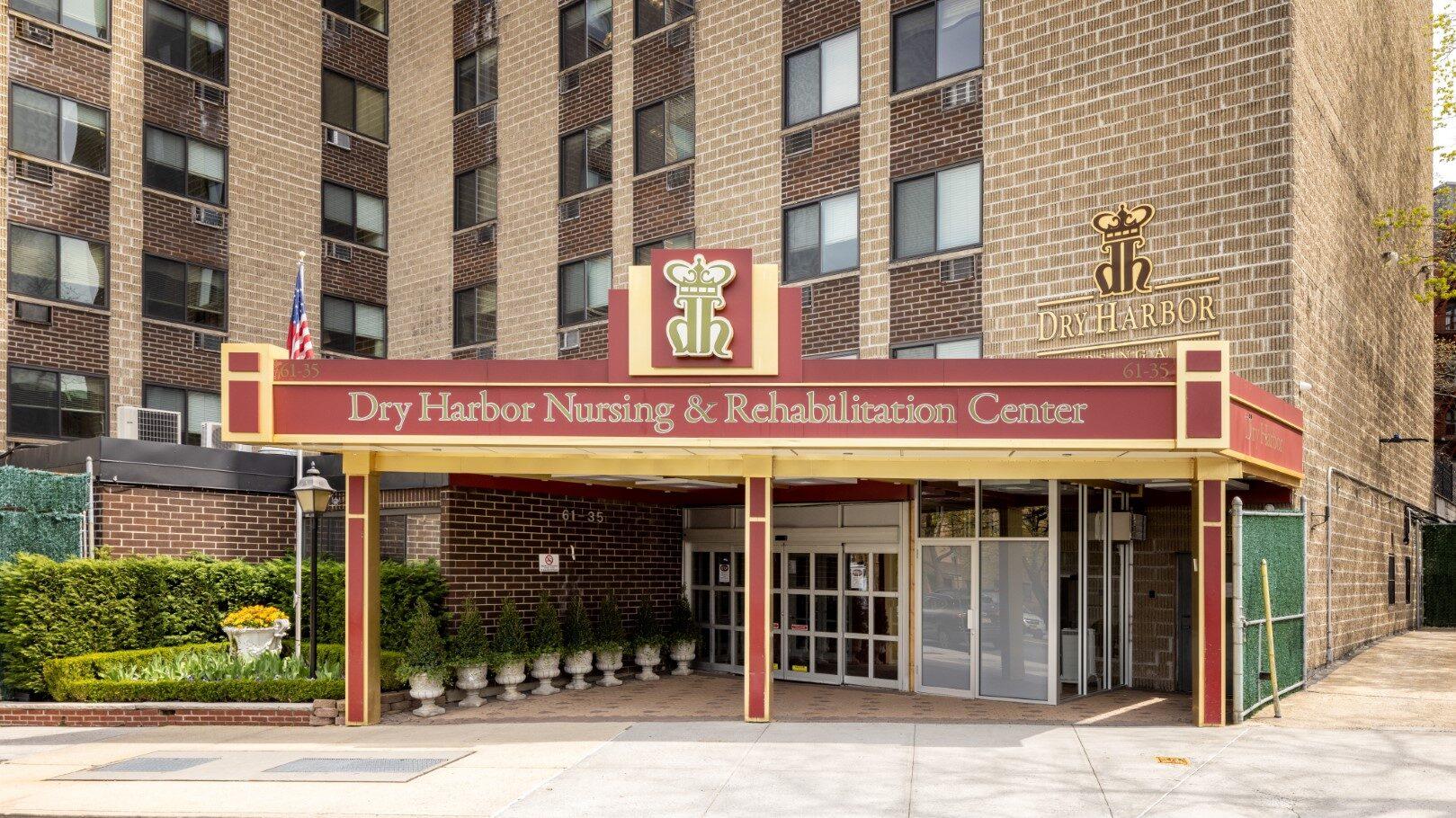
Dry Harbor Nursing Home & Rehabilitation Center is located at 61-35 Dry Harbor Road, Middle Village, NY 11379 and is a 360-bed facility certified for Medicare and Medicaid. The New York State Department of Health maintains an official profile with information about the facility, services, inspections, and resident advocacy resources.
What Kind of Care Does Dry Harbor Provide?
Dry Harbor describes itself as providing care for both short-term rehabilitation patients and long-term residents. Its services include nursing and medical care, rehabilitation therapies, nutritional services, and discharge planning.
For someone recovering after an illness, surgery, injury, or hospitalization, rehabilitation can be an important part of getting back home. For long-term residents, the focus can be very different, with ongoing assistance, medical supervision, daily activities, nutrition, and quality of life becoming more important.
Dry Harbor says that residents receive individualized care planning based on their needs and condition. Its admissions information states that new residents are evaluated after admission so a care plan can be developed around their goals and preferences.
Resident Care Should Be Individualized
A nursing home resident isn’t simply a room number or a diagnosis.
Good care should take into account the person’s medical needs, abilities, preferences, routines, communication style, nutrition, mobility, and personal goals.
Dry Harbor states that its departments—including nursing, rehabilitation, and nutrition—work together on individualized care plans. The facility also says nutritional requirements are monitored and updated as residents’ needs change.
Families can be helpful here. If your loved one has a particular routine, food preference, mobility concern, medication question, or communication need, make sure the care team knows about it.
Residents Have Important Rights
Living in a nursing home does not mean giving up basic rights.
Federal and New York nursing-home protections generally cover areas such as dignity, privacy, participation in care decisions, freedom from abuse and neglect, access to information, and the ability to raise concerns.
Residents should be treated respectfully and should have an opportunity to participate in decisions about their care.
Privacy is particularly important. Medical information, personal records, conversations with healthcare professionals, and other sensitive information should be handled appropriately.
Families should also understand that residents have the right to voice concerns without being treated unfairly simply because they made a complaint.
What If a Family Has a Concern?
Sometimes a concern is relatively small at first.
Maybe a family member notices that their loved one’s routine has changed, personal belongings are missing, meals aren’t being handled as expected, or communication with staff has become difficult.
It is worth raising concerns early rather than allowing frustration to build.
Start by speaking with the appropriate staff member or department. Keep notes about what happened, when it happened, who was contacted, and what response you received.
If the concern involves a resident’s rights, safety, neglect, abuse, or quality of care, families may also seek assistance outside the facility.
The Long-Term Care Ombudsman Can Help
New York’s Long Term Care Ombudsman Program provides advocacy for residents of nursing homes and other long-term care facilities.
According to the New York State Department of Health, ombudsmen help residents understand and exercise their rights, investigate and resolve complaints, and advocate for good care, dignity, and quality of life.
This can be especially helpful when a resident or family member isn’t sure where to turn after trying to address a concern directly with the facility.
Pay Attention to Care Planning
Care planning shouldn’t be something families think about only when a problem occurs.
Ask questions such as:
- What are my loved one’s current care needs?
- What assistance is needed with daily activities?
- What are the rehabilitation goals?
- What medications and treatments are being provided?
- How is nutrition being monitored?
- What changes should the family report?
- What is the plan for discharge, if the stay is short-term?
Dry Harbor says its short-term rehabilitation services include discharge planning to help patients transition back home when appropriate.
Families Should Review Quality Information
Before choosing or continuing care at any nursing home, families should review more than the facility’s own website.
New York State’s nursing-home profile provides official information about Dry Harbor, including its certification, capacity, services, and inspection information.
Federal Medicare information and inspection records can also provide useful information.
For example, publicly available inspection data shows that Dry Harbor has had cited deficiencies in past inspections, including findings related to resident rights and reporting suspected abuse, neglect, or theft. These findings should be considered in their proper context and reviewed alongside the facility’s current inspection and quality information rather than treated as a conclusion about current care.
That is exactly why families should look at current records and ask direct questions rather than relying on a single rating or review.
Visiting Can Tell You Things a Website Can’t
A tour can give families a very different perspective.
Dry Harbor encourages prospective residents and families to schedule a visit. Its website says tours can be arranged and lists regular visiting hours as daily from 9 AM to 7 PM, with possible extensions under certain circumstances.
During a visit, notice the little things.
Do staff members communicate respectfully with residents? Do residents appear engaged or isolated? Are common areas clean? Does someone answer your questions clearly? Do you feel comfortable asking difficult questions?
You don’t need to make a decision the moment you walk through the door.
Sometimes the best information comes from simply slowing down and observing.
What Should Families Ask Before Choosing a Nursing Home?
Consider asking:
Who will be responsible for my loved one’s care?
How often will the care plan be reviewed?
How are families notified about significant changes in condition?
How are complaints handled?
What rehabilitation services are available?
How is nutrition monitored?
What happens if we disagree with a care decision?
Who can we contact if we have a resident-rights concern?
Getting clear answers before admission can make communication much easier later.
Frequently Asked Questions
Is Dry Harbor Nursing Home in New York certified for Medicare and Medicaid?
Yes. The New York State Department of Health lists Dry Harbor Nursing Home as Medicare and Medicaid certified.
Does Dry Harbor provide short-term rehabilitation?
Yes. Dry Harbor describes services for short-term rehabilitation as well as long-term nursing-home residents.
Do nursing home residents have rights?
Yes. Nursing home residents have important federal and New York protections concerning dignity, privacy, participation in care, safety, and freedom from abuse and neglect.
Who can families contact about nursing home resident-rights concerns?
Families can begin with facility management or the appropriate care team. New York’s Long Term Care Ombudsman Program is also an independent advocacy resource that helps residents understand and exercise their rights and assists with complaints.
Final Thoughts
When you’re looking into Dry Harbor Nursing Home NY, don’t focus only on the building, room, or advertised services. Look at the bigger picture: individualized care, communication, resident dignity, safety, rehabilitation, nutrition, and the resident’s ability to participate in decisions.
Take time to visit, ask questions, review current inspection information, and understand your loved one’s rights.
Most importantly, remember that families don’t have to stay silent when something doesn’t seem right. A resident deserves to be treated with respect and to have concerns taken seriously.