Nursing Home Neglect in Queens NY: What Are Your Legal Rights?
Placing a parent, grandparent, or another loved one in a nursing home is supposed to bring some peace of mind. You expect them to receive proper meals, medication, assistance, hygiene care, and attention when something goes wrong. But when a family member starts losing weight, developing unexplained injuries, suffering repeated falls, or simply seems frightened or unusually withdrawn, it is natural to start asking questions. Nursing Home Neglect in Queens NY can take many forms, and New York residents and their families have important rights when a facility fails to provide appropriate care.
Neglect does not always look dramatic. Sometimes it is a bedsore that keeps getting worse. Sometimes medication is missed. Sometimes a resident who needs help getting out of bed is repeatedly left alone. Those details can become important when determining whether a nursing home failed to meet its legal and professional responsibilities.
What Is Nursing Home Neglect?
Nursing home neglect generally involves a facility or its employees failing to provide the care and attention a resident reasonably requires.
Unlike intentional abuse, neglect may not involve someone deliberately trying to hurt a resident. It can result from inadequate supervision, poor care practices, insufficient attention to a resident’s needs, or failures to follow an established care plan.
Examples can include:
- Failure to provide adequate food or water
- Medication errors or missed medications
- Failure to prevent or treat pressure sores
- Repeated falls caused by inadequate supervision
- Poor personal hygiene
- Failure to respond to medical changes
- Unsanitary living conditions
- Failure to provide appropriate mobility assistance
- Leaving residents unattended when they require supervision
- Failure to properly monitor residents with known medical conditions
New York’s Department of Health specifically evaluates nursing homes on issues such as hydration, nutrition, medication administration, pressure-sore prevention and treatment, and adequate supervision to prevent accidents.
Nursing Home Residents Have Legal Rights in New York
A nursing home resident does not give up their basic rights simply because they need long-term care.
New York’s Department of Health states that residents have the right to dignity and respect, quality care without discrimination, privacy, informed decision-making, protection of their property and money, visitors of their choosing, and a responsive complaint process. Residents also have the right to be free from physical, verbal, sexual, and mental abuse and from restraints.
That means a family should not feel that they have to accept poor treatment simply because their loved one lives in a nursing home.
What Are Some Warning Signs of Neglect?
Sometimes the first sign is something small that does not seem right.
Maybe your loved one’s clothes are repeatedly dirty when you visit. Maybe they have unexplained bruises. Perhaps their room is unusually unsanitary. Maybe they have lost a noticeable amount of weight or seem dehydrated.
Other warning signs can include:
Unexplained Injuries
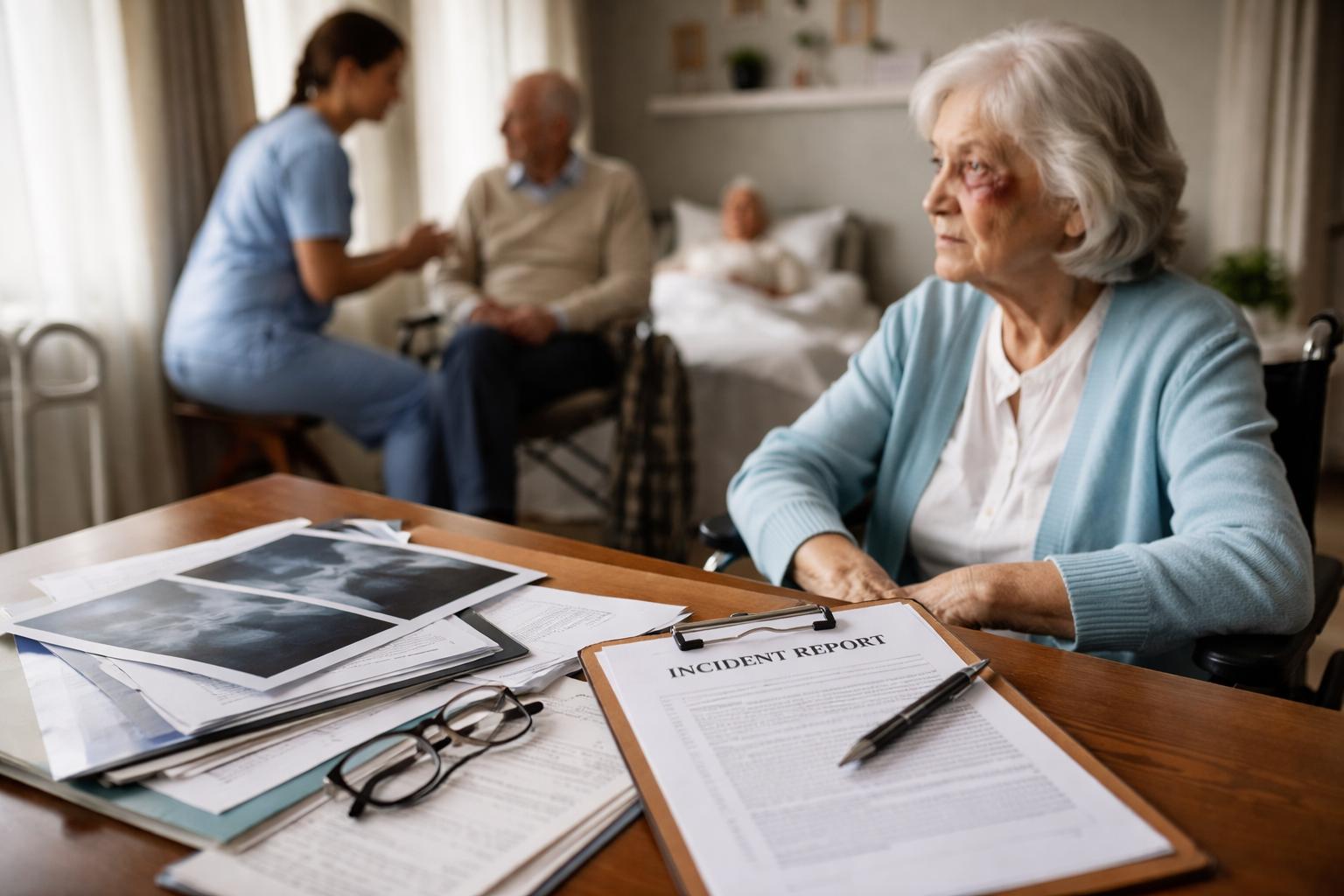
Repeated falls, bruises, cuts, burns, or other injuries can warrant closer attention, particularly when staff cannot provide a clear explanation.
Pressure Sores
Bedsores or pressure ulcers can develop when residents with limited mobility are not properly repositioned, monitored, nourished, or treated.
Sudden Weight Loss
Unexplained weight loss may raise questions about whether a resident is receiving enough food, assistance with eating, or appropriate medical attention.
Medication Problems
Missed medications, incorrect dosages, or unexplained changes in medication can be serious, especially for residents who rely on medication to manage chronic conditions.
Poor Hygiene
A resident who regularly appears unwashed, has dirty clothing, or is not receiving necessary assistance with toileting may not be receiving appropriate care.
Behavioral Changes
A normally talkative resident becoming unusually quiet, anxious, frightened, or withdrawn can be another reason for family members to pay attention.
None of these signs automatically proves legal neglect. But they should not simply be brushed aside.
What Should You Do If You Suspect Neglect?
Your first concern should be the resident’s immediate safety.
If your loved one needs urgent medical attention, seek emergency medical care rather than waiting for an investigation.
After addressing immediate safety, start documenting what you are seeing.
Write down:
- Dates and times of concerning incidents
- Names of staff members involved
- What your loved one told you
- Physical injuries or changes you observed
- Changes in weight or behavior
- Medication concerns
- Conversations with facility administrators
- Medical treatment received
- Photographs of visible injuries, when appropriate
Save emails, letters, text messages, care-plan documents, medical records, photographs, and other relevant information.
You do not need to know exactly what happened before you begin keeping records.
You Have the Right to Make a Complaint
New York provides a formal process for reporting concerns about nursing home care.
The New York State Department of Health’s Centralized Complaint Intake Unit reviews nursing home complaints and incidents. Depending on the circumstances, investigators may interview people, review medical and facility records, and conduct an onsite investigation. If the Department determines that a facility violated applicable requirements, it can issue a citation and require the facility to submit a plan of correction.
The state nursing home complaint hotline is 1-888-201-4563. The Department also provides information about submitting nursing home complaints.
You can also contact the Long-Term Care Ombudsman Program. Ombudsmen advocate for residents and can help investigate and resolve complaints.
What If the Nursing Home Tries to Ignore Your Complaint?
This is where documentation becomes especially useful.
You can make your concerns in writing and keep a copy. Ask the facility what steps it plans to take to address the problem.
New York residents have the right to voice grievances and complaints about their care without discrimination or fear of punishment. The state also recognizes a resident’s right to contact an ombudsman or another organization providing health, social, legal, or advocacy services.
If the facility does not adequately respond, you can escalate the concern to the appropriate state authorities and consider speaking with an attorney experienced in nursing home negligence.
Can You Sue a Nursing Home for Neglect in Queens?
Potentially, yes.
A nursing home may face civil liability when its negligence or other legally actionable conduct causes harm to a resident. Depending on the facts, a claim could involve the facility itself, individual employees, medical professionals, or other responsible parties.
The exact legal theory depends on what happened and how the injury occurred.
For example, a case involving a resident who suffered a serious injury after inadequate supervision may be very different from a case involving medication errors or untreated pressure ulcers.
That is why having the facts reviewed by a New York attorney can be important before deciding what legal action is appropriate.
What Damages Can a Nursing Home Neglect Claim Involve?
The potential damages depend on the circumstances and the injuries involved.
A claim may potentially seek compensation for things such as:
- Medical expenses
- Hospital treatment
- Rehabilitation
- Additional care requirements
- Physical pain and suffering
- Emotional distress, where legally recoverable
- Other losses caused by the neglect
In cases involving a resident’s death, additional legal claims may potentially be available to eligible family members or the estate.
The amount and types of damages available depend heavily on the facts and applicable New York law.
Keep Your Loved One’s Medical Records
Medical records can become particularly important in a neglect case.
New York residents have rights concerning access to their records, and the state’s nursing home rights materials specifically recognize the right to examine and obtain copies of records at a reasonable cost.
If you suspect neglect, records may help establish what your loved one’s condition was before an incident and what happened afterward.
Ask for records relating to:
- Physician visits
- Nursing notes
- Medication administration
- Care plans
- Fall reports
- Pressure ulcers
- Weight changes
- Nutrition and hydration
- Hospitalizations
- Incident reports
Do not assume the facility will automatically provide every document you might eventually need. Ask questions and keep copies of the records you receive.
What If the Nursing Home Threatens Discharge?
Families sometimes worry that complaining about care could cause the nursing home to retaliate by trying to remove their loved one.
New York provides residents with protections concerning transfers and discharges. In many situations, residents are entitled to advance notice and have the right to appeal an involuntary transfer or discharge to the New York State Department of Health. The state says appeals generally must be filed within 60 days after receiving the transfer or discharge notice.
If your loved one receives a discharge notice, do not simply put it aside.
Read it carefully and consider getting legal advice promptly, particularly if you believe the discharge is connected to a complaint about care.
When Should You Talk to a Nursing Home Neglect Lawyer?
You do not necessarily need to wait until you have undeniable proof of neglect before speaking with an attorney.
Consider getting legal advice if:
- Your loved one suffered a serious injury
- There are repeated unexplained injuries
- The facility refuses to explain what happened
- Medical records raise concerns
- Your loved one developed serious pressure sores
- Medication errors caused harm
- A resident suffered a fall with significant injuries
- You suspect abuse as well as neglect
- The resident died following suspected neglect
- The facility is threatening discharge after a complaint
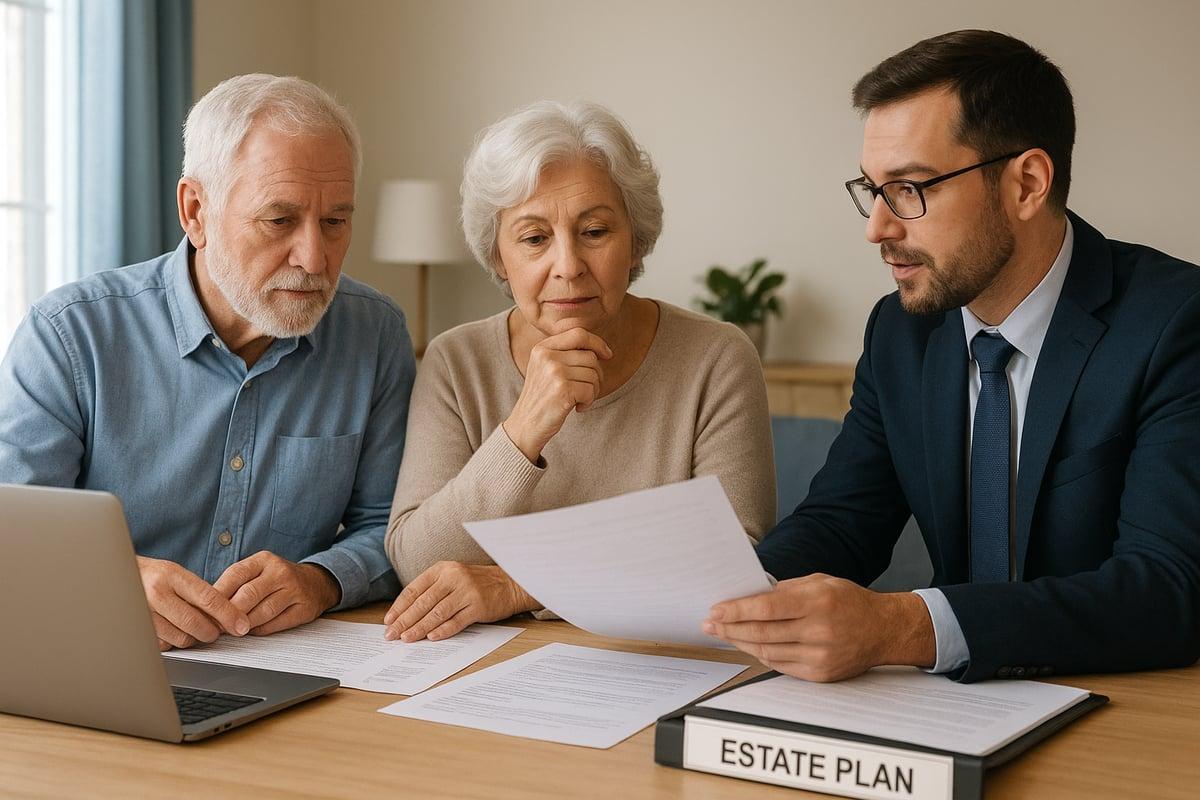
An attorney can review the circumstances, identify potentially responsible parties, preserve evidence, and explain what legal options may be available.
Frequently Asked Questions
Q1: What is considered nursing home neglect in New York?
A: Neglect can involve failing to provide appropriate care, supervision, nutrition, hydration, medication management, hygiene, medical attention, or other services a resident needs. Whether a specific situation legally constitutes negligence depends on the facts.
Q2: How do I report nursing home neglect in Queens?
A: You can report concerns to the New York State Department of Health’s nursing home complaint system. The state’s nursing home complaint hotline is 1-888-201-4563. You can also contact the Long-Term Care Ombudsman Program for resident advocacy.
Q3: Can a family member sue a nursing home for neglect?
A: Potentially. The appropriate person to bring a claim depends on the resident’s circumstances, legal capacity, the nature of the injury, and whether the resident is living or deceased. A New York attorney can explain who may have standing to bring a particular claim.
Q4: What evidence is useful in a nursing home neglect case?
A: Medical records, photographs, care plans, medication records, incident reports, staff communications, witness information, facility complaints, and documentation of injuries or changes in the resident’s condition can all potentially be important.
Final Thoughts
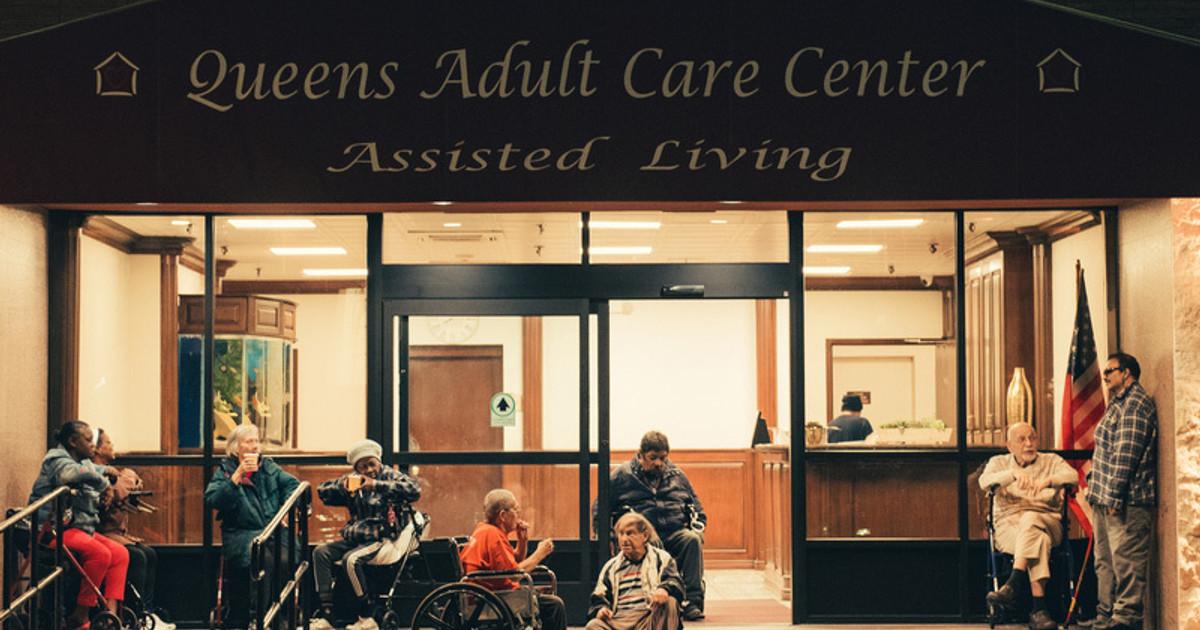
When you place someone you love in a Queens nursing home, you should not have to wonder whether they are receiving basic care and respect. New York law gives nursing home residents important protections, including the right to quality care, dignity, privacy, freedom from abuse and restraints, and the ability to complain without fear of retaliation.
If something feels wrong, pay attention to that feeling. Document what you see, ask questions, report serious concerns, and consider getting legal advice when your loved one’s health or safety has been harmed.
A nursing home resident may need help with daily life, but that does not mean they lose their voice—or their legal rights.