New York Wrongful Death Laws: Who Can File a Claim?
Losing a loved one because of another person’s negligence or wrongful conduct can be devastating. Families are often left dealing with grief, medical bills, funeral expenses, and financial uncertainty at the same time. In New York, a wrongful death claim can provide a legal way to seek compensation, but not every family member can personally file the lawsuit.
New York law generally requires the wrongful death action to be brought by the personal representative of the deceased person’s estate. The action is brought for the benefit of the deceased person’s eligible distributees, such as surviving family members who may have suffered financial loss because of the death.
Understanding who has the legal authority to bring the claim is an important first step.
What Is a Wrongful Death Claim in New York?
A wrongful death claim may arise when a person’s death is caused by another party’s wrongful act, neglect, or default.
Potential situations can include:
- Car and truck accidents
- Medical malpractice
- Nursing home negligence or abuse
- Workplace accidents
- Dangerous property conditions
- Defective products
- Construction accidents
- Other acts of negligence
Under New York Estates, Powers and Trusts Law § 5-4.1, a personal representative may maintain an action when the decedent’s death was caused by wrongful conduct that would have supported a claim if the person had survived.
Who Can File a Wrongful Death Lawsuit?
This is where New York’s law can be different from what families sometimes expect.
The Personal Representative Files the Lawsuit
Generally, the personal representative of the deceased person’s estate is the person who has authority to bring the wrongful death action.
A personal representative can be an executor or administrator who has been legally appointed to represent the estate. New York courts have emphasized that the personal representative is the party authorized to bring these causes of action.
So, for example, a surviving spouse may potentially benefit from a wrongful death claim, but that does not necessarily mean the spouse can simply file the lawsuit individually.
The estate’s representative generally needs the proper legal authority.
What If the Deceased Had a Spouse?
A surviving husband or wife may be one of the people who can benefit from a wrongful death recovery.
However, the spouse does not automatically become the person who files the lawsuit simply because they are married to the deceased.
The personal representative generally brings the action on behalf of the people legally entitled to benefit from it.
What About Children?
Children may also be eligible beneficiaries depending on the circumstances.
For example, if a parent dies because of another party’s negligence, surviving children may have a potential claim for qualifying financial losses resulting from the death.
New York’s wrongful death statute refers to the decedent’s distributees, and New York law separately addresses issues involving non-marital children.
The exact people who qualify and the damages they may receive depend on the family’s circumstances.
Can Parents File a Wrongful Death Claim?
Parents can potentially be among the beneficiaries of a wrongful death claim, depending on the circumstances of the deceased person and the applicable rules of New York law.
However, being a parent does not automatically mean that the parent personally has authority to commence the lawsuit.
The distinction between who benefits from the claim and who has legal authority to file it is important.
What If There Is No Executor?
If the deceased did not leave an executor who is willing to pursue the claim, New York law provides a mechanism for an administrator to be appointed.
EPTL § 5-4.1 specifically provides that when distributees do not participate in administration under a will and the appointed executor refuses to bring the wrongful death action, the distributees can have an administrator appointed to prosecute the action for their benefit.
This can become particularly important when family members disagree about whether legal action should be taken.
What Must Be Proven in a New York Wrongful Death Case?
A wrongful death case generally requires more than showing that someone died.
New York courts identify several essential elements, including:
- A human being died.
- The defendant committed a wrongful act, neglect, or default that caused the death.
- Eligible distributees survived and suffered qualifying financial loss.
- A personal representative was appointed.
The facts of the case determine whether these requirements can be established.
For example, if a family believes a hospital made a medical error, there may need to be evidence connecting the alleged negligence to the death.
Similarly, in a car accident case, evidence may be needed to establish that another driver’s conduct caused the fatal crash.
What Damages Can a Family Recover?
Wrongful death damages in New York are governed by specific statutory rules.
Potential damages can include qualifying pecuniary losses, which generally involve financial losses suffered by the people entitled to recover.
Depending on the circumstances, damages may involve:
- Lost financial support
- Loss of services
- Certain medical expenses
- Funeral expenses
- Other legally recognized financial losses
New York law also provides a separate cause of action for certain damages arising from injuries the deceased suffered before death.
It’s important not to assume that every type of emotional or financial harm is automatically recoverable. The categories of damages available under New York law are specific.
What Happens to a Personal Injury Claim if the Victim Dies?
Sometimes a person survives an accident for a period of time and later dies from their injuries.
That situation can involve both a wrongful death claim and a claim belonging to the estate for the decedent’s own injuries.
New York law provides that certain personal injury causes of action survive the person’s death and can be brought or continued by the personal representative.
The two claims should not automatically be treated as identical because they can involve different damages and legal issues.
How Long Do You Have to File a Wrongful Death Claim in New York?
Under the current text of New York EPTL § 5-4.1, a wrongful death action generally must be commenced within two years after the decedent’s death.
However, there are important exceptions and special rules.
For example, claims involving government entities can have additional notice requirements and different procedures. New York law contains separate rules for certain claims against municipalities and public authorities.
There are also proposed bills that would change New York’s wrongful death rules, including legislation that would extend the general period from two years to three years. Those proposals should not be confused with current law unless and until they are enacted.
Because missing a deadline can seriously affect a claim, families should speak with an attorney promptly rather than relying on a general deadline.
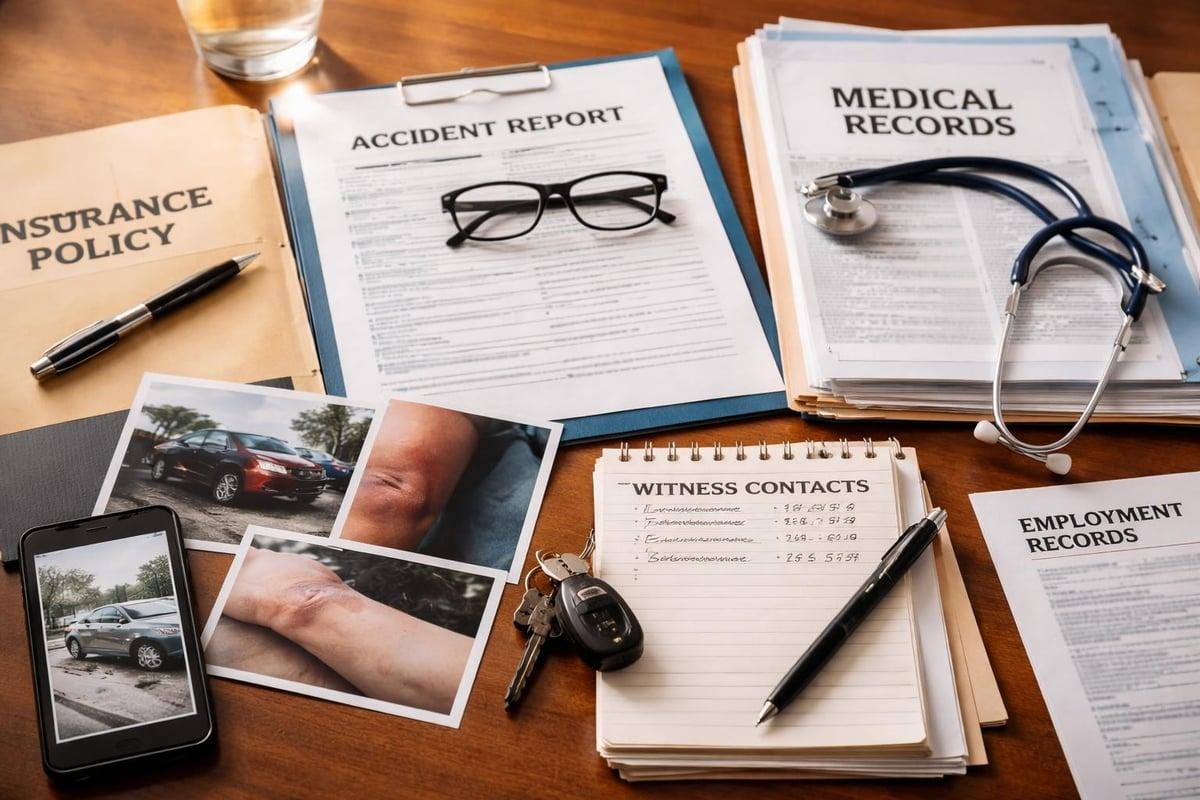
What Evidence Can Help a Wrongful Death Case?
Evidence can become extremely important after a fatal accident.
Depending on the circumstances, useful evidence may include:
Medical Records
Hospital records, medical reports, treatment records, and other documentation can help establish what happened before death.
Accident Reports
Police reports, workplace reports, incident reports, and other official documents can provide important information about the event.
Photographs and Videos
Photos of a vehicle, accident scene, property condition, or other evidence may help establish what happened.
Witness Statements
People who saw the accident or events leading up to it may provide valuable information.
Financial Records
Pay stubs, tax documents, employment records, and other financial information may be relevant when calculating qualifying financial losses.
Expert Testimony
Some cases require experts to explain medical issues, accident reconstruction, engineering, economics, or other technical matters.
What Should a Family Do After a Wrongful Death?
There is no single checklist that applies to every situation, but several practical steps can help protect important evidence.
1. Obtain important records.
Keep medical, accident, employment, and financial documents.
2. Preserve photographs and videos.
Don’t delete potentially relevant digital evidence.
3. Identify witnesses.
Write down contact information for people who may have knowledge of the incident.
4. Avoid posting details publicly.
Social media posts can potentially become part of a legal dispute.
5. Determine who represents the estate.
The person bringing the lawsuit generally needs appropriate legal authority.
6. Speak with a qualified New York wrongful death attorney.
A lawyer can review the circumstances and determine what claims and deadlines may apply.
Frequently Asked Questions
1. Who can file a wrongful death lawsuit in New York?
Generally, the personal representative of the deceased person’s estate brings the wrongful death action. The claim is pursued for the benefit of eligible distributees.
2. Can a spouse personally sue for wrongful death?
A spouse may be an eligible beneficiary, but the wrongful death action generally must be brought by the properly appointed personal representative of the estate.
3. Can children receive money from a wrongful death claim?
Potentially, yes. Children can be among the eligible distributees depending on the circumstances and applicable New York law. The amount and type of recovery depend on legally recognized losses.
4. How long do you have to file a wrongful death lawsuit in New York?
Under the current statute, a wrongful death action generally must be commenced within two years after the person’s death, although exceptions and special rules can apply.
5. What if the executor refuses to file the case?
New York law provides a process under which eligible distributees can seek appointment of an administrator to prosecute the action when an executor refuses to do so.
Final Thoughts
New York wrongful death law can be complicated, especially because the person who benefits from a claim isn’t necessarily the person who has authority to file it.
Generally, the personal representative of the deceased person’s estate brings the wrongful death action for the benefit of eligible distributees. Spouses, children, parents, and other relatives may potentially have an interest depending on the circumstances.
The two-year general filing period under current New York law also makes timing important. Government defendants and other special circumstances can involve different requirements.
If your family has lost someone because of suspected negligence or wrongful conduct, getting legal advice early can help you understand who has standing, what damages may be available, and which deadlines apply.