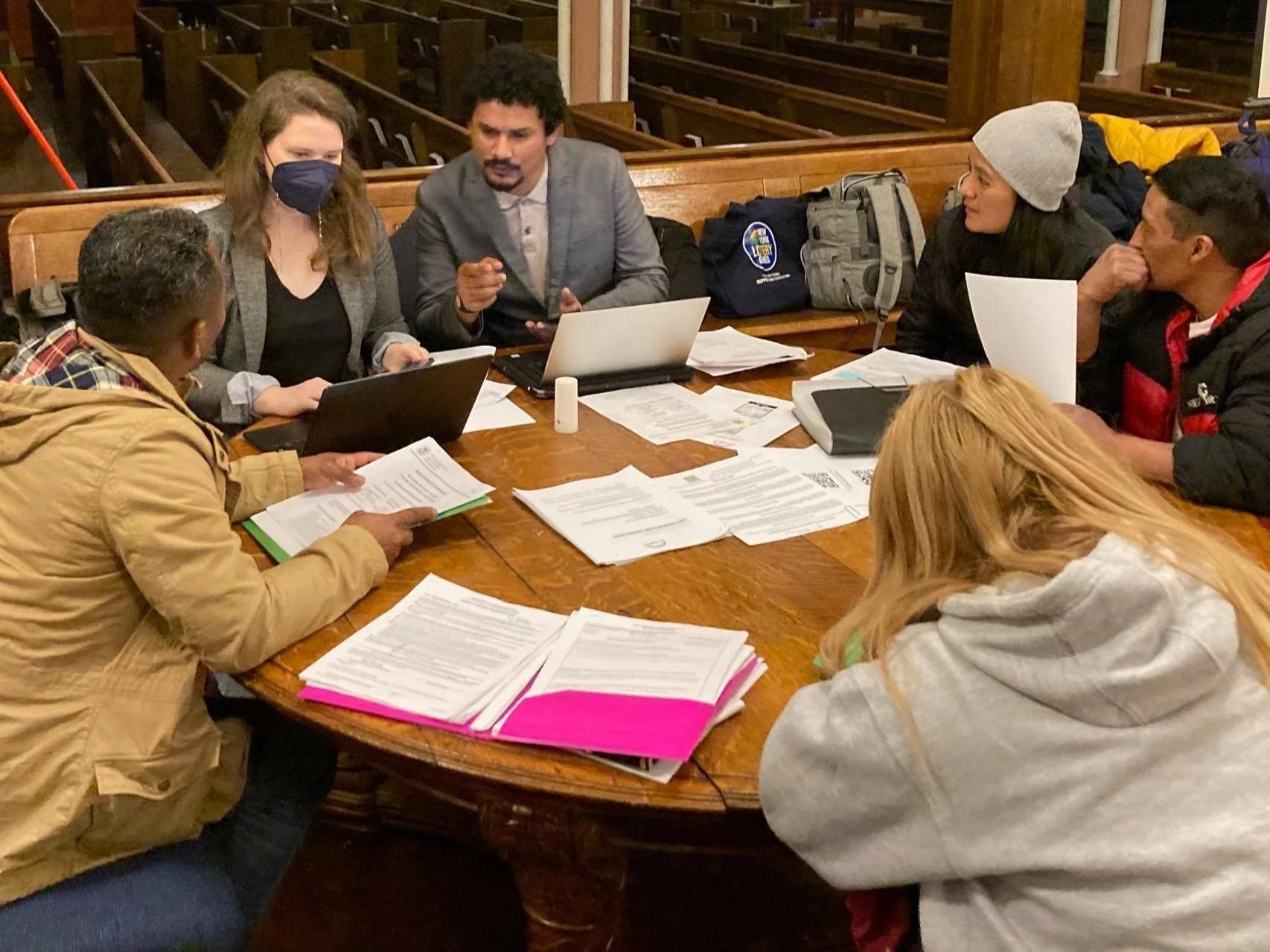
New York Criminal Defense Laws: What You Should Know
Being arrested or accused of a crime in New York can be frightening, especially when you don’t know what happens next. A criminal case can involve an arrest, arraignment, bail, discovery, negotiations with prosecutors, hearings, and possibly a trial.
New York criminal law is also detailed. The rules can be different depending on whether someone is accused of a violation, misdemeanor, or felony. The potential consequences can extend beyond jail or fines and may affect employment, professional licenses, immigration status, driving privileges, and other parts of life.
Understanding some basic New York criminal defense laws can help you make better decisions if you or someone close to you is facing criminal charges.
You Have the Right to an Attorney
One of the most important rights in a New York criminal case is the right to legal representation.
At arraignment, the court explains the charges and the defendant’s rights, including the right to an attorney. If a defendant cannot afford to hire a lawyer, the court can appoint an attorney to represent them.
That doesn’t mean you should wait until the case becomes complicated before asking for legal help.
A defense attorney can examine the charges, review evidence, communicate with prosecutors, explain possible outcomes, and identify potential defenses.
What Happens at Arraignment?
Arraignment is generally the first formal court proceeding after a criminal case begins.
The judge advises the defendant of the charges and applicable rights. The defendant may enter a plea, commonly guilty or not guilty. If the defendant pleads not guilty, the case generally continues into the pretrial process.
Arraignment can also be important because the court may determine whether the defendant will be released, placed under non-monetary conditions, or required to post bail when legally permitted.
This is why having a defense attorney involved early can matter.
Bail Is Not Automatic in Every Case
People sometimes assume that anyone arrested in New York automatically has to pay bail.
That’s not how every case works.
Depending on the charge and applicable law, a judge may release a defendant on their own recognizance, impose non-monetary conditions, or set bail. New York Courts explains that bail and release decisions are generally addressed during arraignment.
The rules surrounding bail can be complicated, particularly for certain qualifying offenses.
If someone is being held, their defense lawyer can argue for appropriate release conditions.
Don’t Assume an Arrest Means You Are Guilty
An arrest is not the same thing as a conviction.
A person can be arrested, charged, and ultimately found not guilty or have the charges dismissed.
The prosecution still has to establish the case according to the applicable legal standards.
This is one reason defendants should avoid making decisions based purely on fear. Understanding the actual charges and available defenses is much more useful than assuming the worst immediately.
Discovery Is an Important Part of the Defense
Discovery refers to the information and evidence exchanged during the criminal case.
New York’s Criminal Procedure Law Article 245 provides for automatic discovery and establishes deadlines for prosecutors to provide required materials to the defense.
Depending on the case, discovery may include things such as:
- Police reports
- Witness information
- Video footage
- Photographs
- Statements
- Physical evidence
- Documents
- Forensic evidence
- Other information relevant to the prosecution
A defense lawyer reviews this material to understand what the prosecution actually has rather than relying only on the allegations.
Body Camera and Video Evidence Can Matter
Many criminal cases now involve video.
Police body-camera footage, surveillance footage, phone recordings, photographs, and other digital evidence can potentially become important parts of a defense.
The existence of video doesn’t automatically mean it helps either side.
Sometimes footage supports the prosecution’s version of events. Sometimes it contradicts a report or creates questions about what actually happened.
That’s why reviewing the complete evidence can be important rather than relying on a short clip or description.
You May Have a Speedy Trial Right
New York law provides statutory speedy-trial protections under Criminal Procedure Law § 30.30, although the calculation can be complicated because certain periods of delay may be excluded.
The amount of time involved depends partly on the level and type of offense.
A speedy-trial issue isn’t simply a matter of counting calendar days from the arrest.
Your attorney may need to examine court appearances, adjournments, prosecution readiness, motions, and other events to determine what time actually counts under the law.
Plea Bargaining Is Common
Not every criminal case goes to trial.
During a criminal case, the defense and prosecution may negotiate a plea agreement. New York Courts identifies plea bargaining as one of the things that can occur around the arraignment and pretrial process.
A plea agreement may involve a reduced charge or an agreed-upon sentence, depending on the circumstances.
But accepting a plea is a major decision.
A defendant should understand the consequences before agreeing to anything.
Felony Charges Are More Serious
New York generally divides crimes into different categories, including violations, misdemeanors, and felonies.
Felony charges can carry significantly more serious consequences than misdemeanor charges.
A felony conviction may potentially affect:
- Employment
- Professional licenses
- Housing
- Education
- Firearm rights
- Immigration status
- Future criminal cases
The exact consequences depend on the offense and the person’s circumstances.
If you are facing a felony charge, getting qualified legal representation as early as possible can be extremely important.
Misdemeanors Can Still Have Serious Consequences
A misdemeanor may sound less serious than a felony, but that doesn’t mean it should be ignored.
A conviction can still result in jail, probation, fines, a criminal record, and other consequences depending on the offense.
Some misdemeanor cases can also affect immigration status, professional licensing, or employment.
Don’t decide that a case isn’t worth defending simply because the charge isn’t a felony.
Your Defense May Challenge the Evidence
A criminal defense attorney doesn’t simply argue that the defendant is innocent.
Depending on the circumstances, the defense may challenge:
- Whether police had legal grounds for a search
- Whether evidence was properly obtained
- Witness credibility
- Identification evidence
- Statements made to police
- The chain of custody
- The accuracy of forensic evidence
- Whether the prosecution can prove every required element of the offense
New York courts continue to address issues involving constitutional rights, suppression of evidence, and effective assistance of counsel in criminal cases.
Be Careful About Talking About Your Case
If you’re accused of a crime, think carefully before discussing the details with other people or posting about the case online.
Messages, social media posts, photographs, and recordings can potentially become relevant evidence.
Your attorney needs to know the facts, including uncomfortable ones.
But discussing your case casually with friends or posting about it publicly is very different from having a confidential conversation with your lawyer.
Immigration Consequences Can Be Especially Important
A criminal charge can have immigration consequences for noncitizens.
A plea that appears relatively minor from a criminal-law perspective can sometimes create immigration problems.
This is particularly important for green card holders, visa holders, asylum applicants, DACA recipients, and other noncitizens.
If you’re not a U.S. citizen and you’re facing criminal charges, make sure your criminal defense attorney understands your immigration situation. In some cases, consultation with an immigration attorney may also be appropriate.
What Should You Do After an Arrest?
If you’ve been arrested or charged with a crime, some practical steps can help:
- Find out exactly what you have been charged with.
- Ask for an attorney.
- Don’t guess about court dates.
- Keep every document you receive.
- Follow your attorney’s instructions.
- Don’t discuss the case publicly.
- Don’t ignore future court appearances.
- Tell your lawyer about previous arrests or convictions.
- Explain any immigration concerns immediately.
- Keep copies of relevant evidence and communications.
New York Courts emphasizes that defendants released after arraignment must appear at future court dates; failing to appear can lead to a warrant and potentially other consequences.
When Should You Hire a Criminal Defense Attorney?
The sooner you understand your legal position, the better.
You should strongly consider speaking with a criminal defense attorney if you:
- Have been arrested
- Received a criminal summons
- Are facing misdemeanor charges
- Are facing felony charges
- Have been contacted by investigators
- Have received a grand jury or court notice
- Are being investigated for a crime
- Have a prior criminal record
- Are a noncitizen facing criminal charges
- Believe evidence was obtained illegally
Even when you believe the situation is straightforward, an attorney can explain what the charge actually means and what options may be available.
Frequently Asked Questions
1. Do I have to hire a private criminal defense lawyer in New York?
No. If you qualify financially, the court can appoint an attorney to represent you. New York Courts confirms that defendants who cannot afford counsel have the right to appointed representation.
2. What happens at a New York criminal arraignment?
The court generally advises you of the charges and your rights, takes a plea, and addresses release or bail when applicable. The case then moves into the next stage if it is not resolved at arraignment.
3. Can criminal charges be dismissed?
Potentially. The outcome depends on the facts, evidence, procedural issues, applicable law, and other circumstances. A dismissal is not guaranteed simply because someone has hired an attorney.
4. What is discovery in a criminal case?
Discovery is the process through which the prosecution provides required evidence and information to the defense. New York’s Criminal Procedure Law Article 245 provides automatic discovery requirements and deadlines.
5. Can a criminal charge affect my immigration status?
Yes. Certain convictions and even particular plea agreements can have immigration consequences. Noncitizens should discuss immigration concerns with qualified legal counsel before accepting a plea.
Final Thoughts
Facing criminal charges in New York can be stressful, but an accusation is not the same as a conviction.
Understanding your rights, getting legal advice early, keeping track of court dates, and allowing your attorney to review the evidence can make a significant difference in how you approach the case.
New York criminal procedure involves many technical rules, from arraignment and bail to discovery and speedy-trial requirements. What happens in one case may not be the same in another.
If you or someone close to you is facing criminal charges, speak with a qualified New York criminal defense attorney about the specific circumstances.